Rylands Mill - Wigan
28DaysLater Report - https://www.28dayslater.co.uk/threads/rylands-mill-wigan-march-2026.150685/
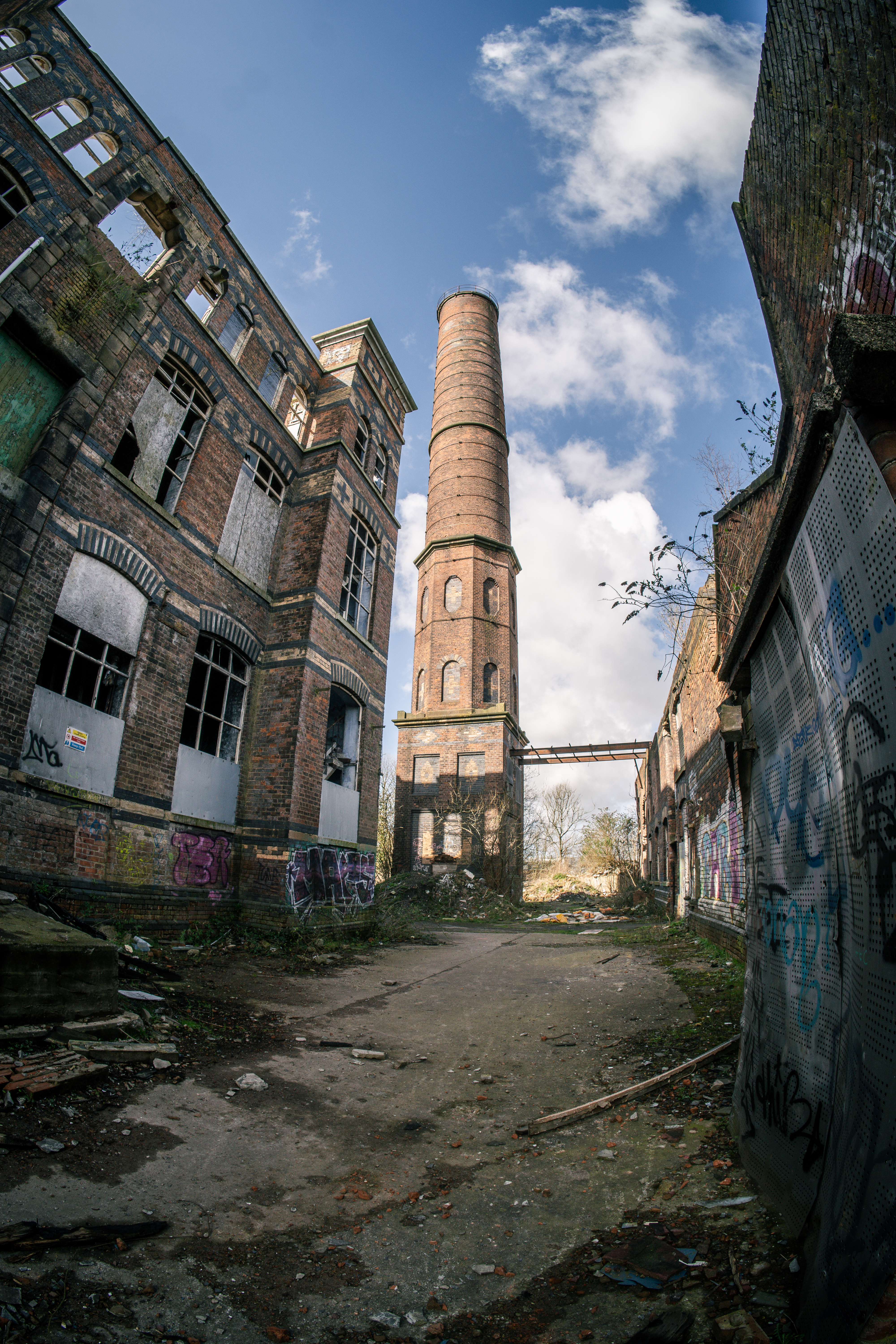
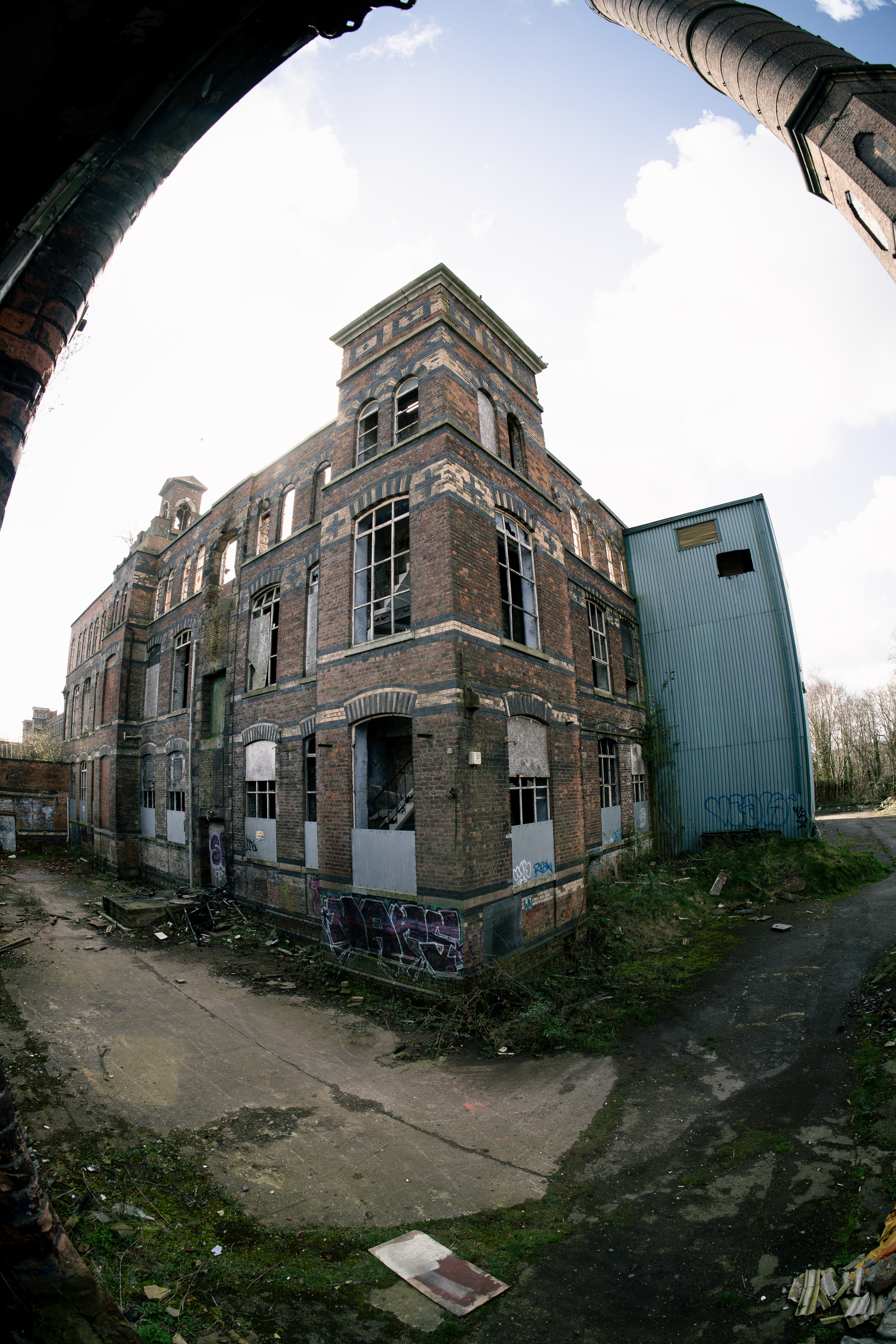
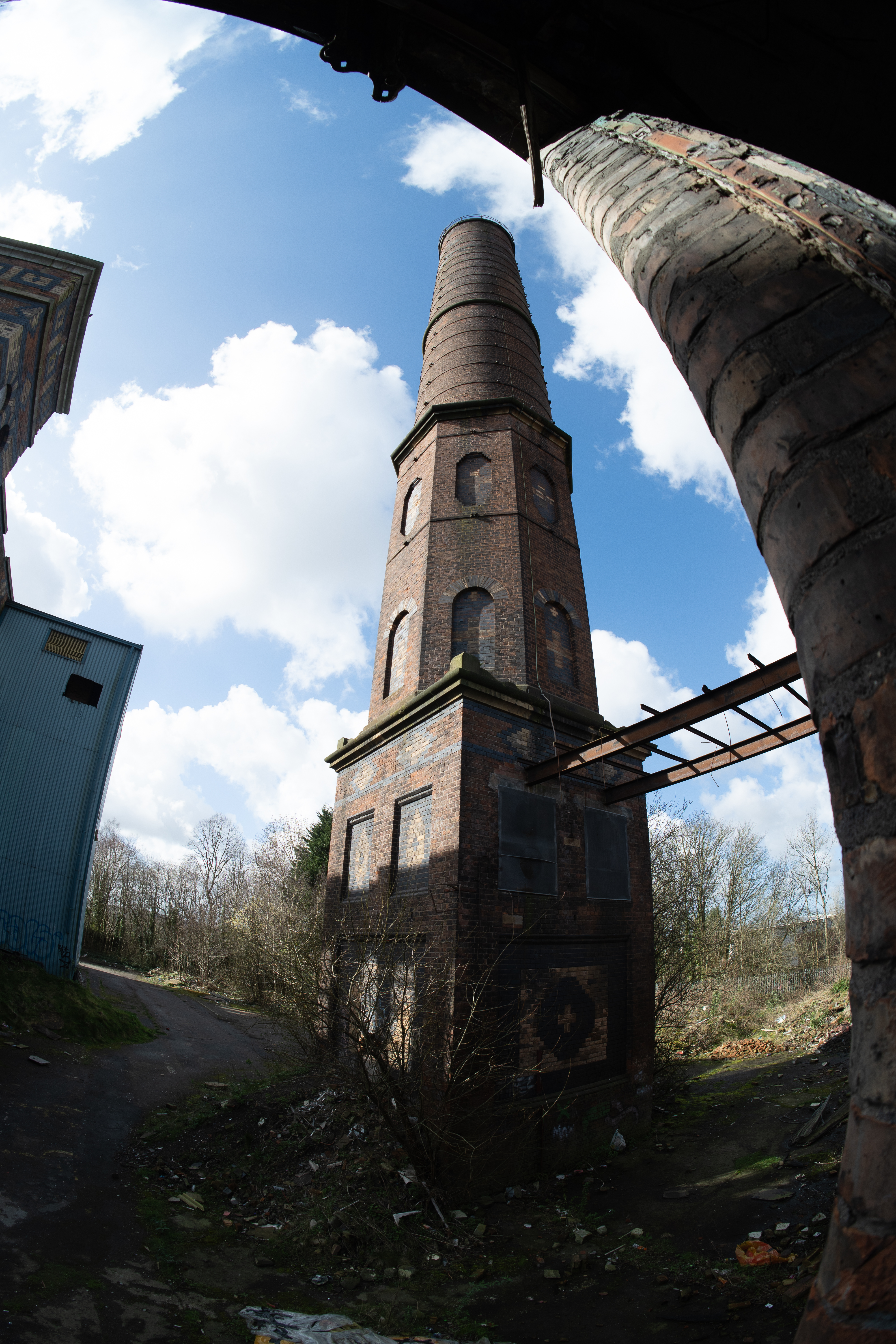
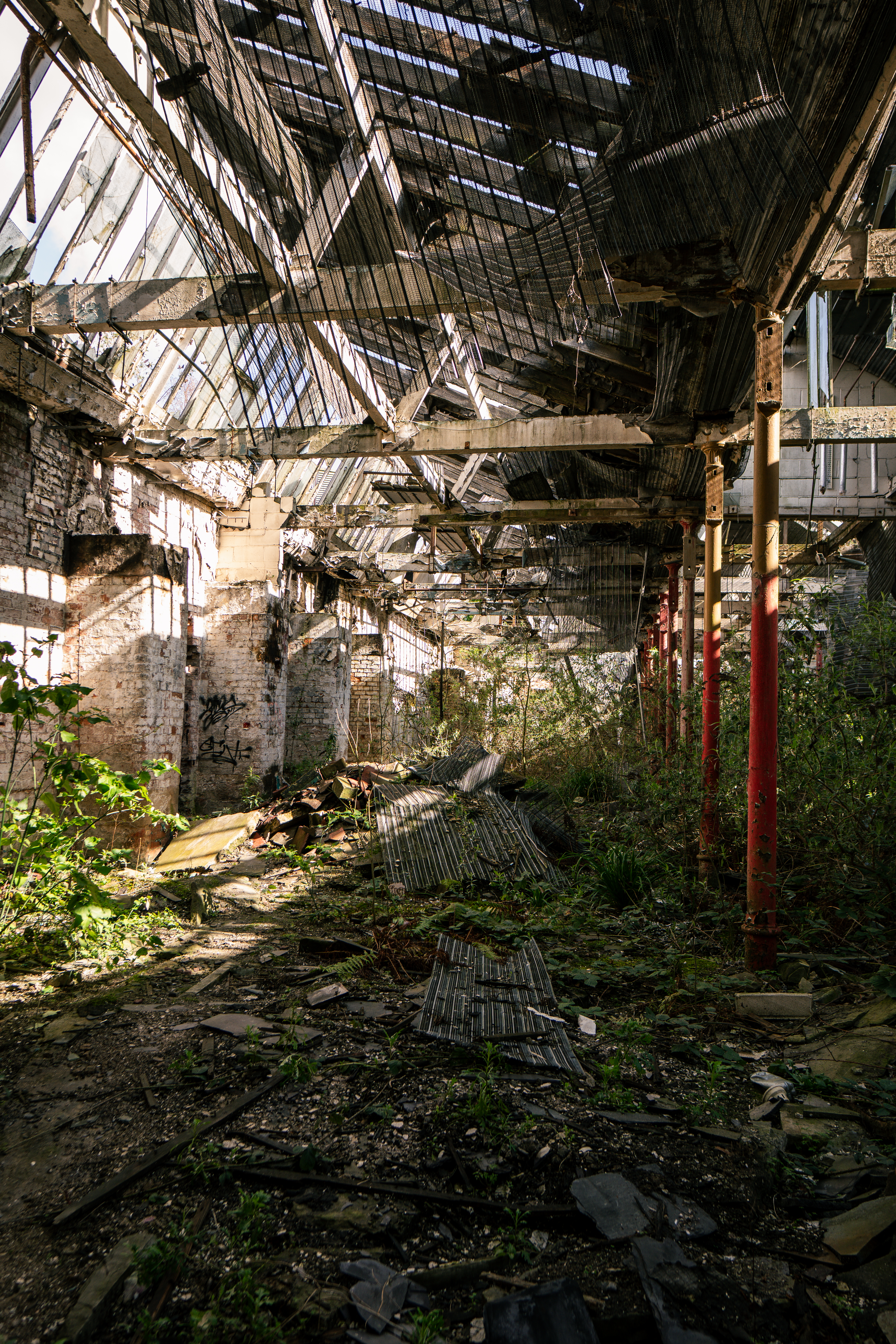
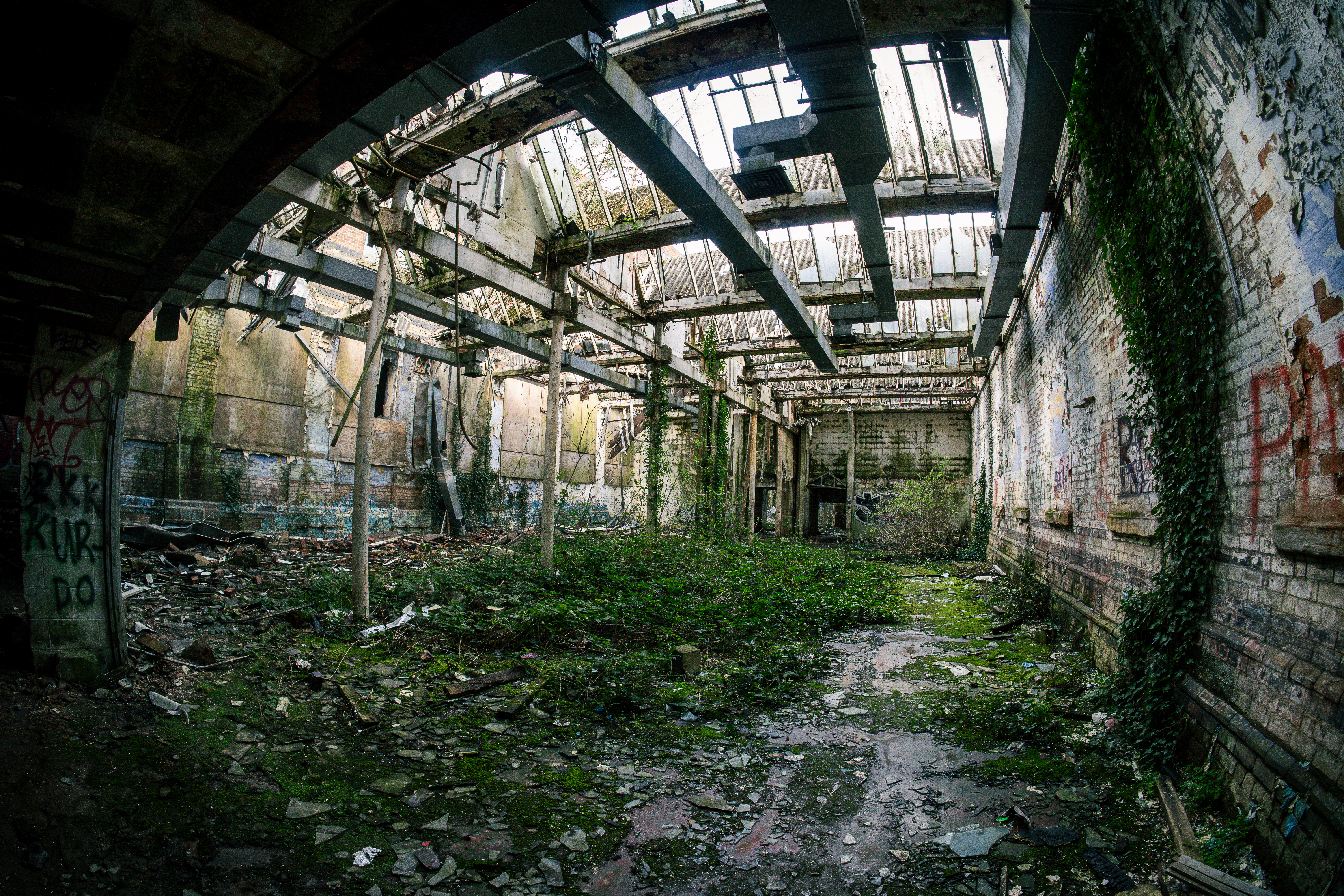
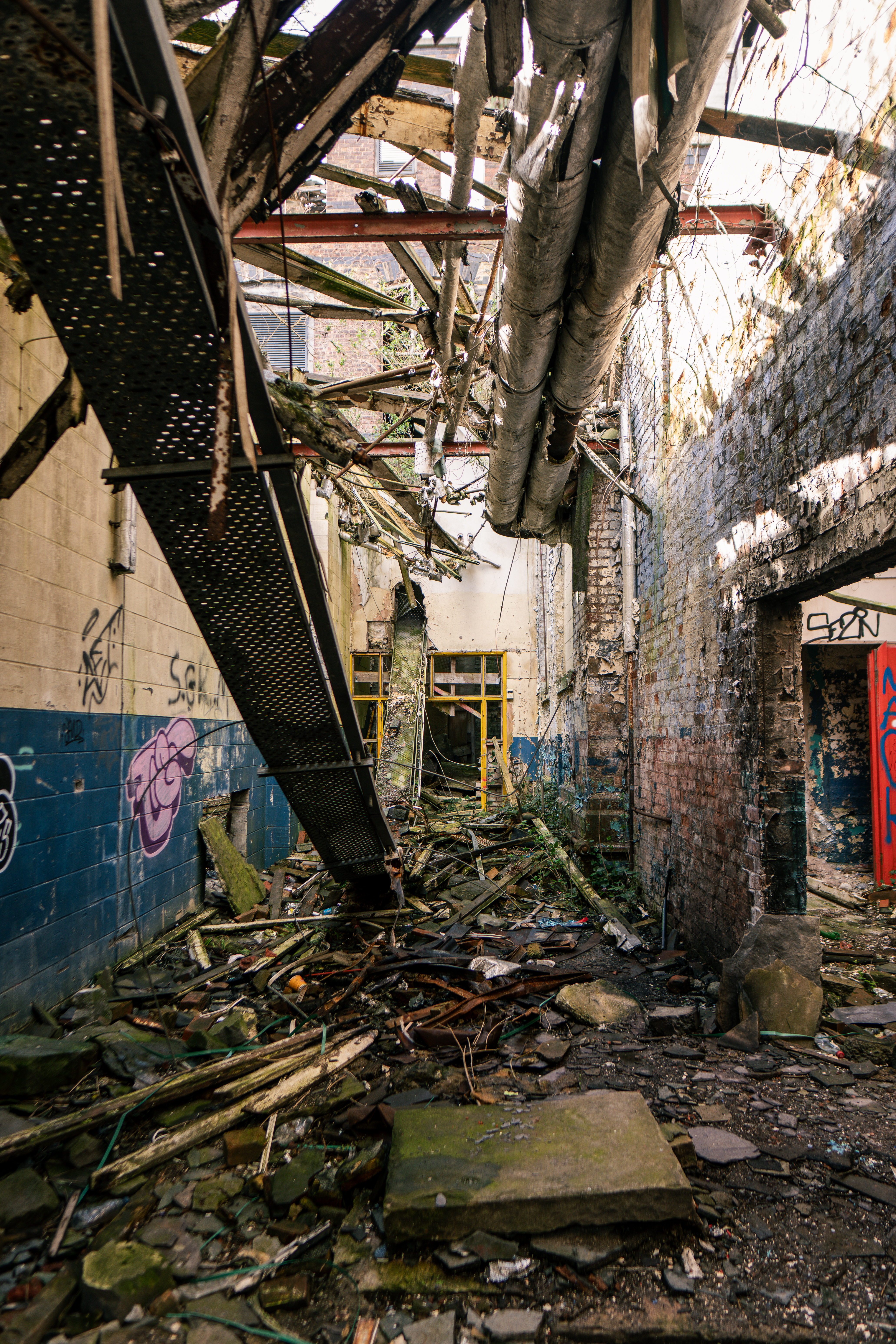
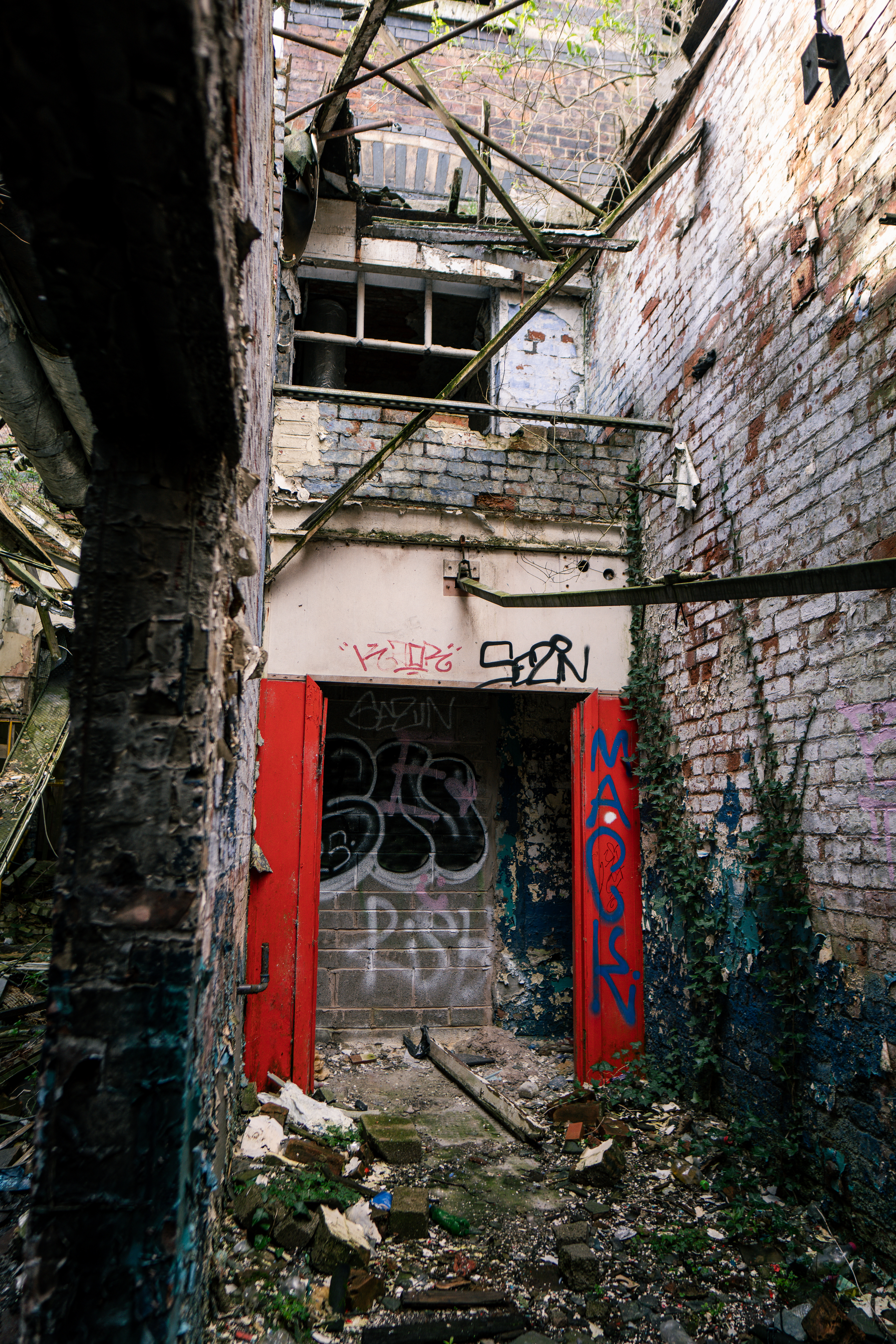
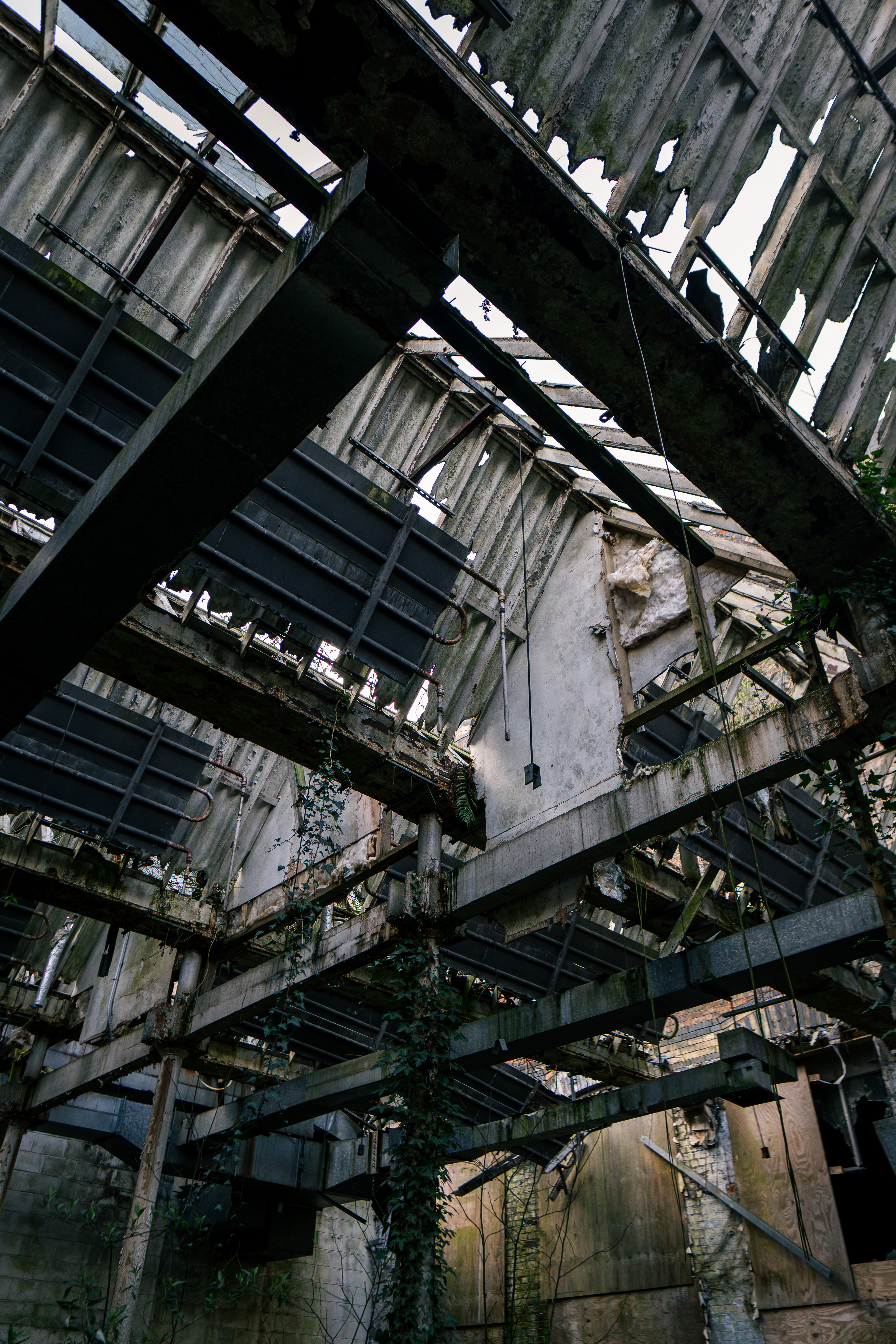
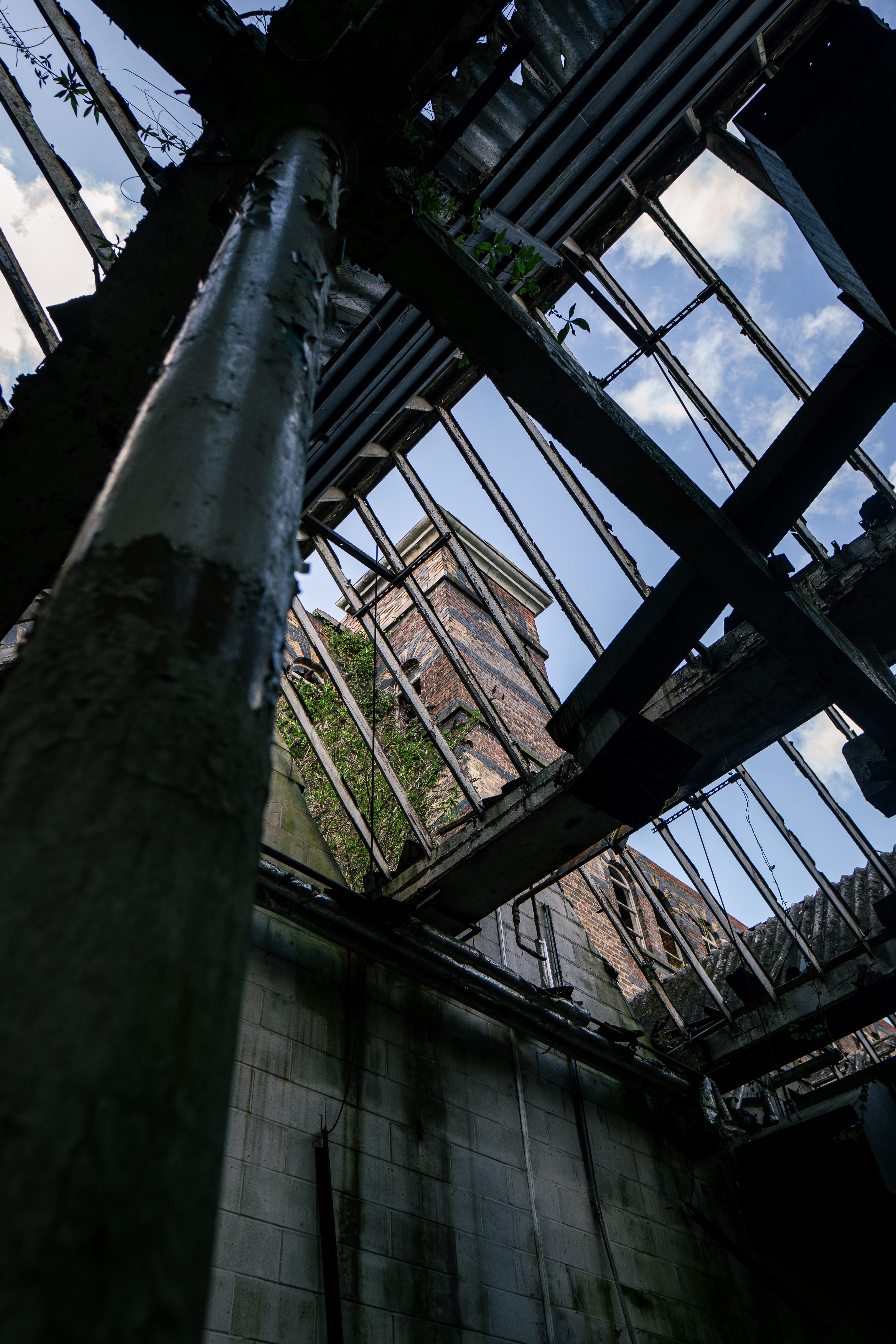
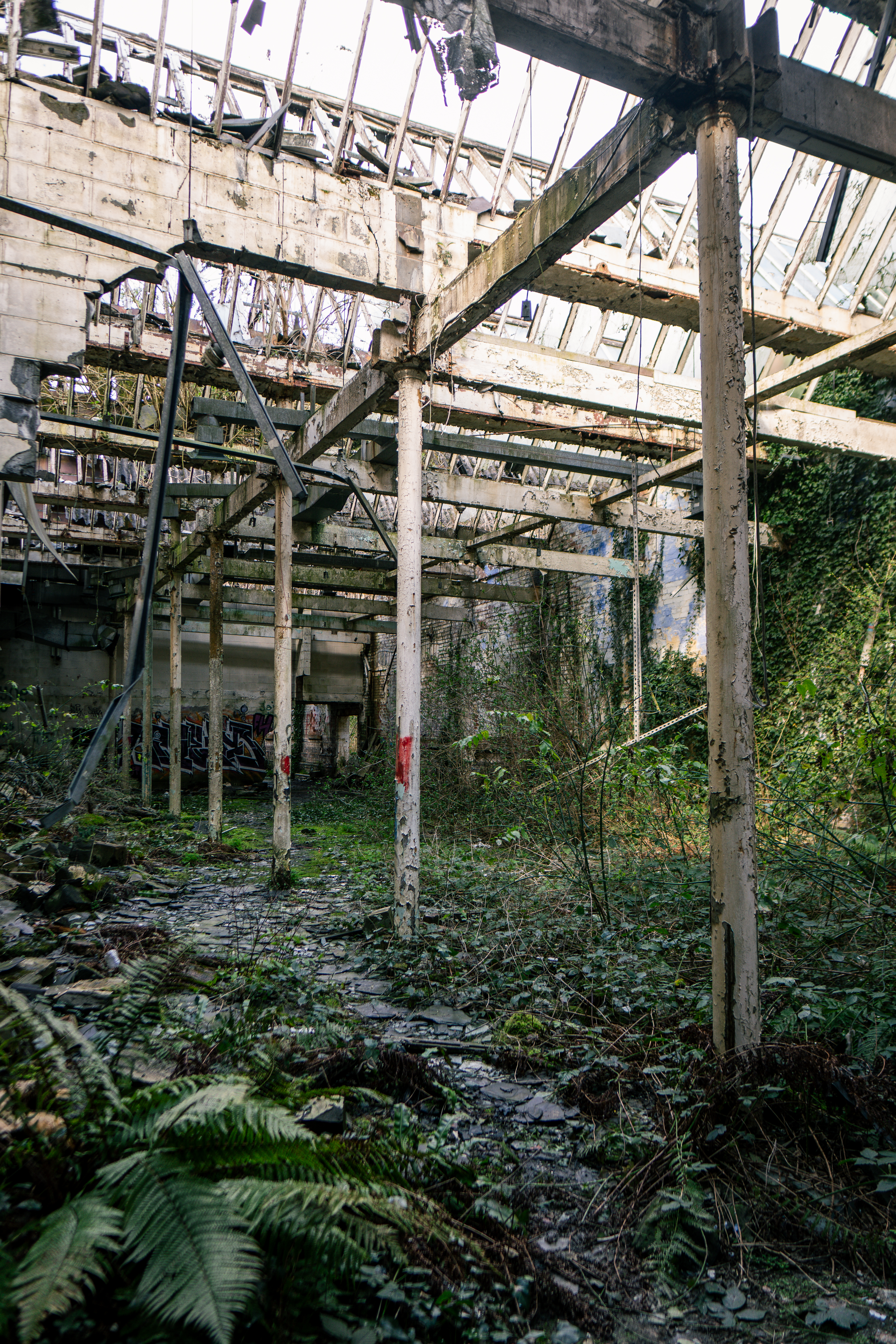
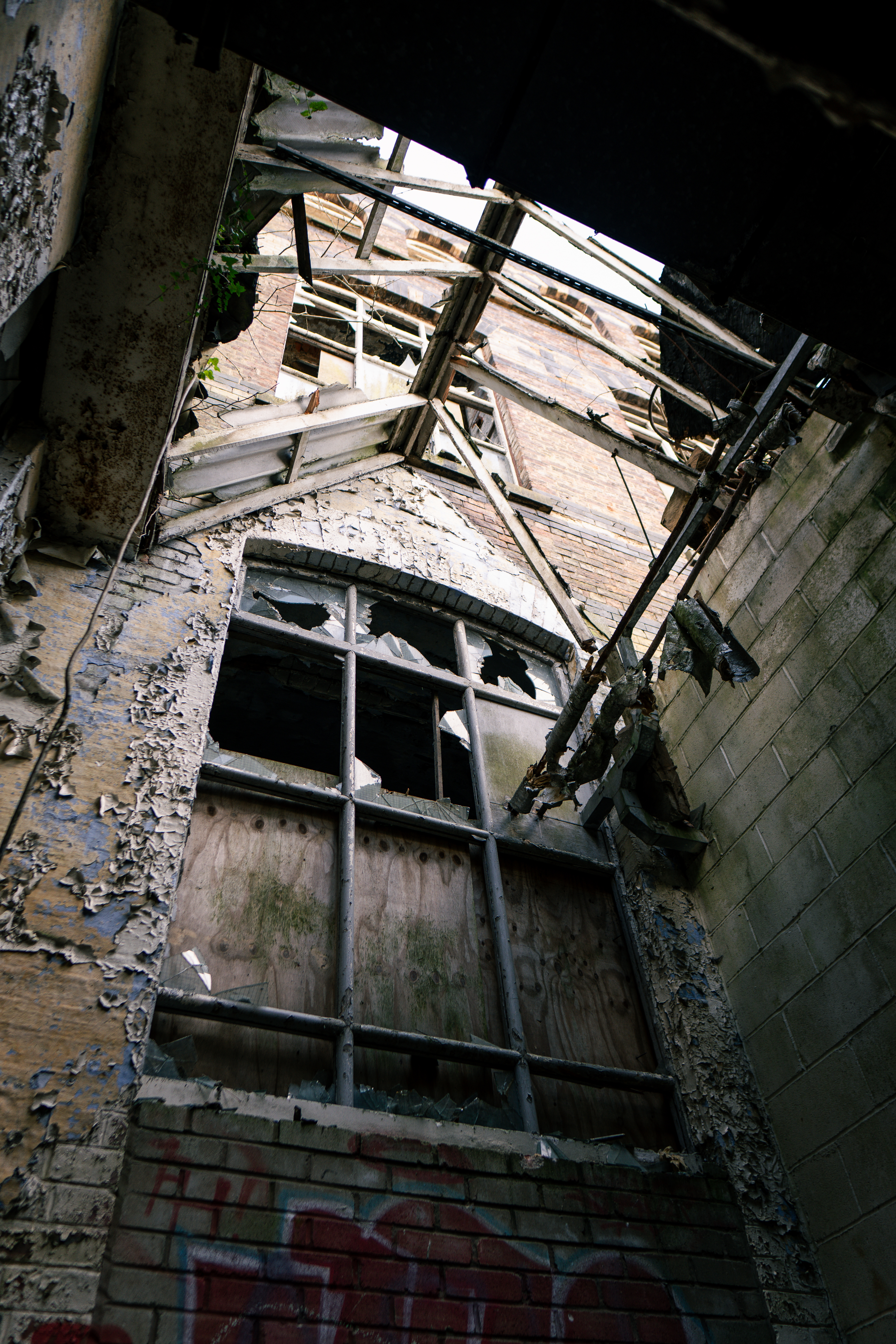
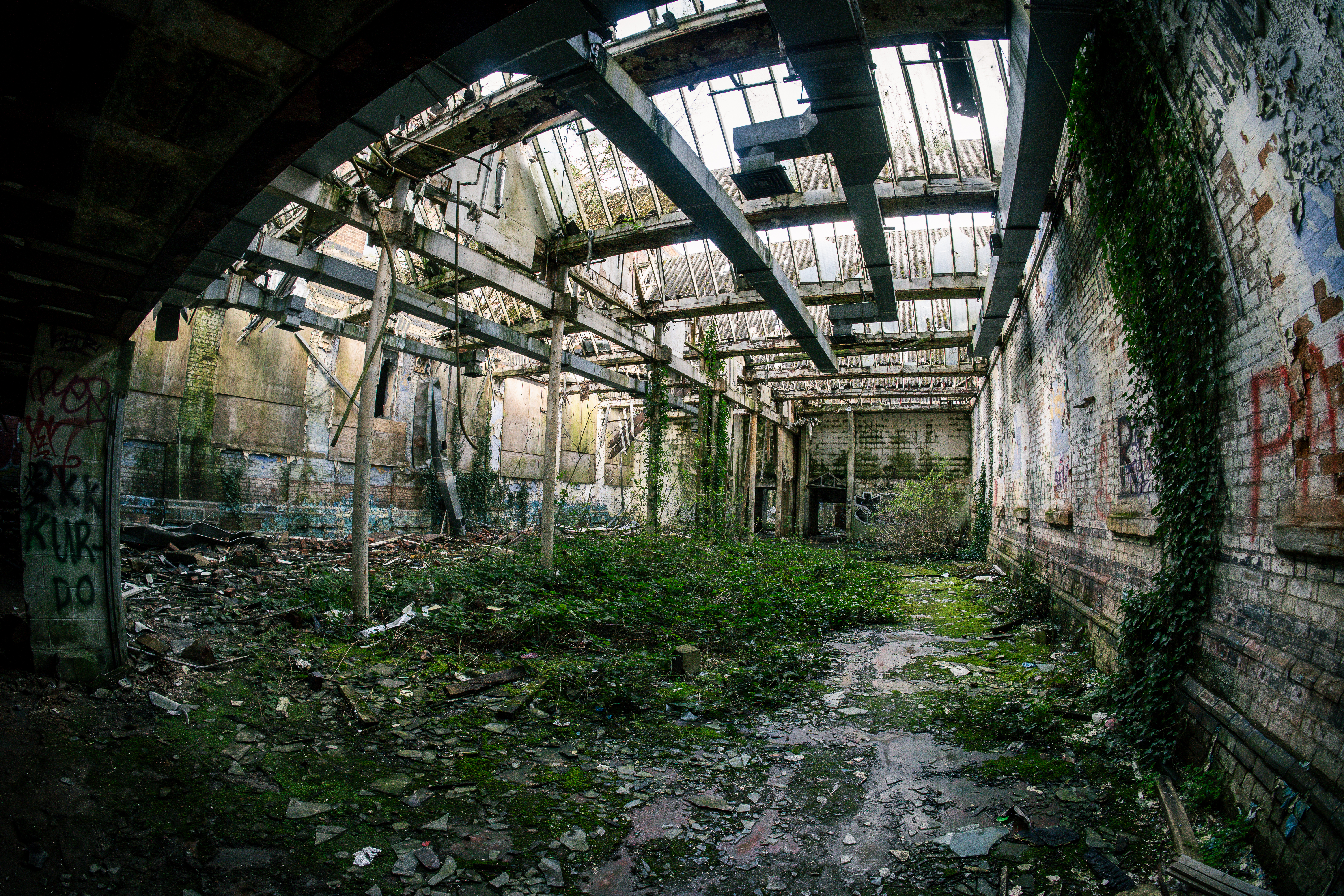
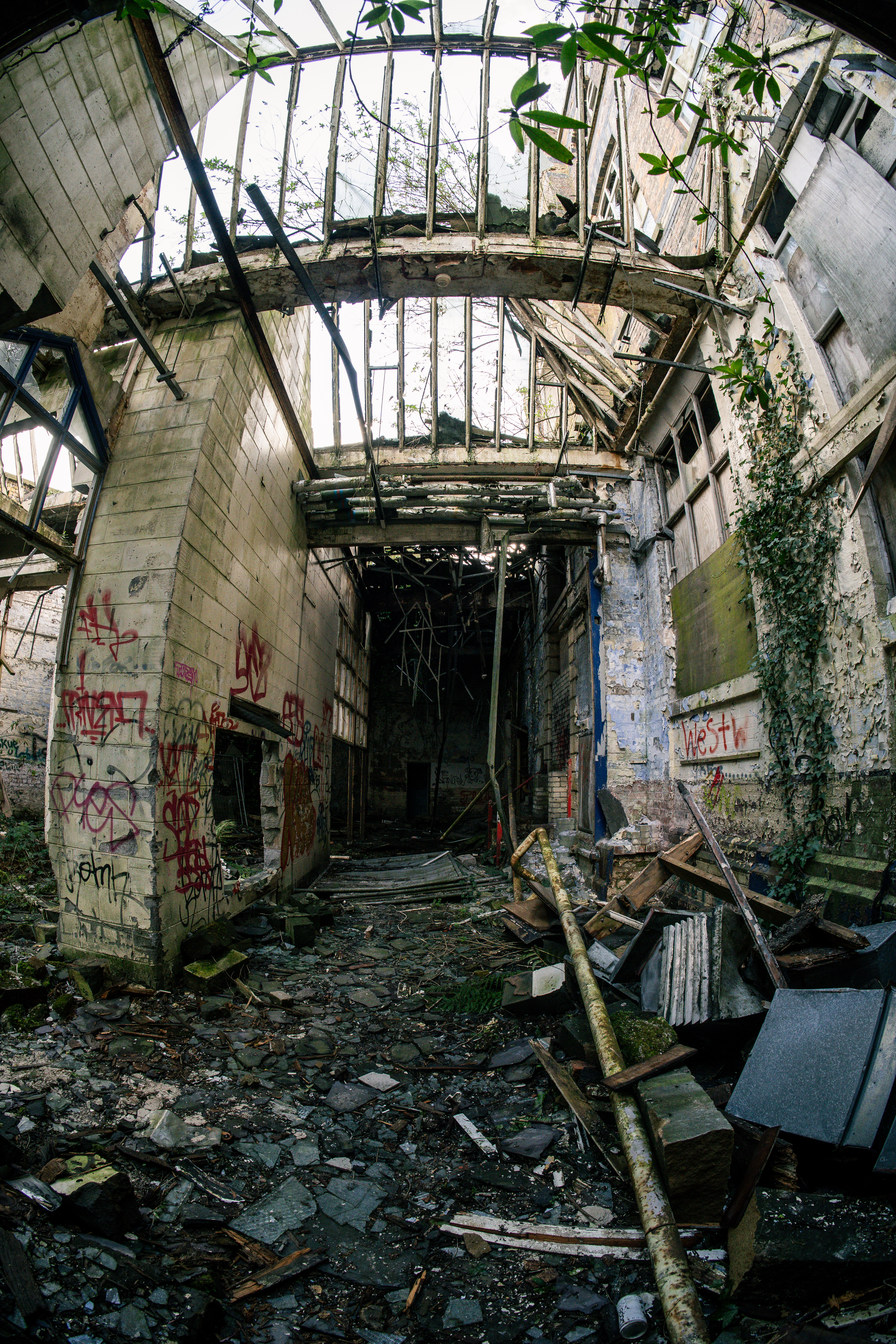
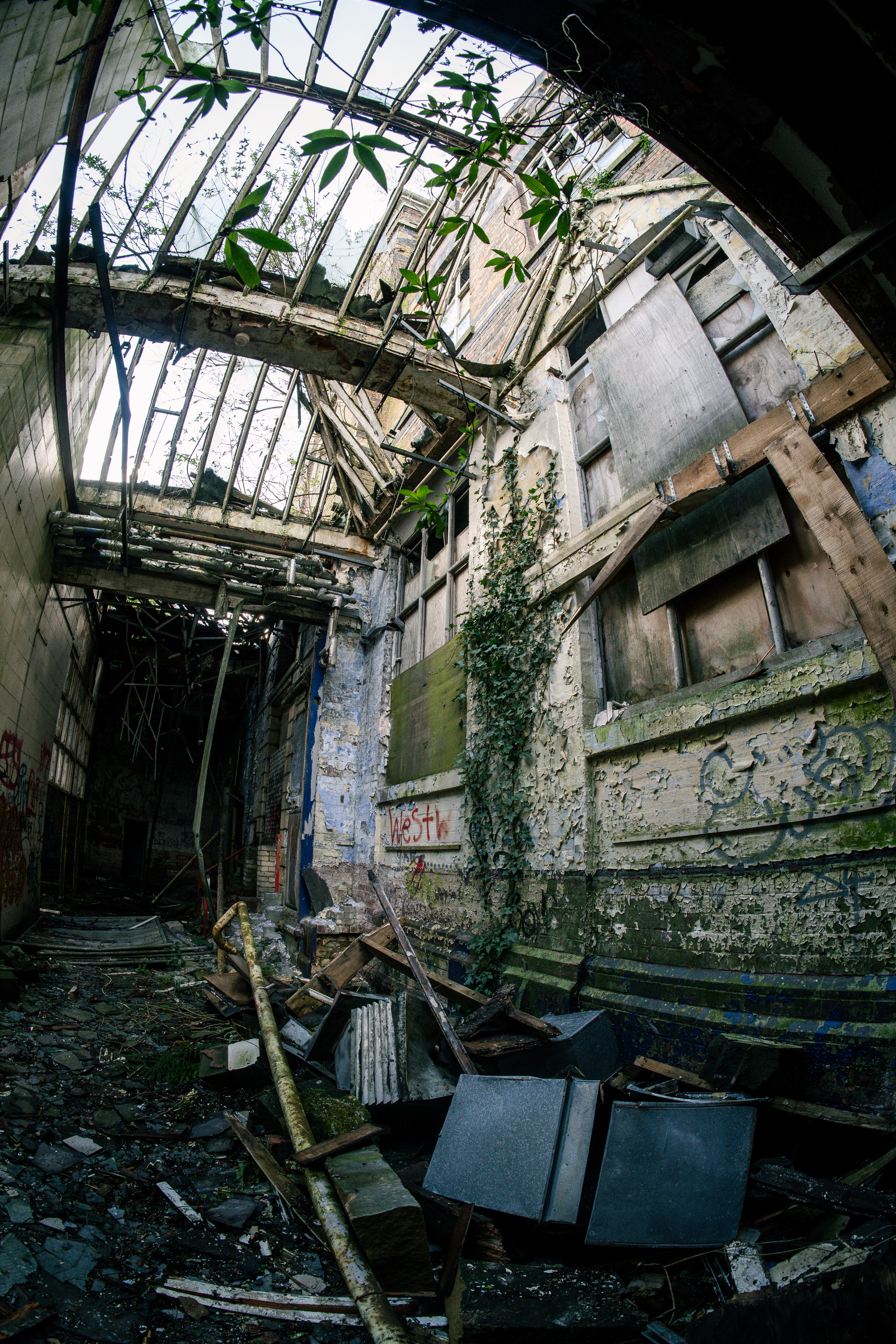
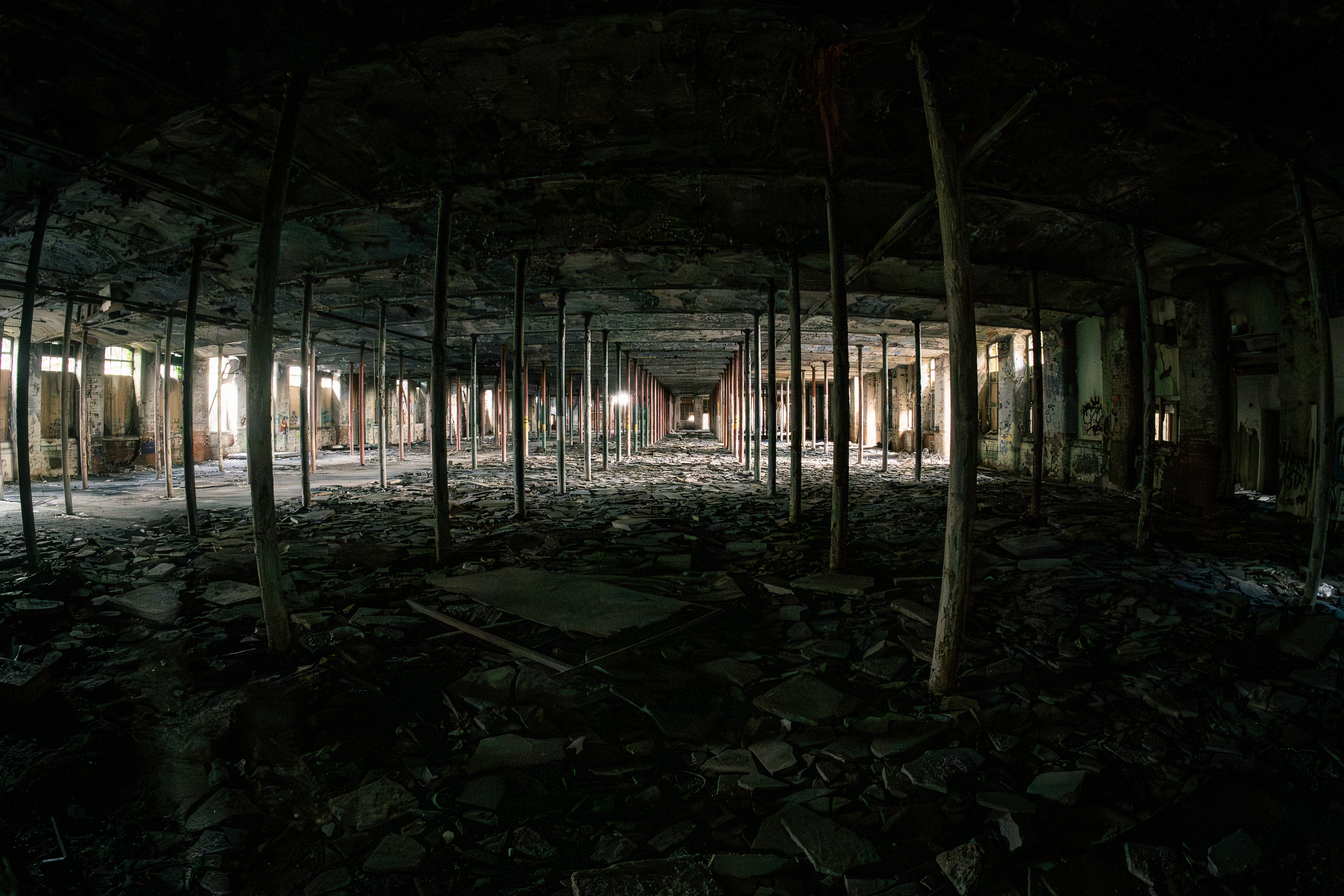
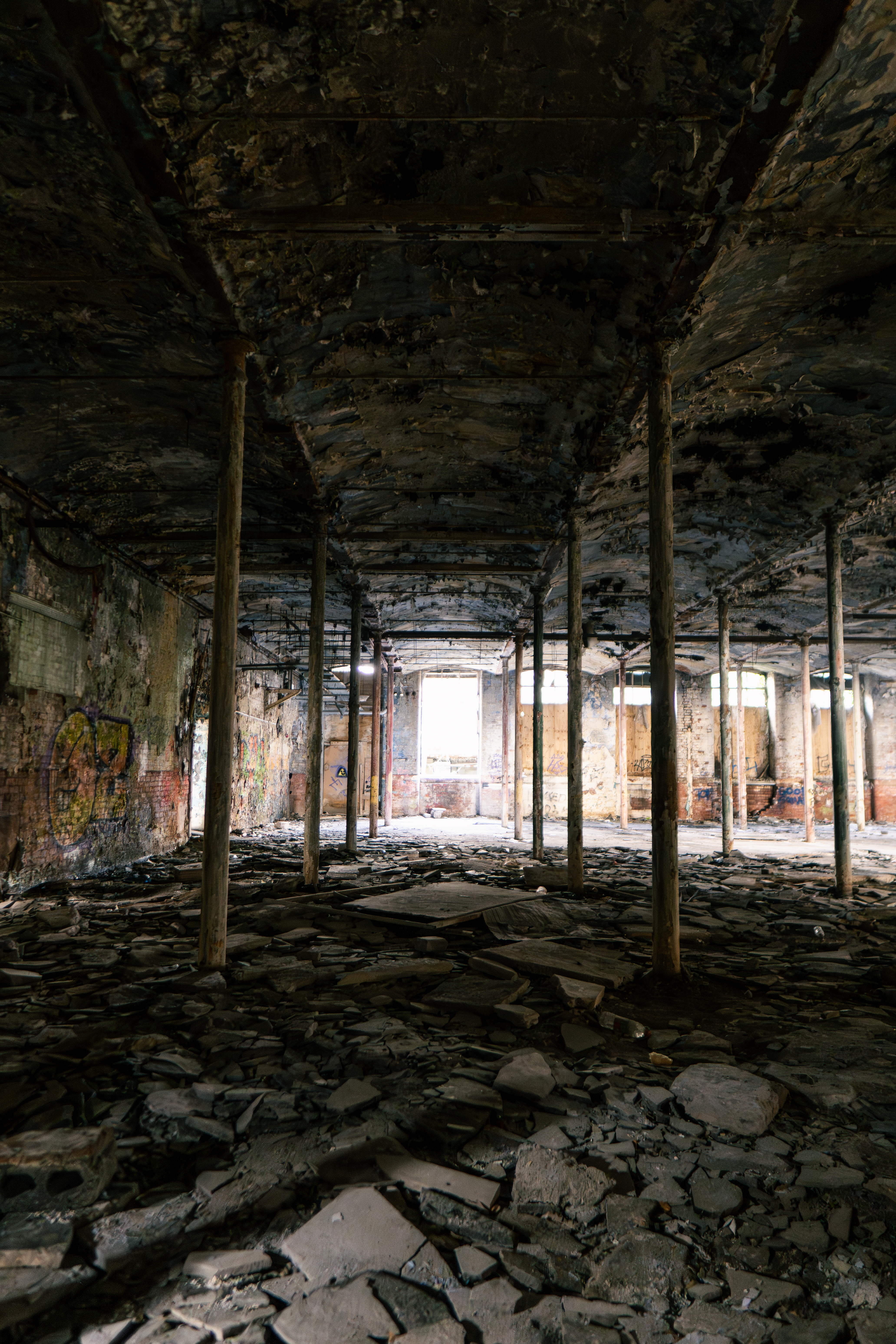
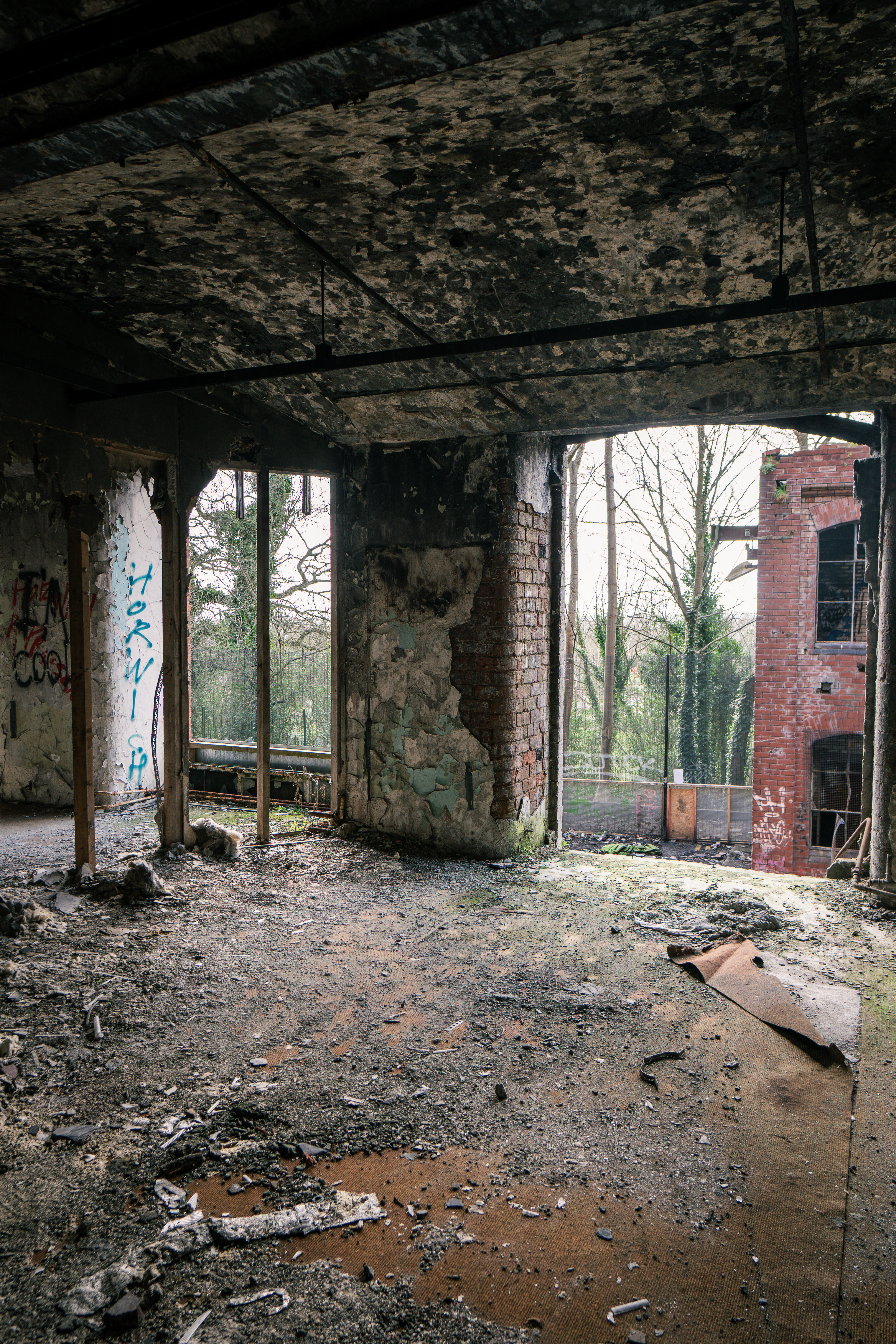
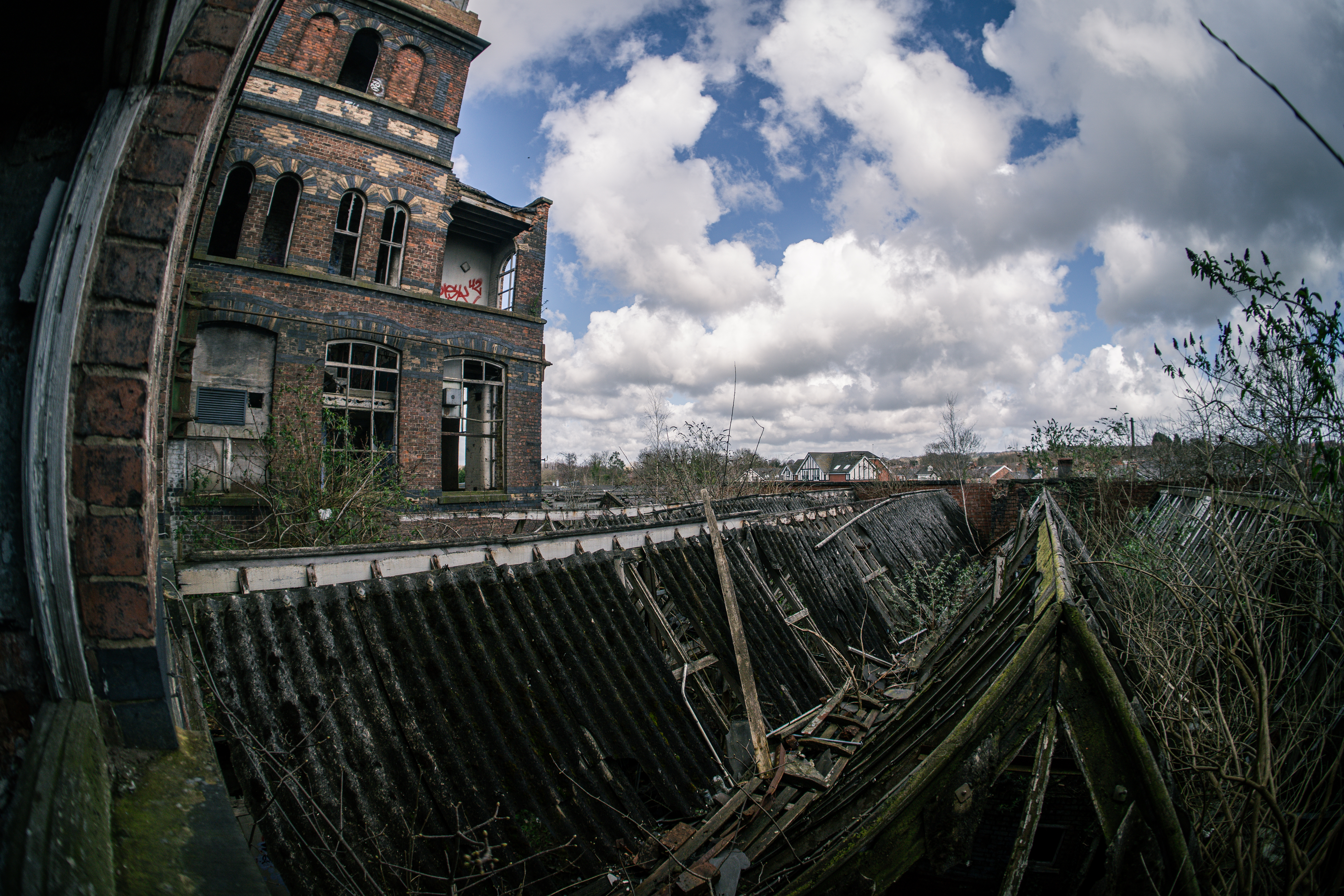
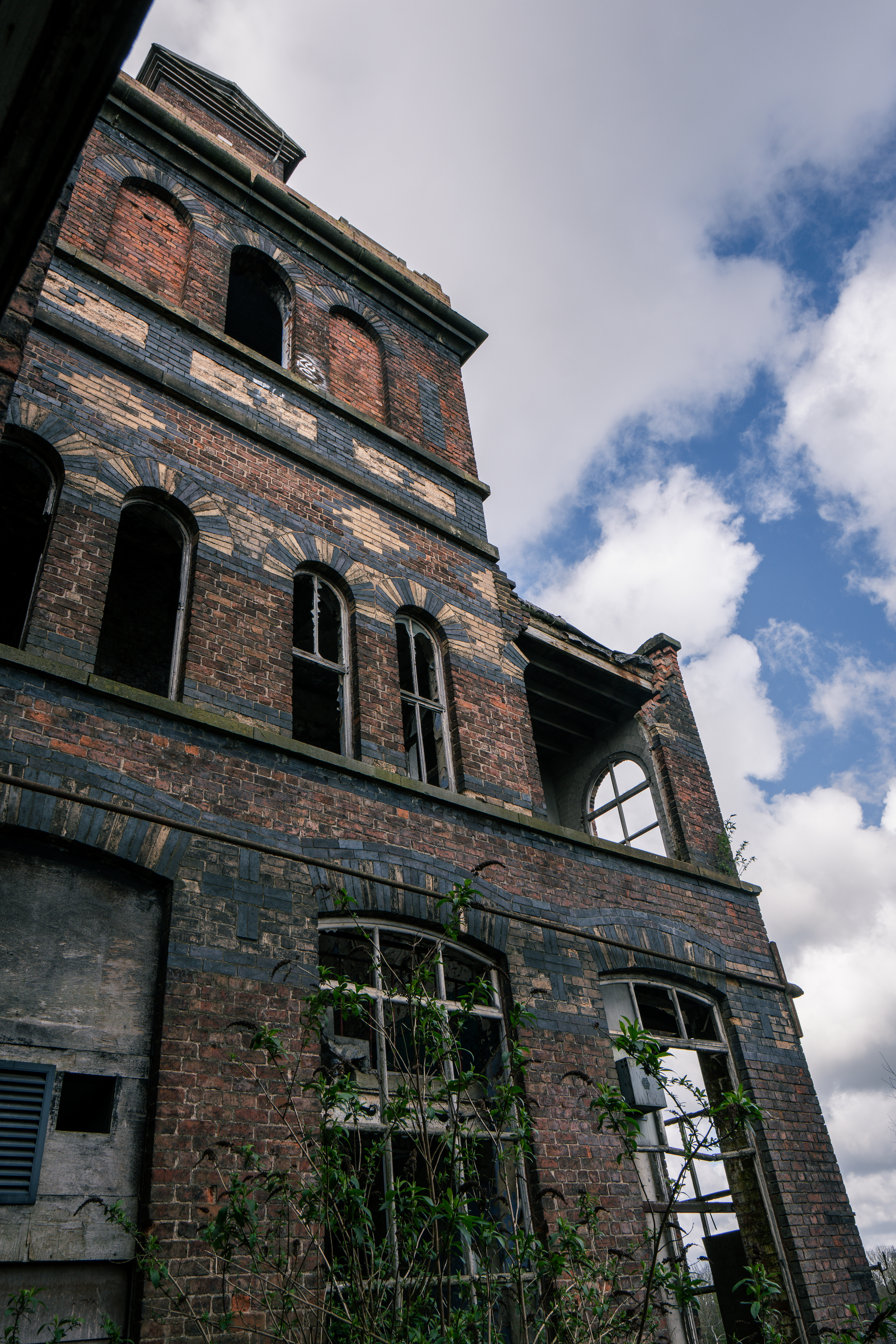
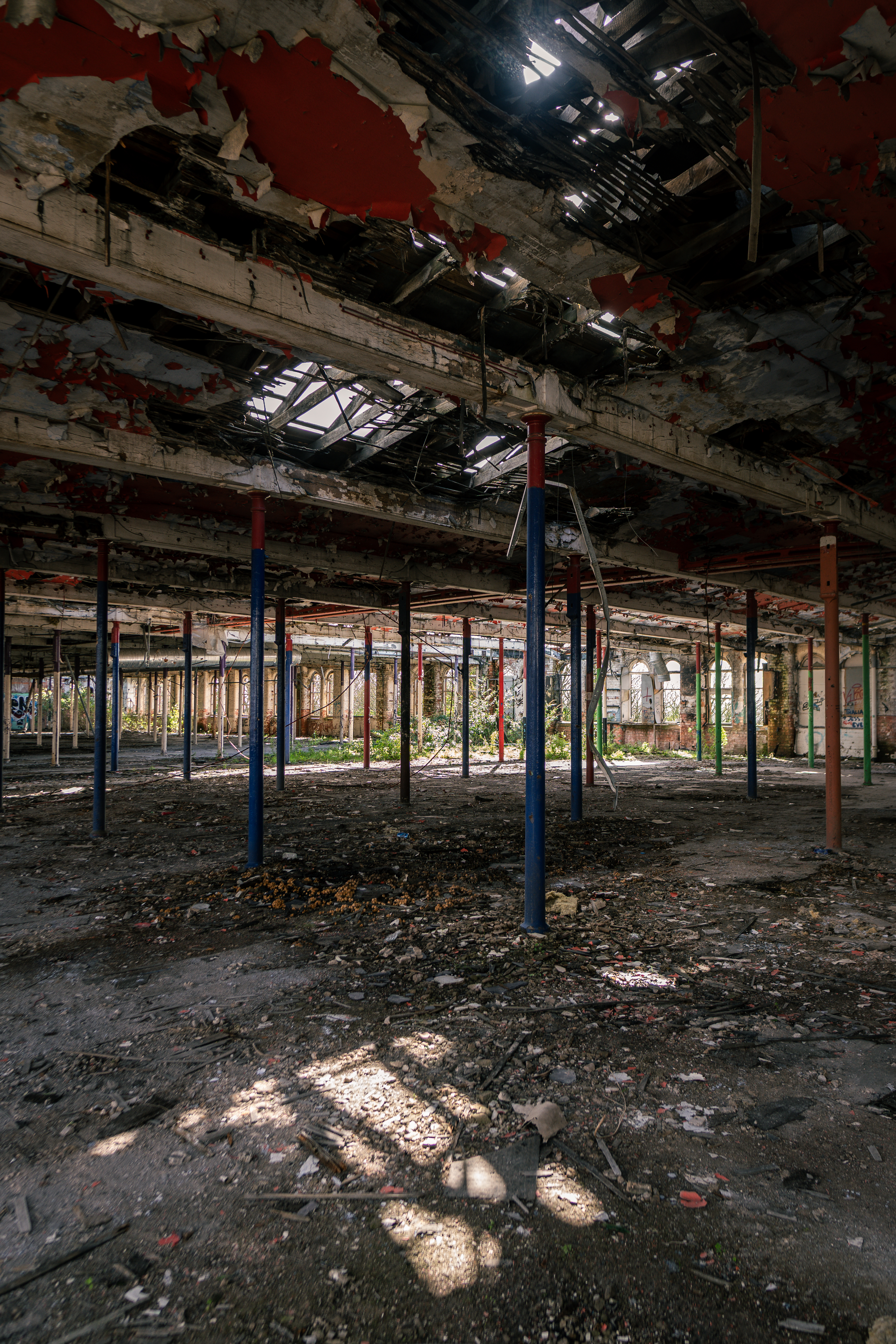
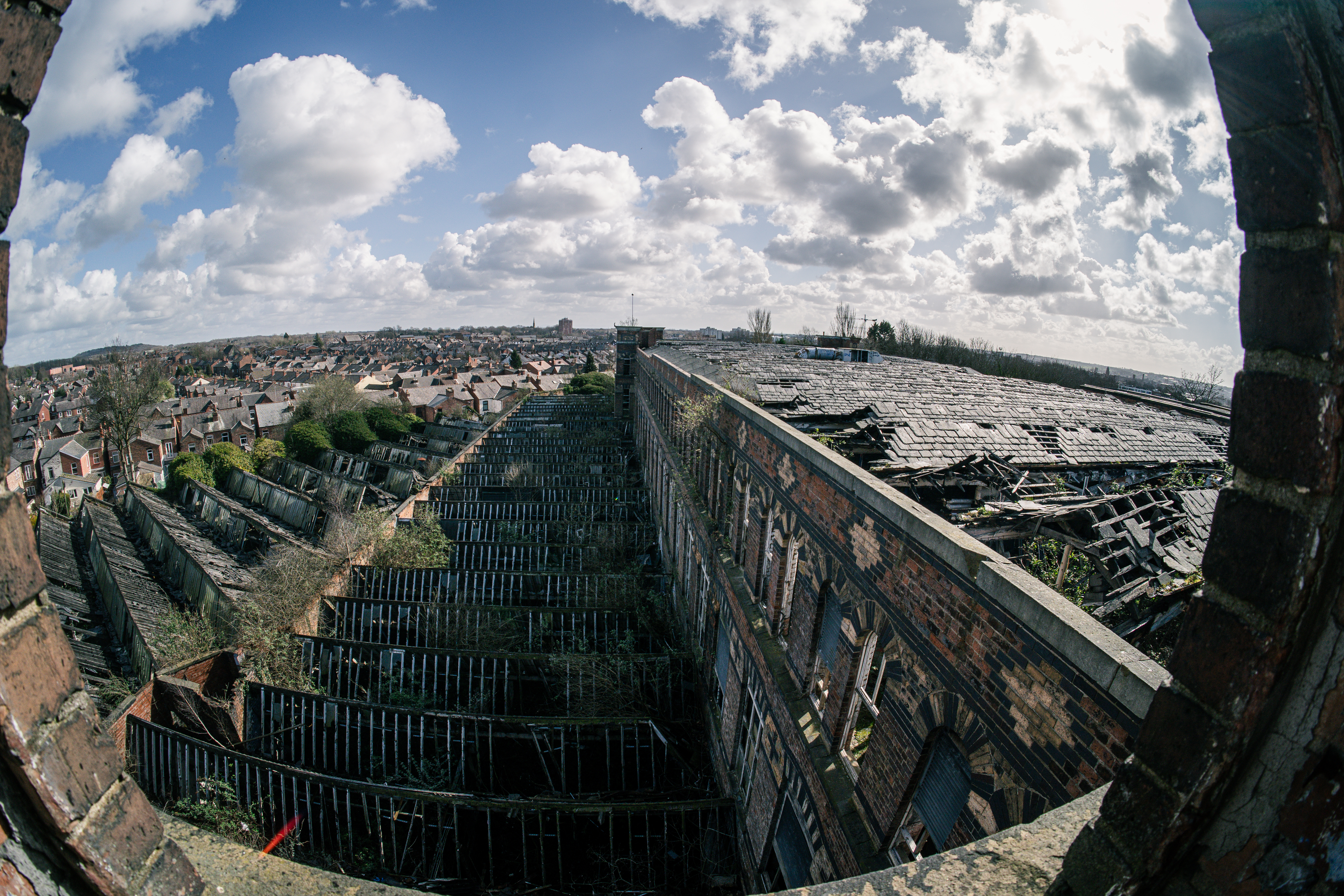
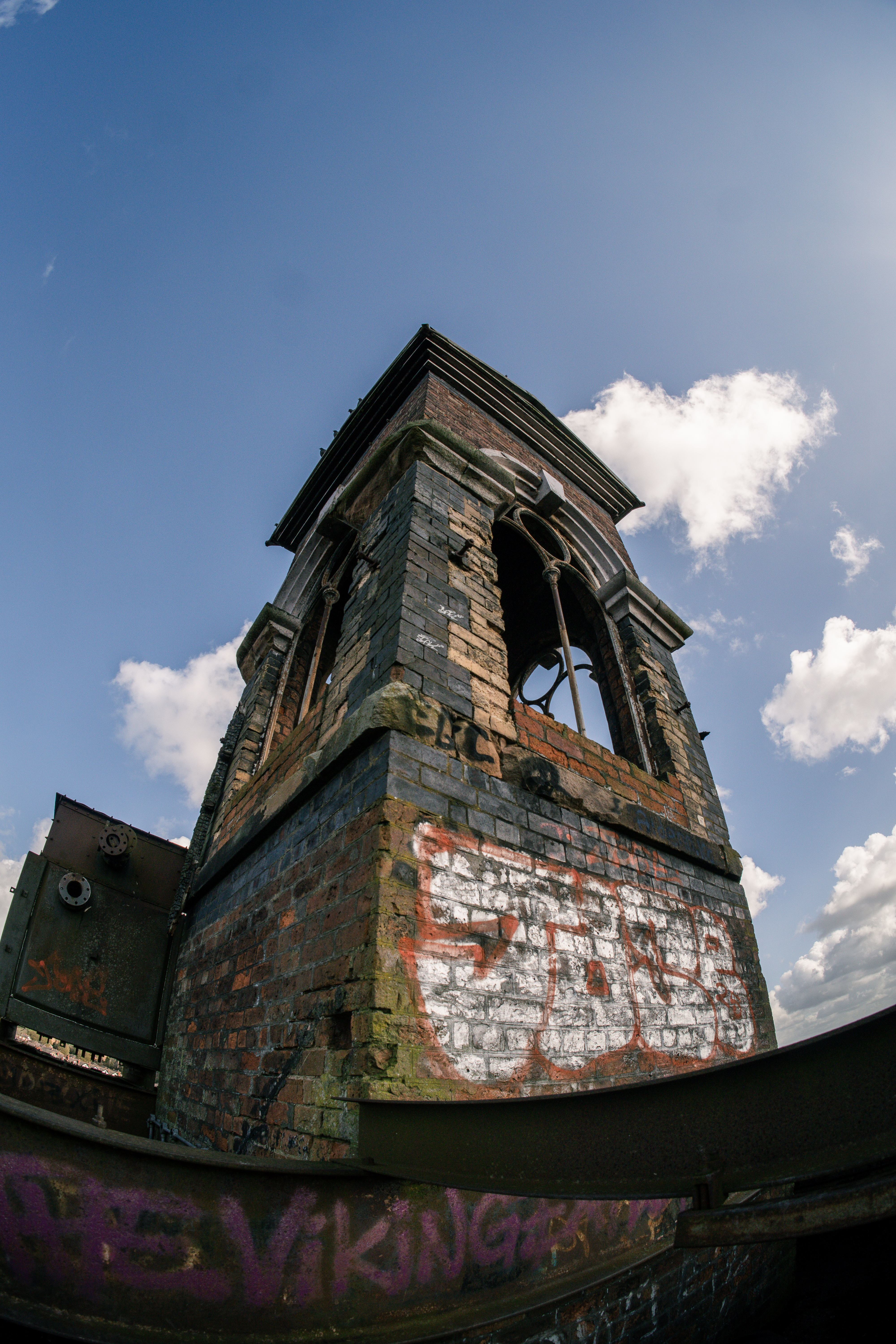
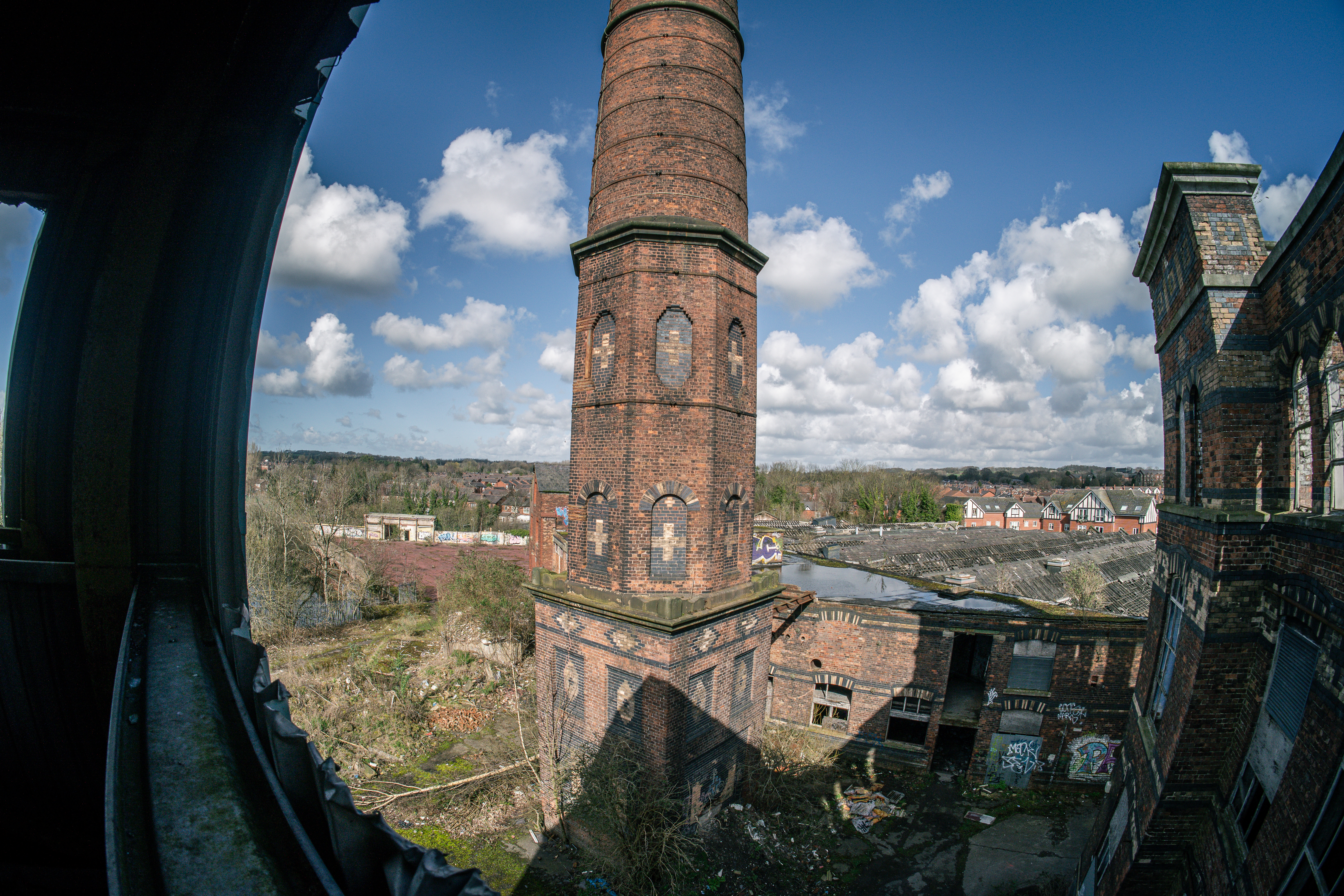
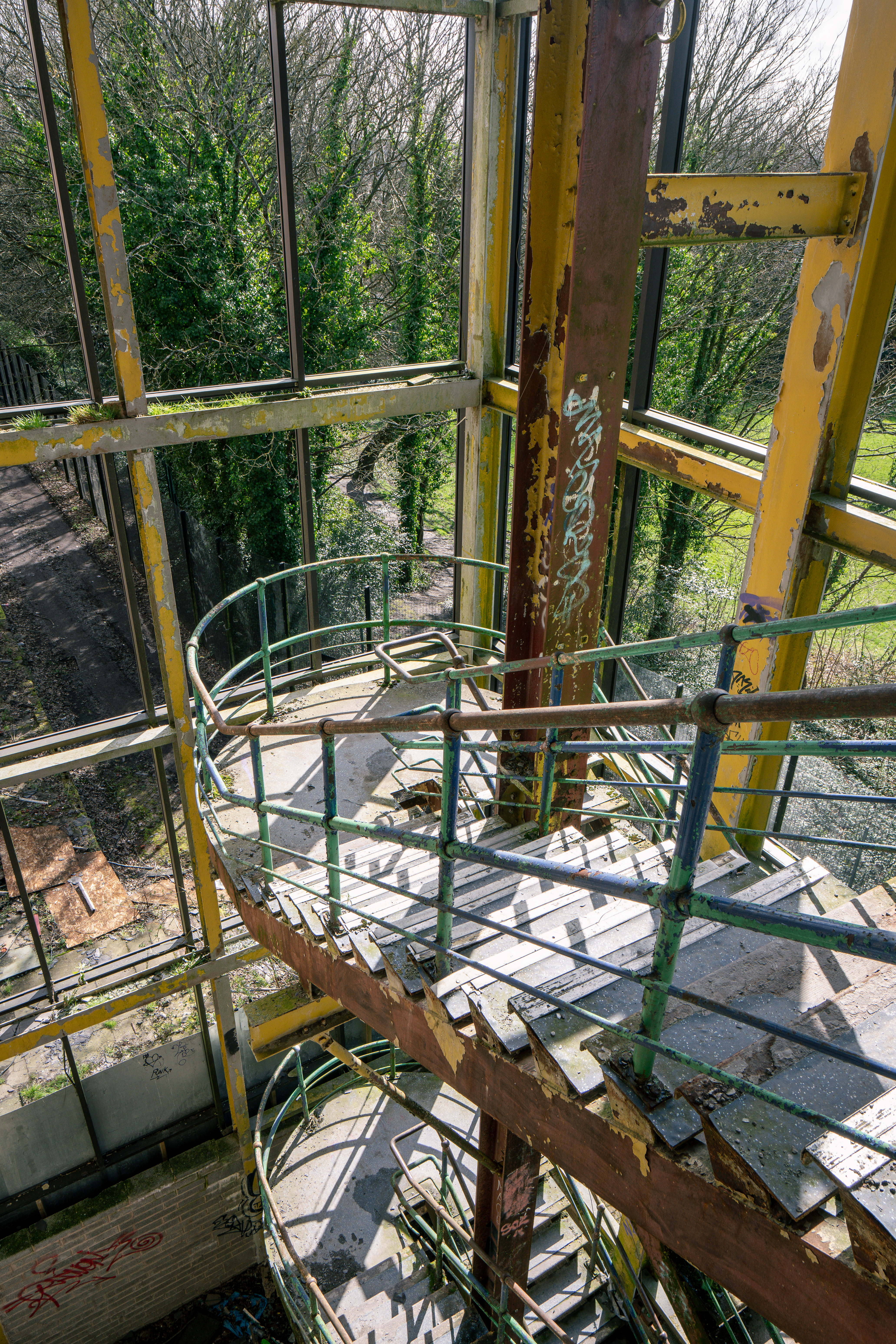
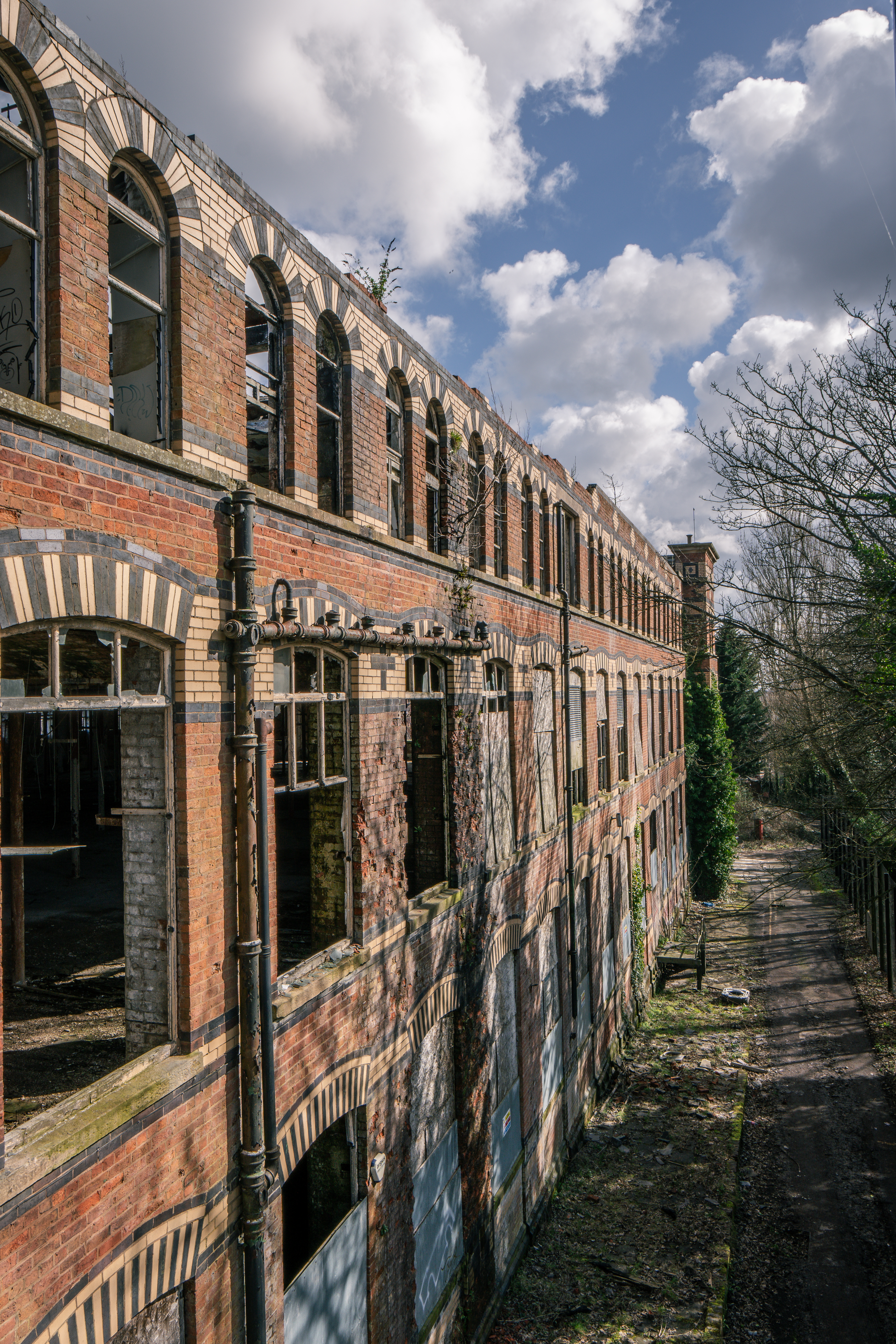
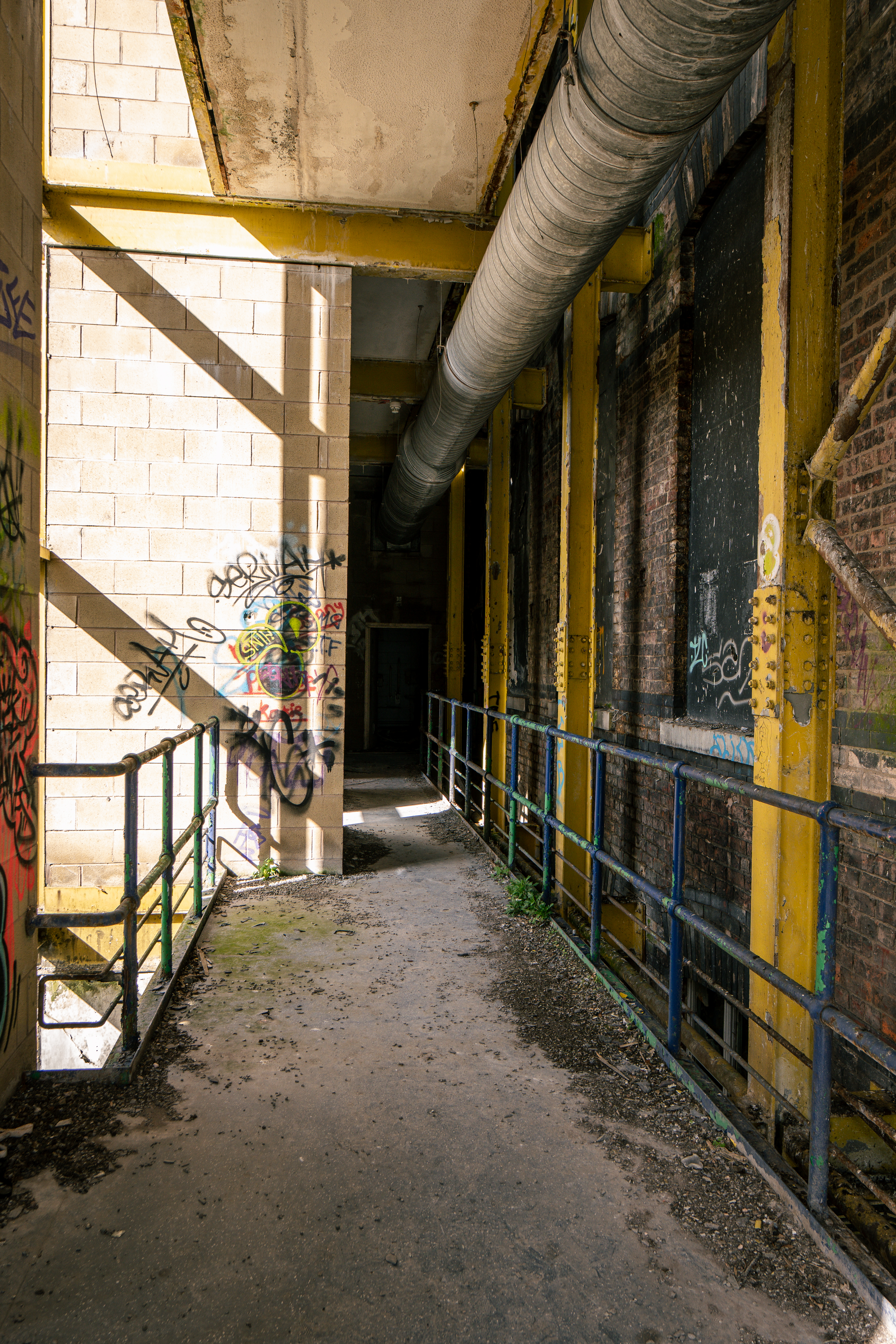
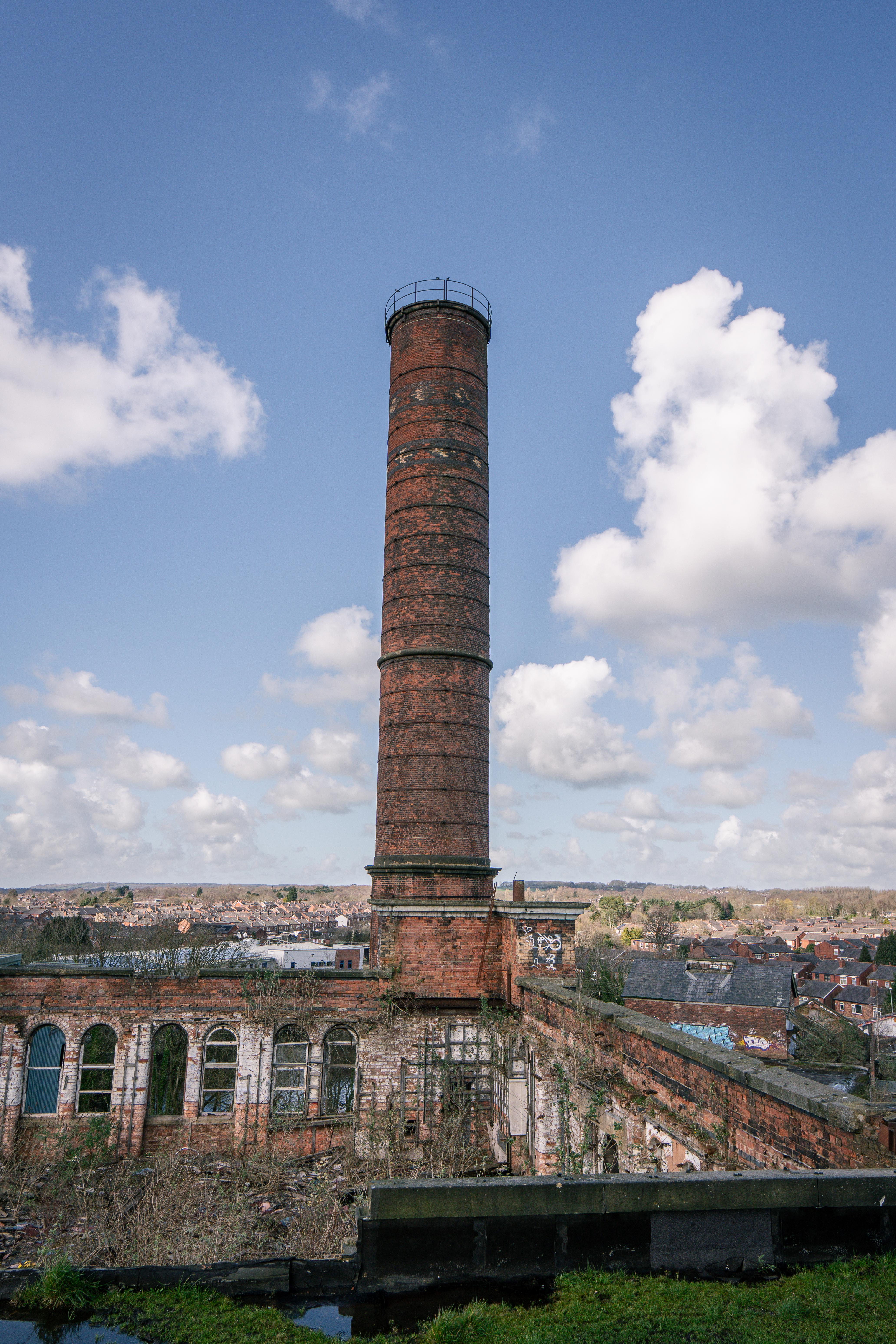
Rylands Mill stands as a substantial reminder of Wigan’s nineteenth-century industrial expansion and the scale of Lancashire’s cotton manufacturing industry. Constructed in the mid-1860s for the textile firm Rylands & Sons, the mill formed part of a large integrated manufacturing complex during the period when the region dominated global cotton production. Positioned on elevated ground overlooking Mesnes Park, the site was designed to house extensive spinning and weaving operations supported by steam-powered engines, boilers, and associated industrial infrastructure. At its peak the mill contained tens of thousands of spinning spindles and more than a thousand looms, employing a large workforce drawn from the surrounding town and contributing significantly to Wigan’s industrial economy.
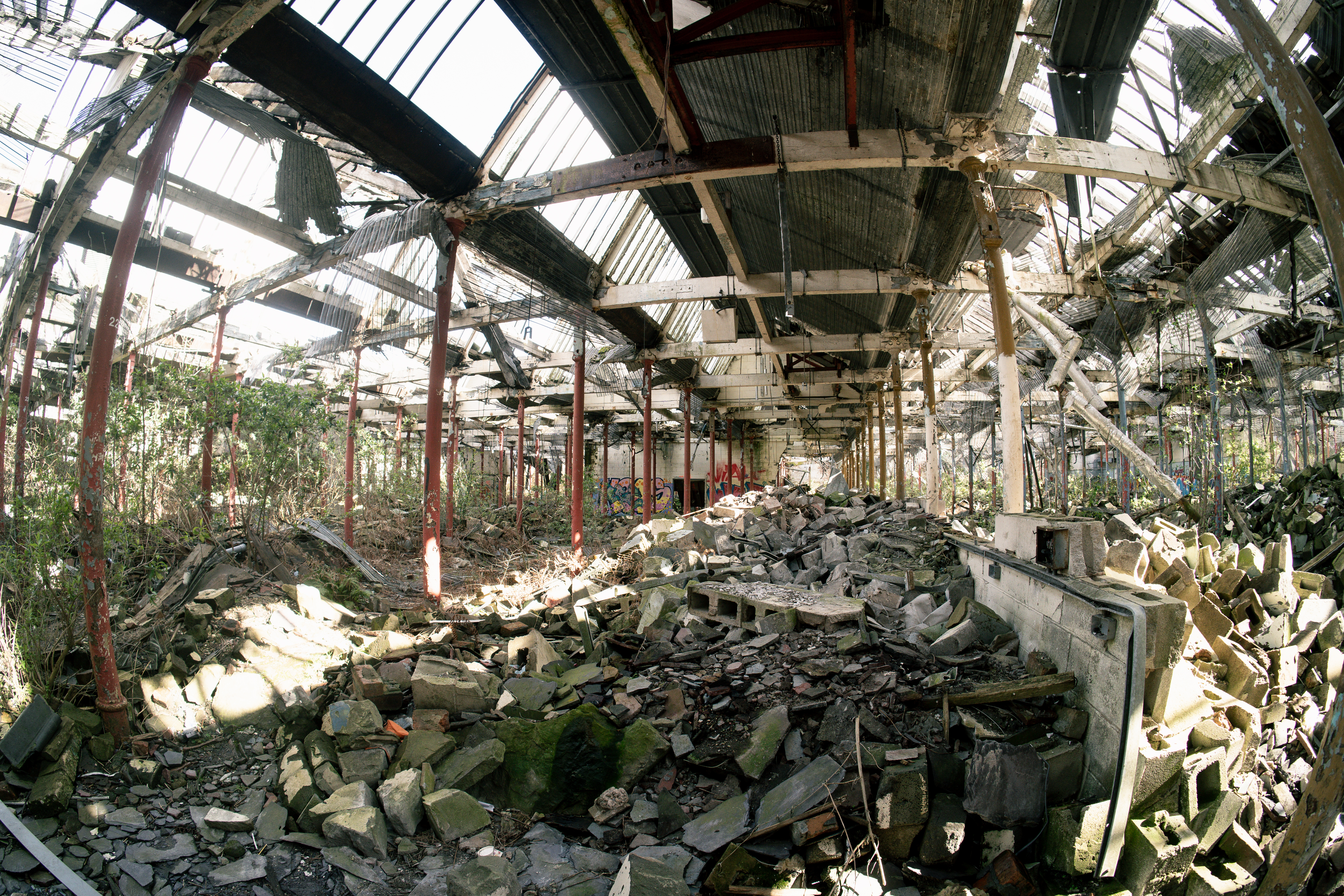
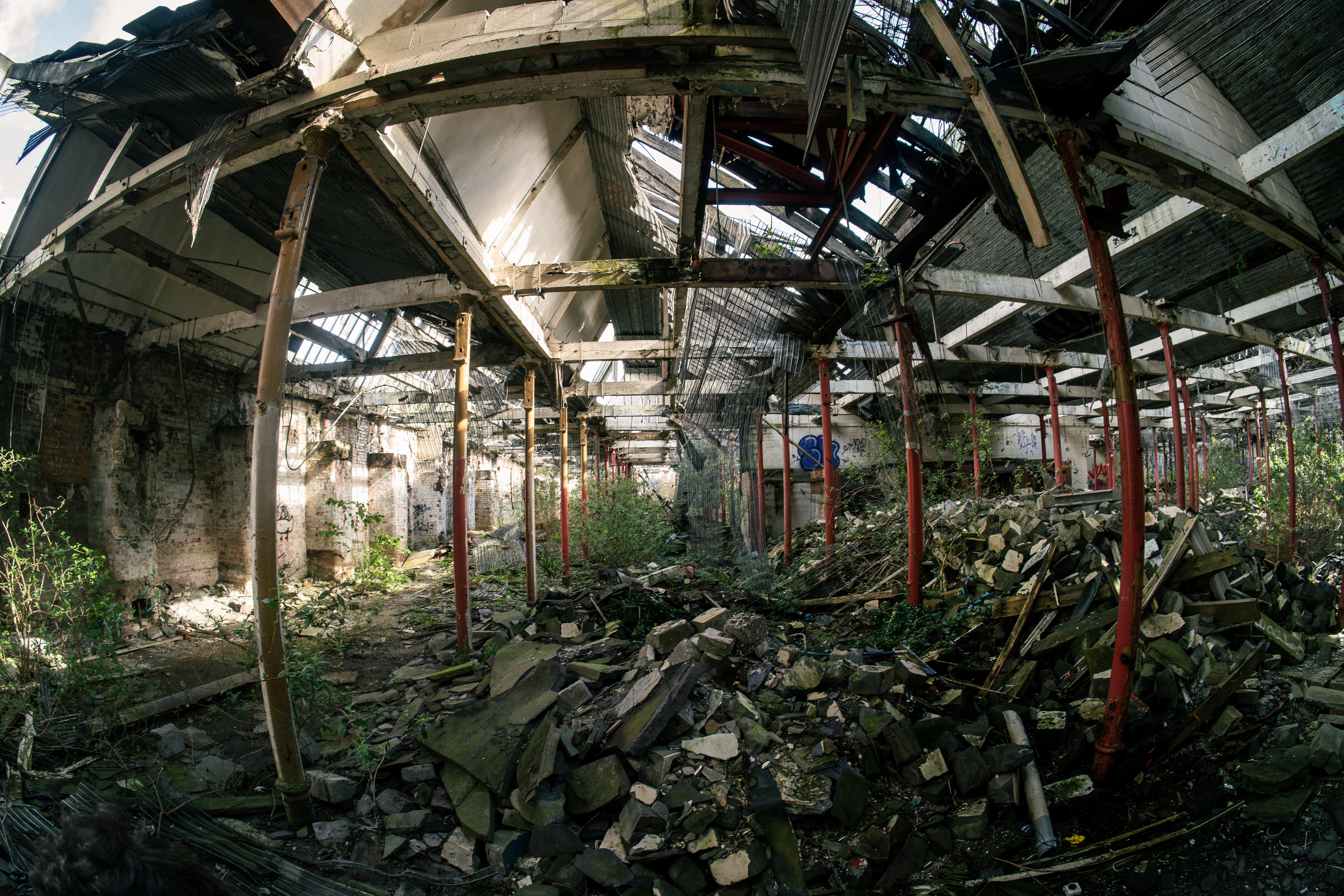
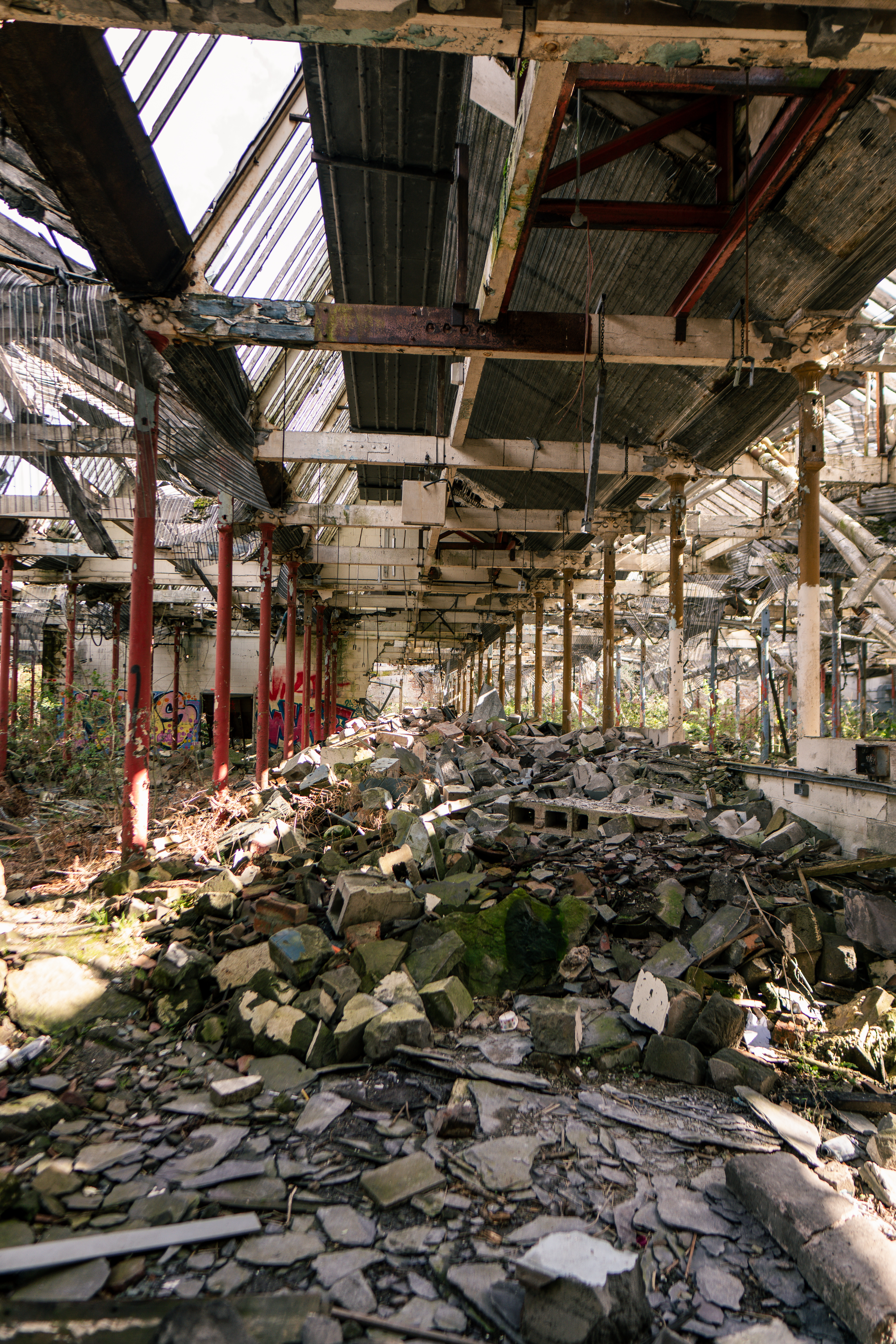
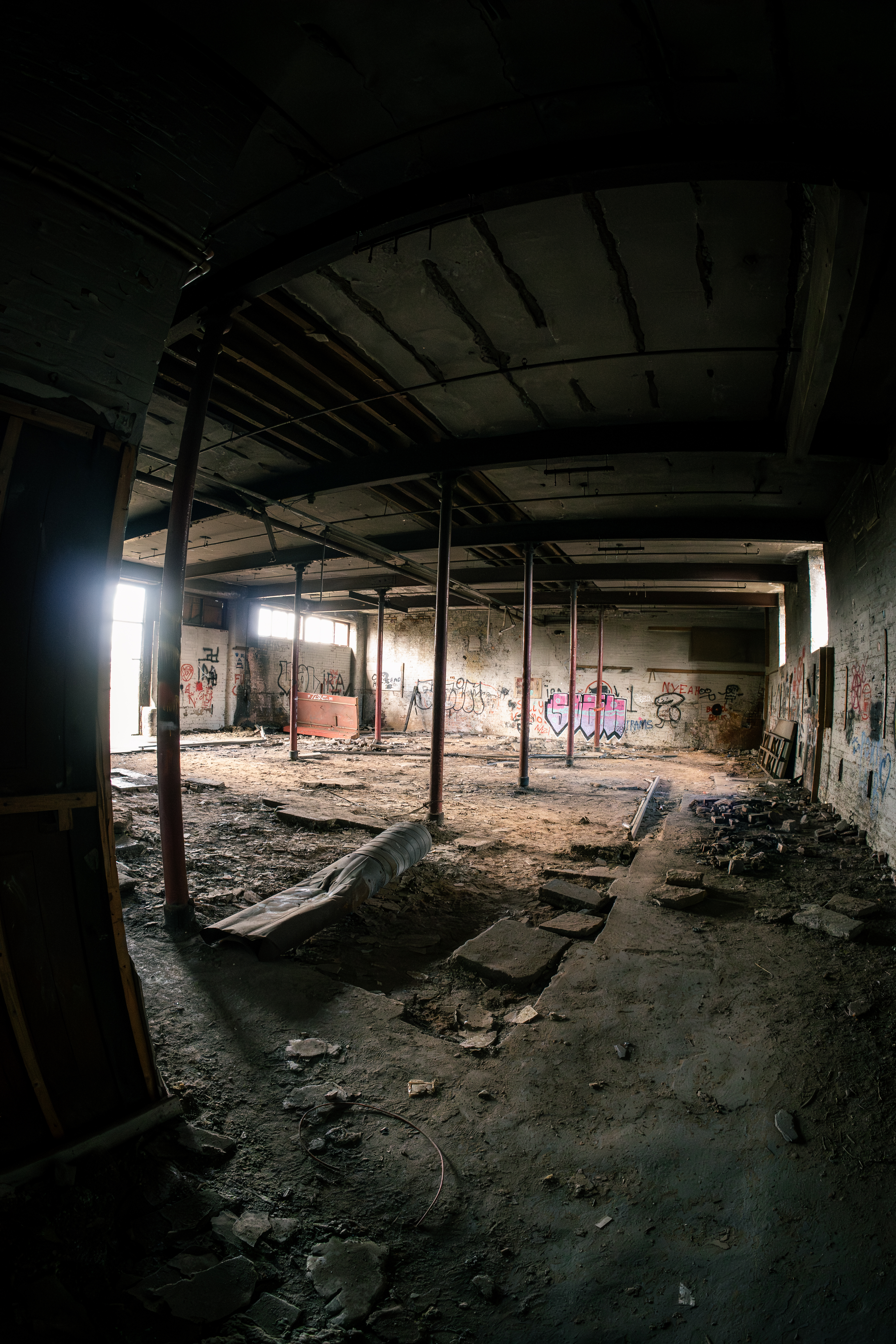
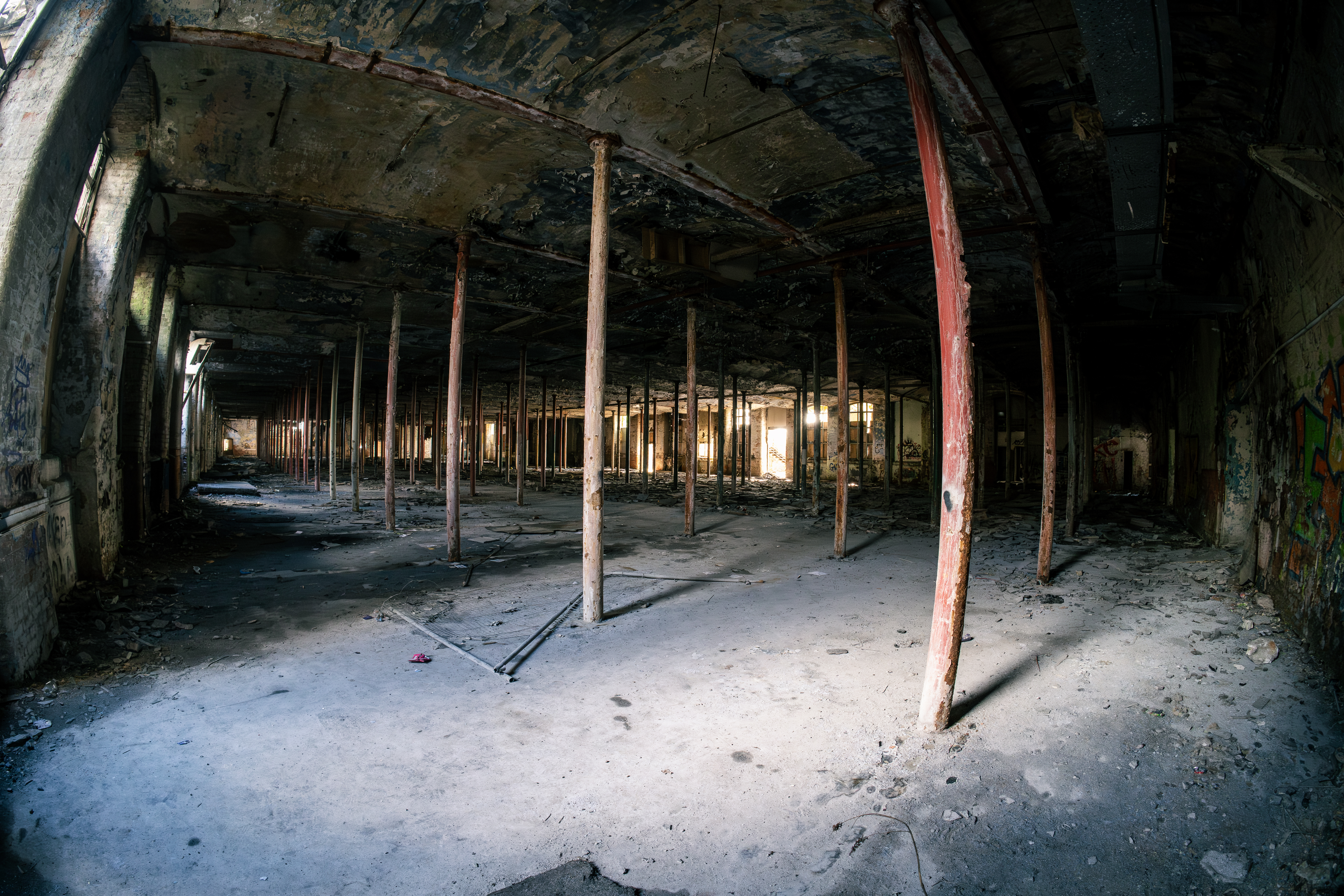
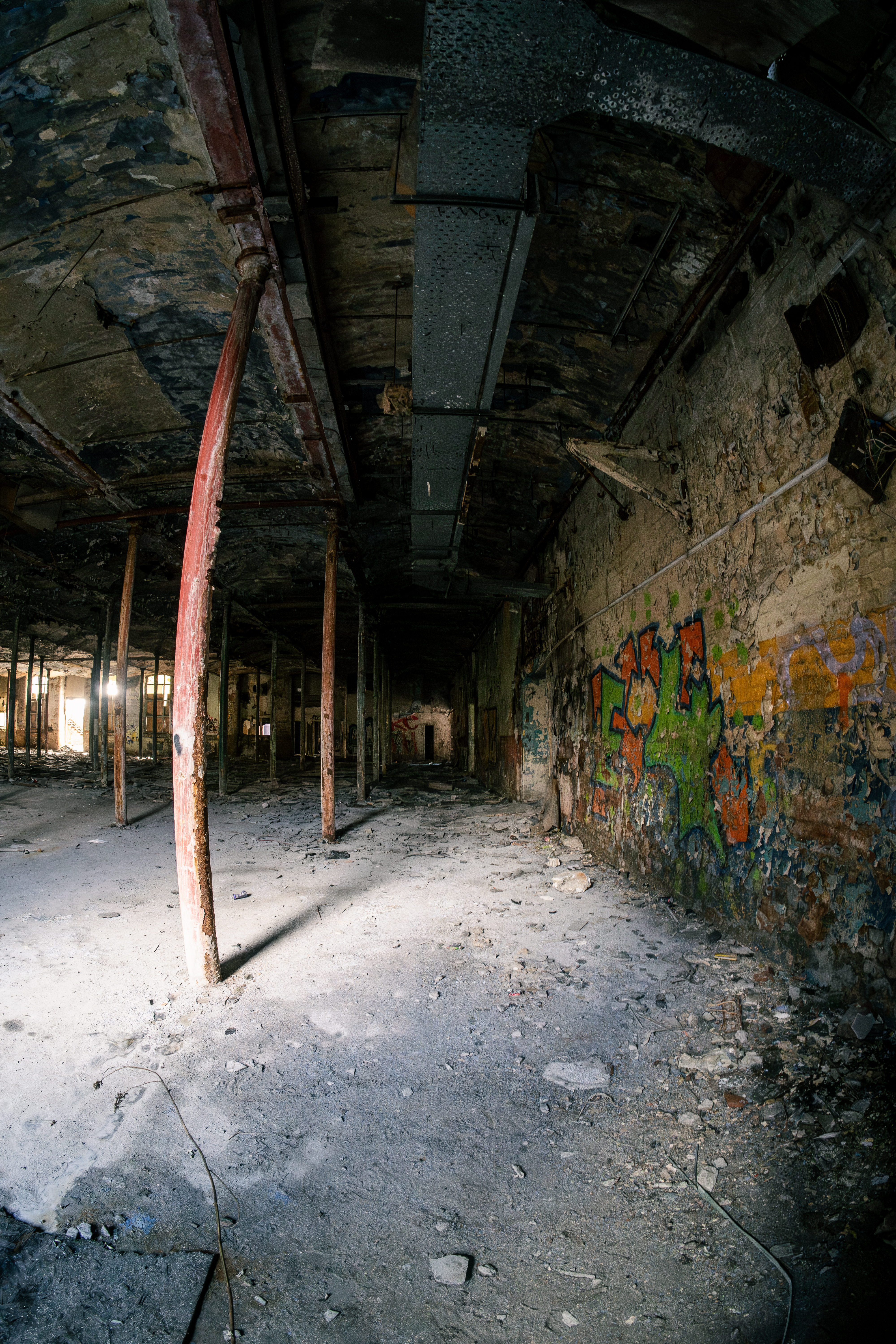
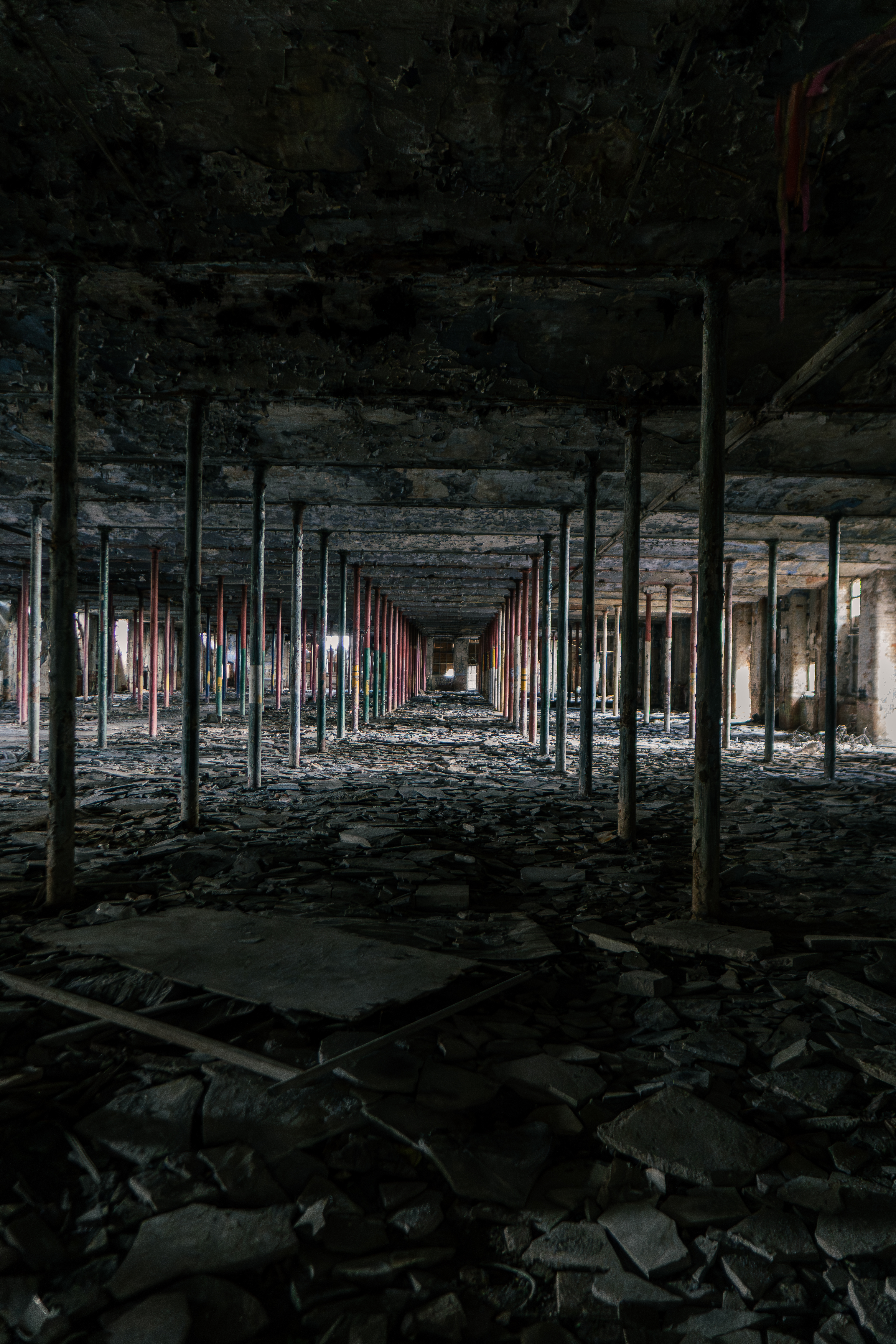
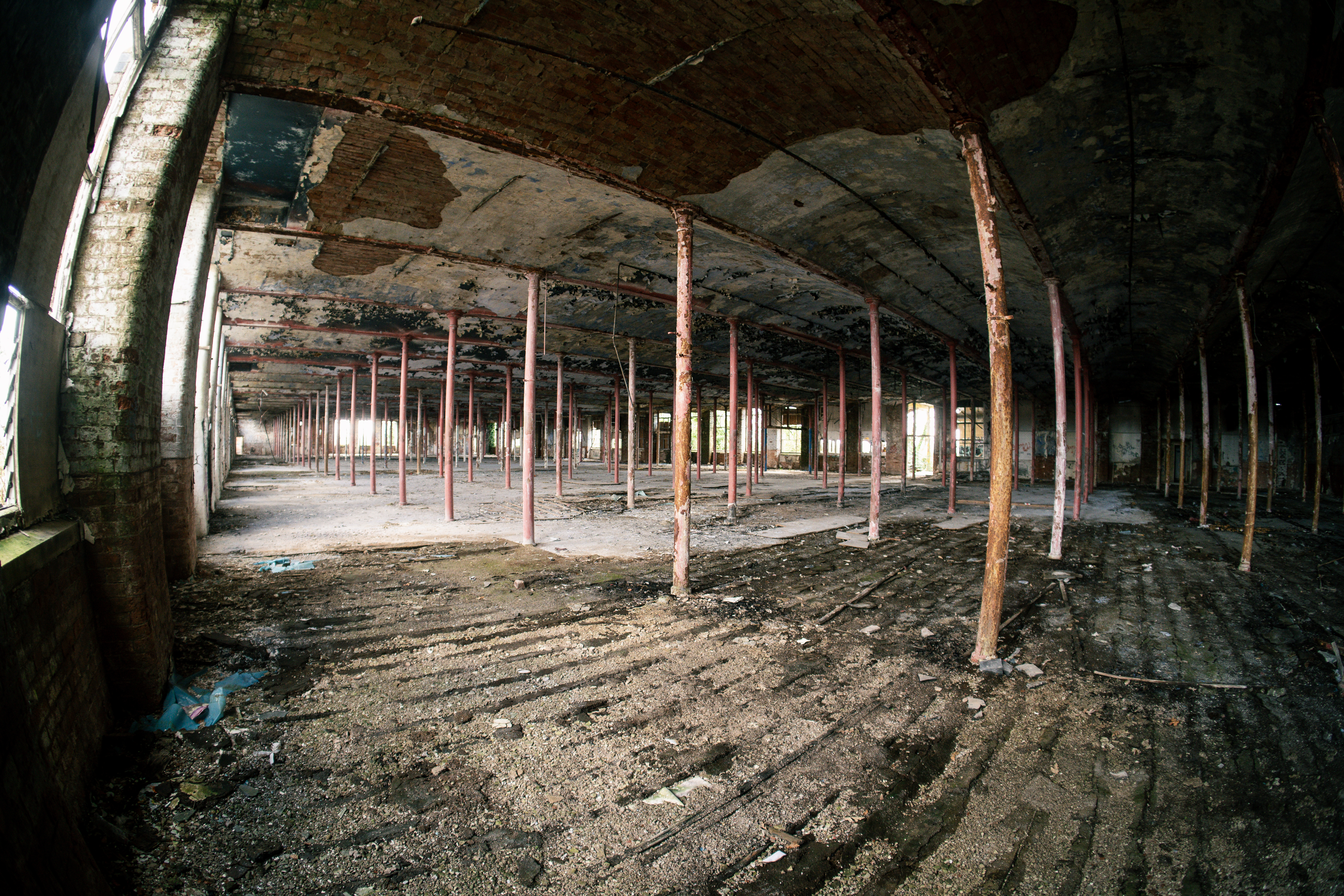
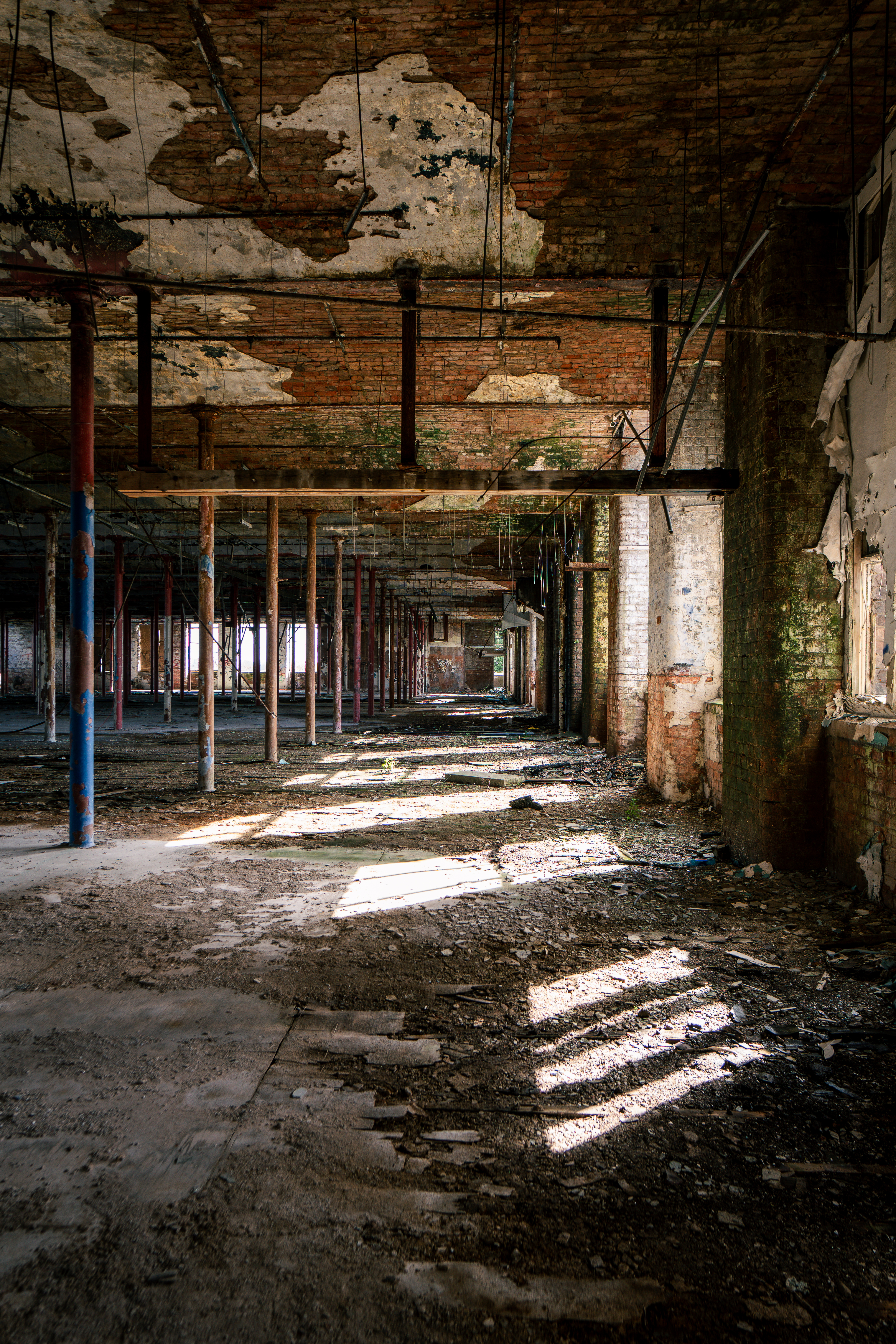
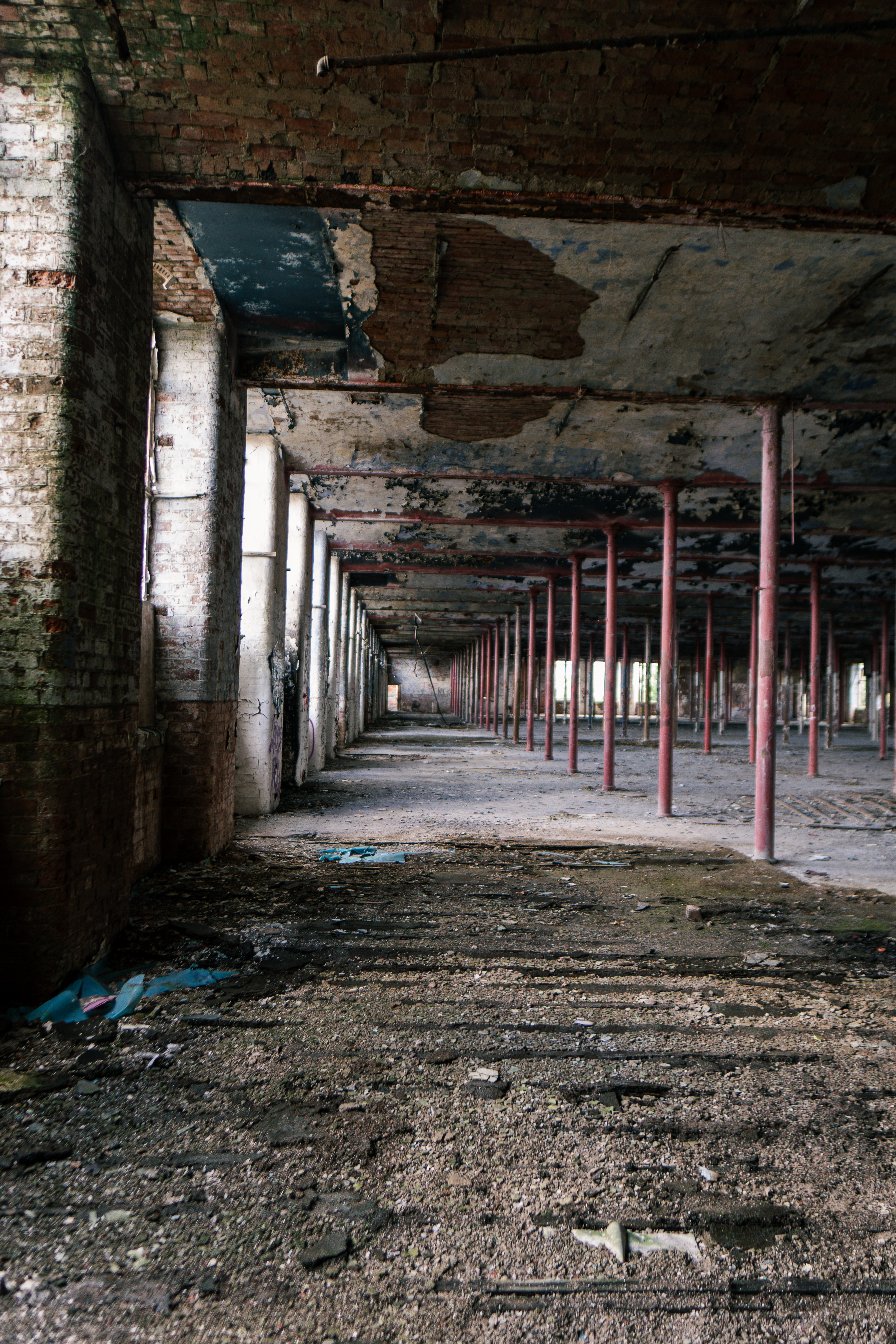
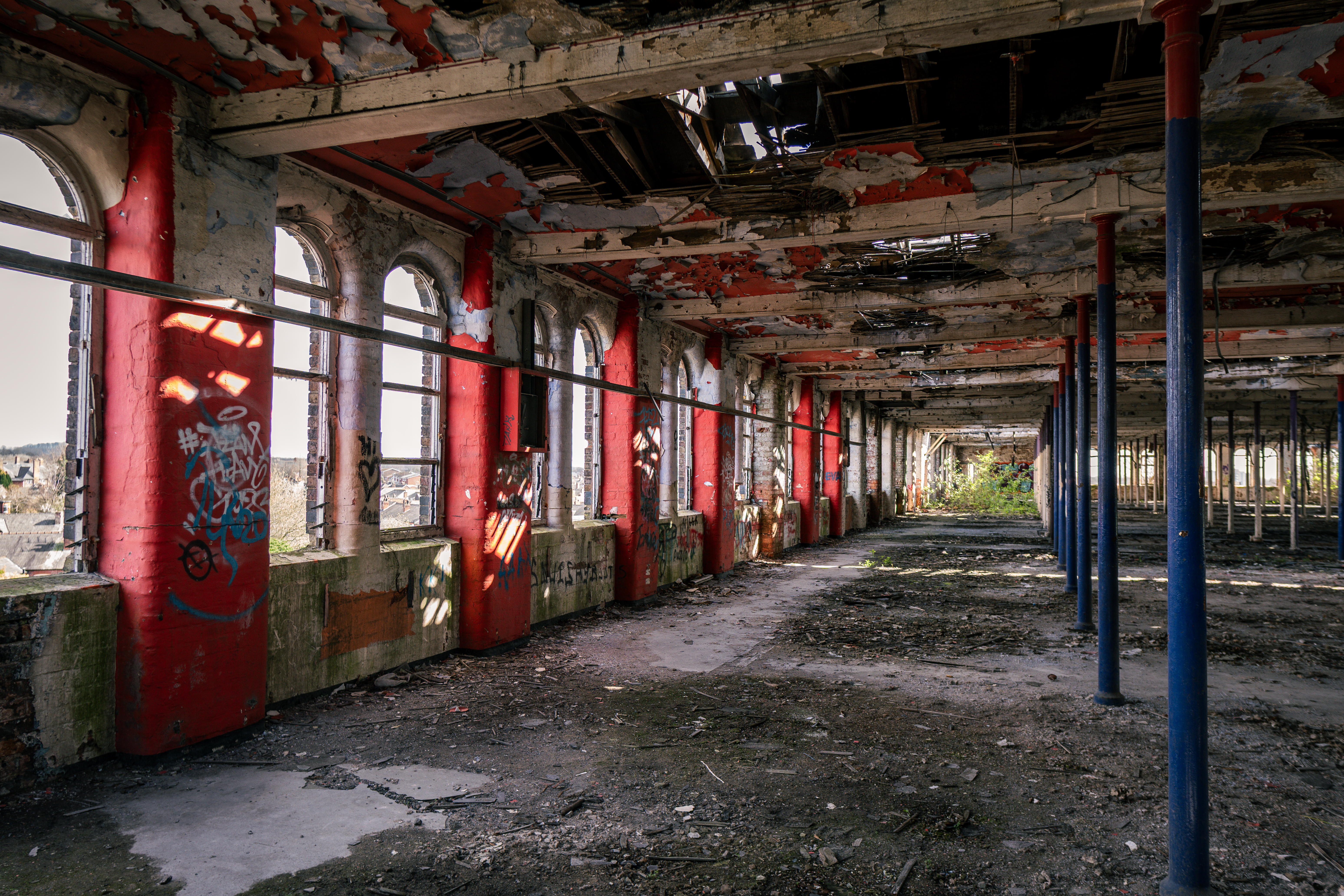
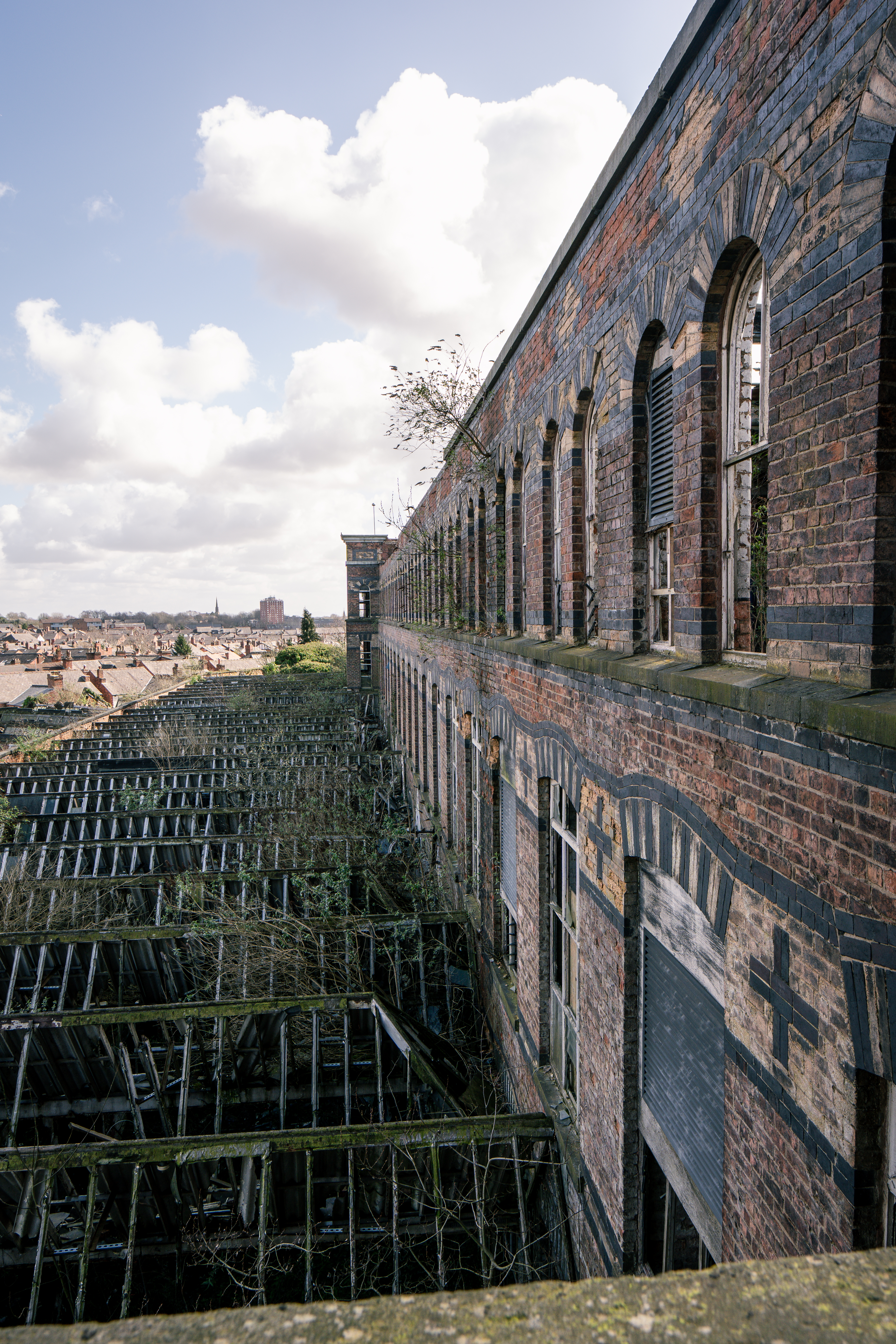
Architecturally the complex reflects the robust character of Victorian mill construction. Built primarily of red brick with tall arched windows and large multi-storey working floors supported by cast-iron columns, the structure combined practical industrial design with a commanding presence in the landscape. The scale of its internal spaces was dictated by the requirements of mechanised textile production, allowing for long rows of spinning frames and power looms driven by steam engines housed within the adjacent engine house and boiler facilities.
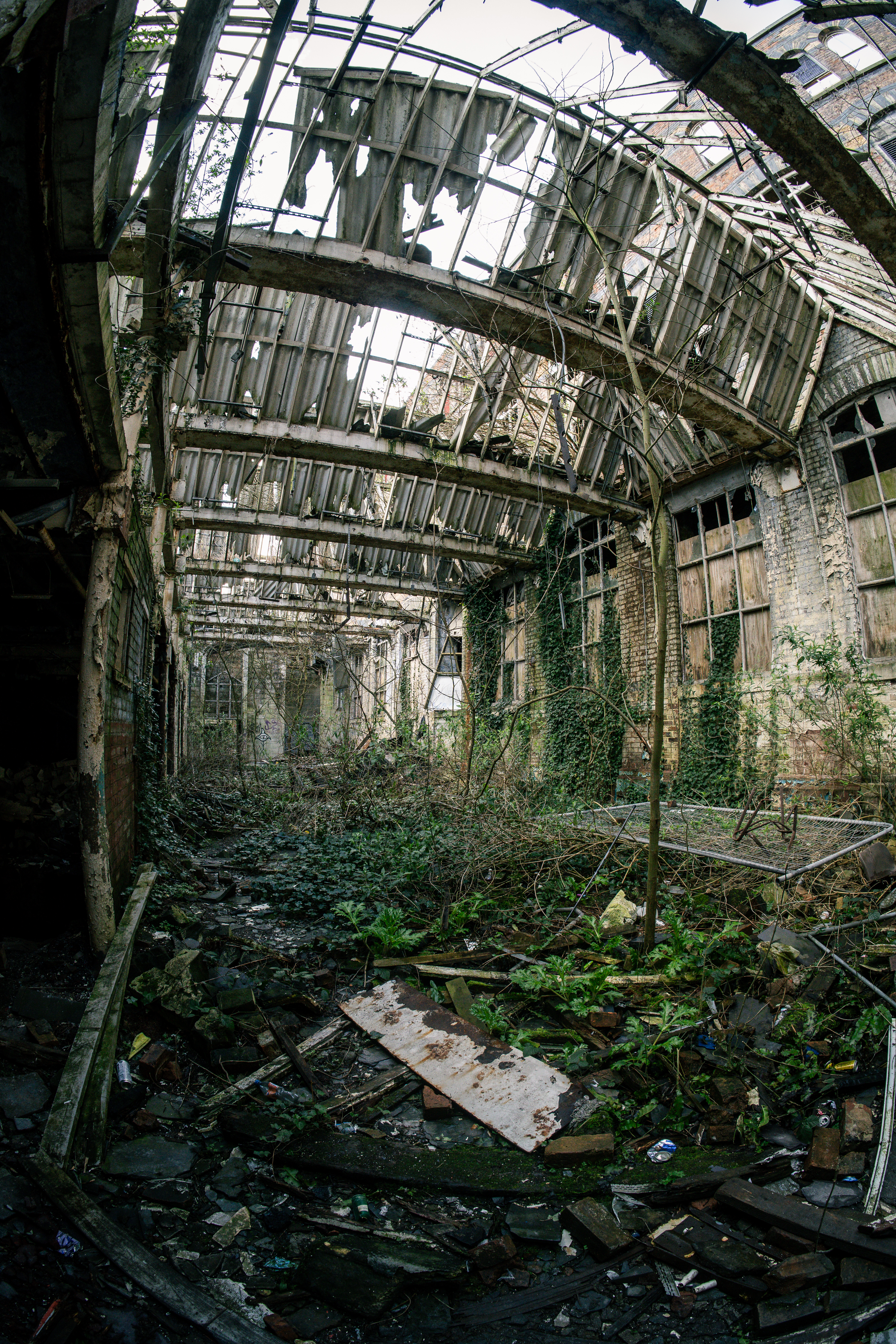
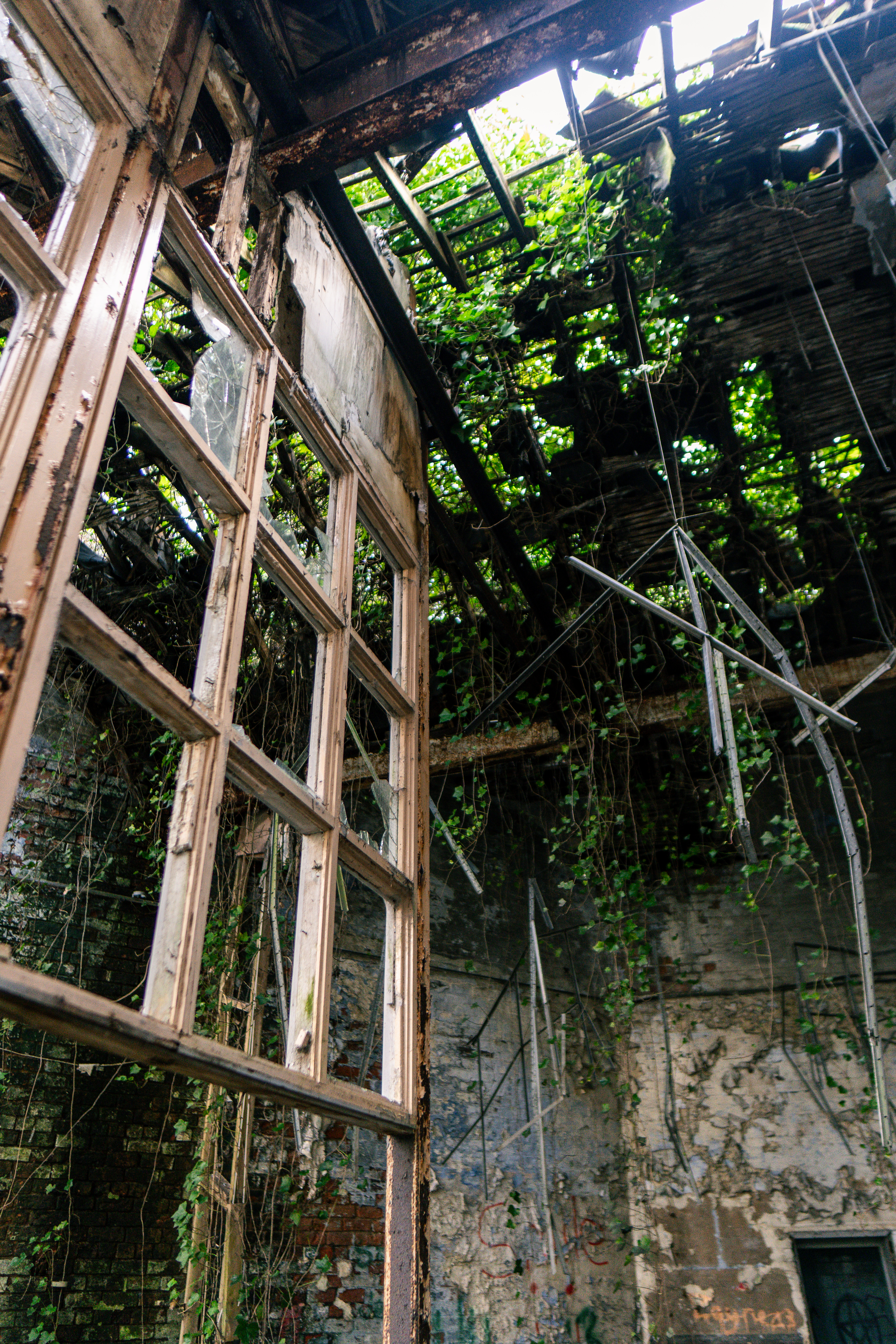
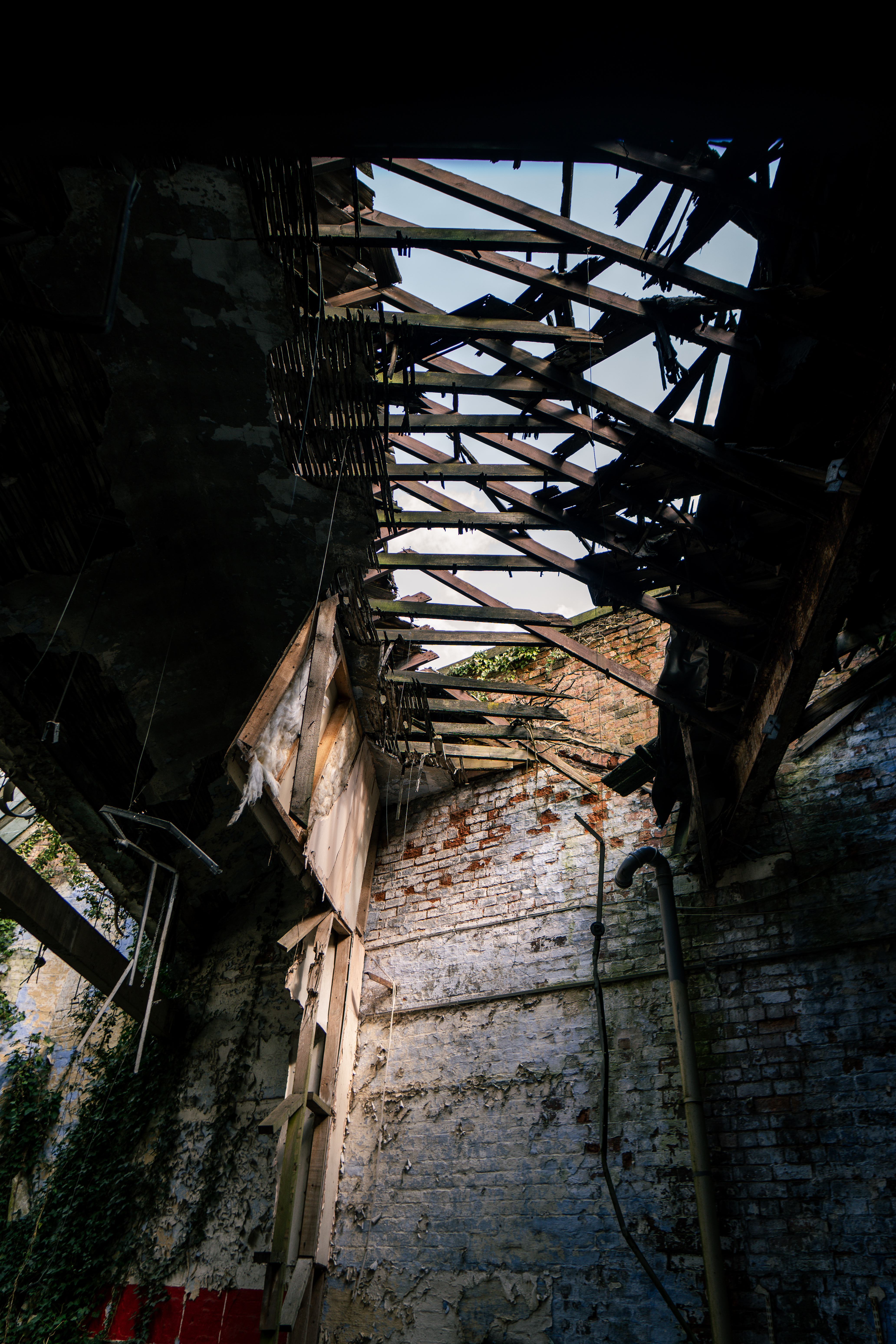
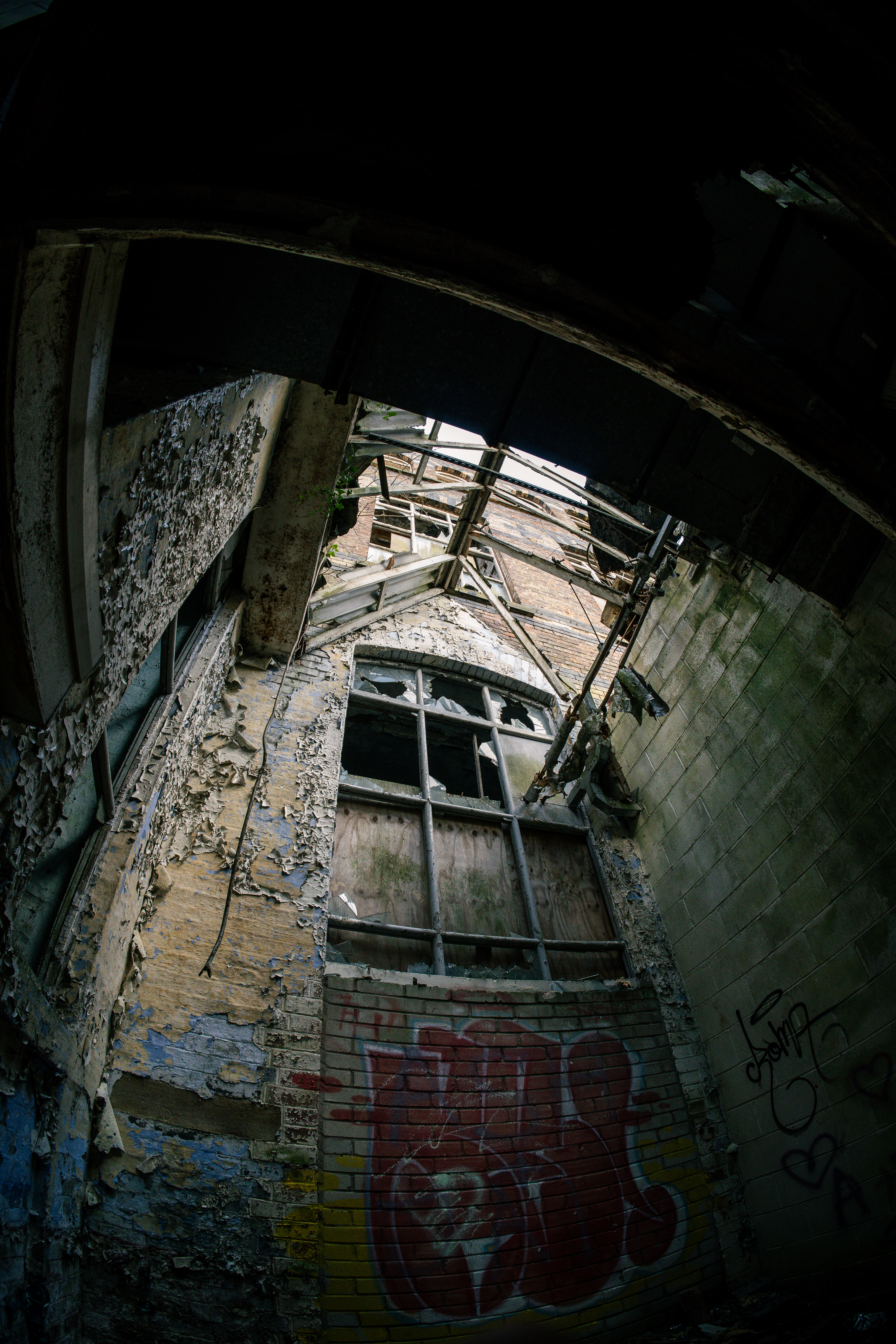
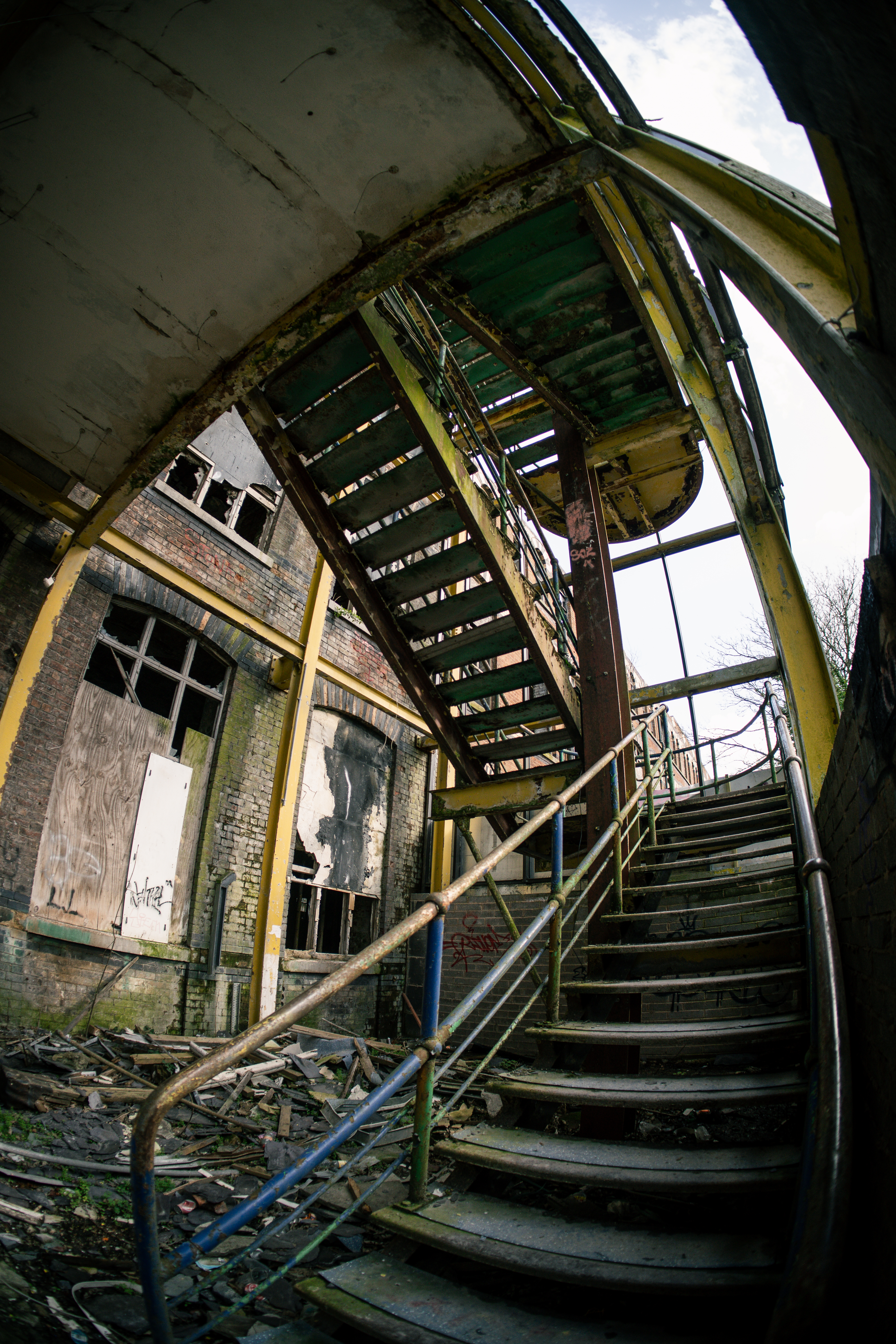
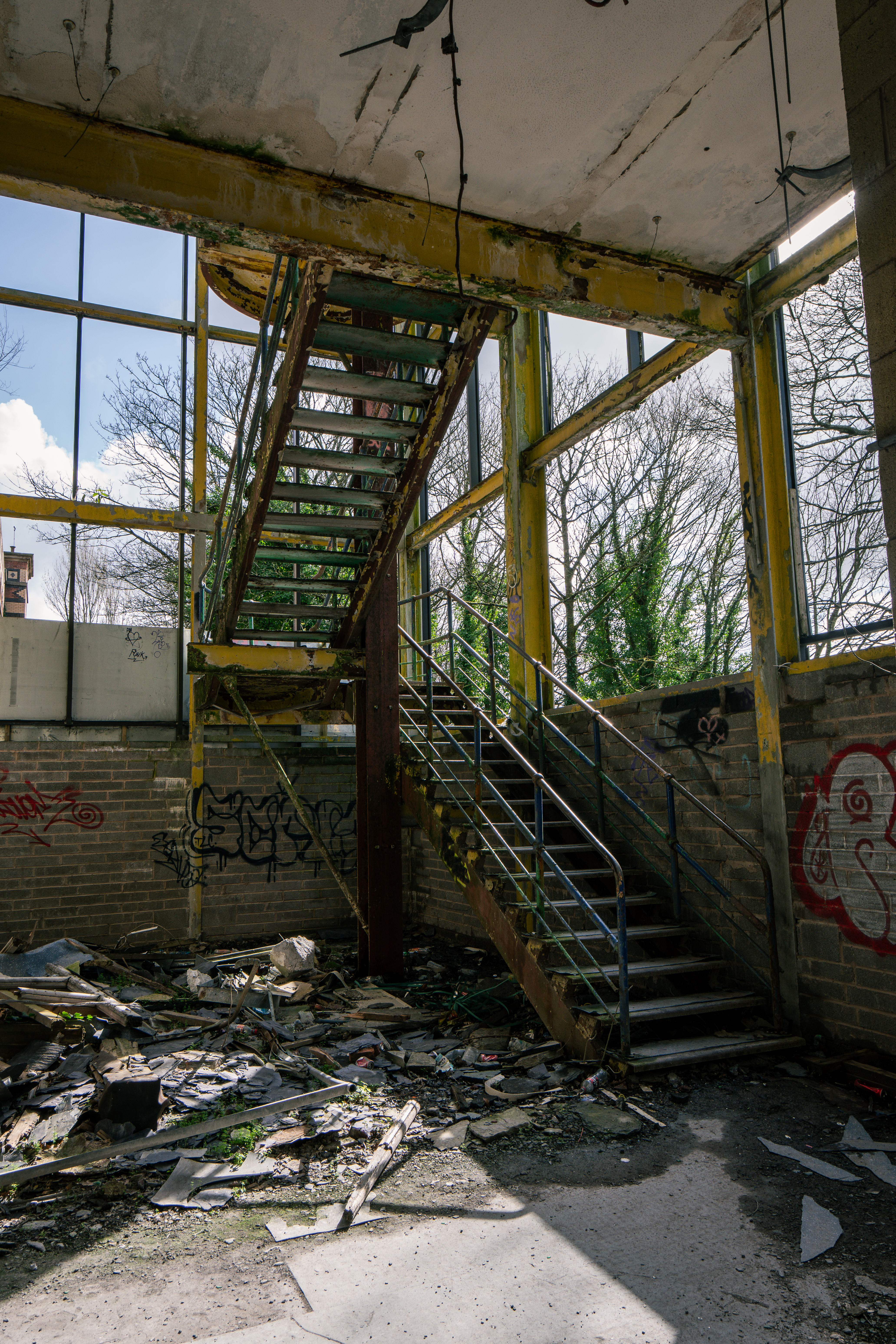
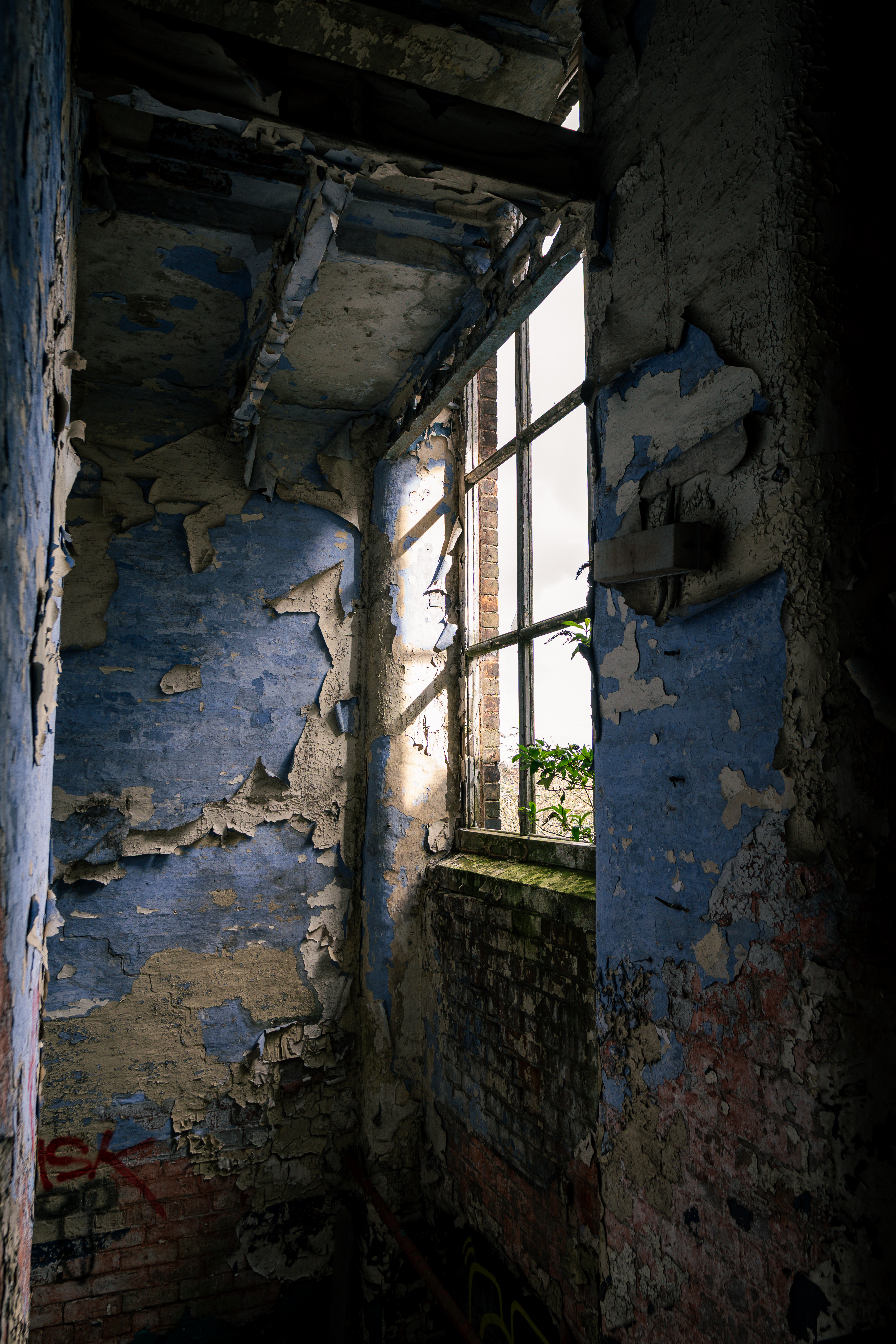
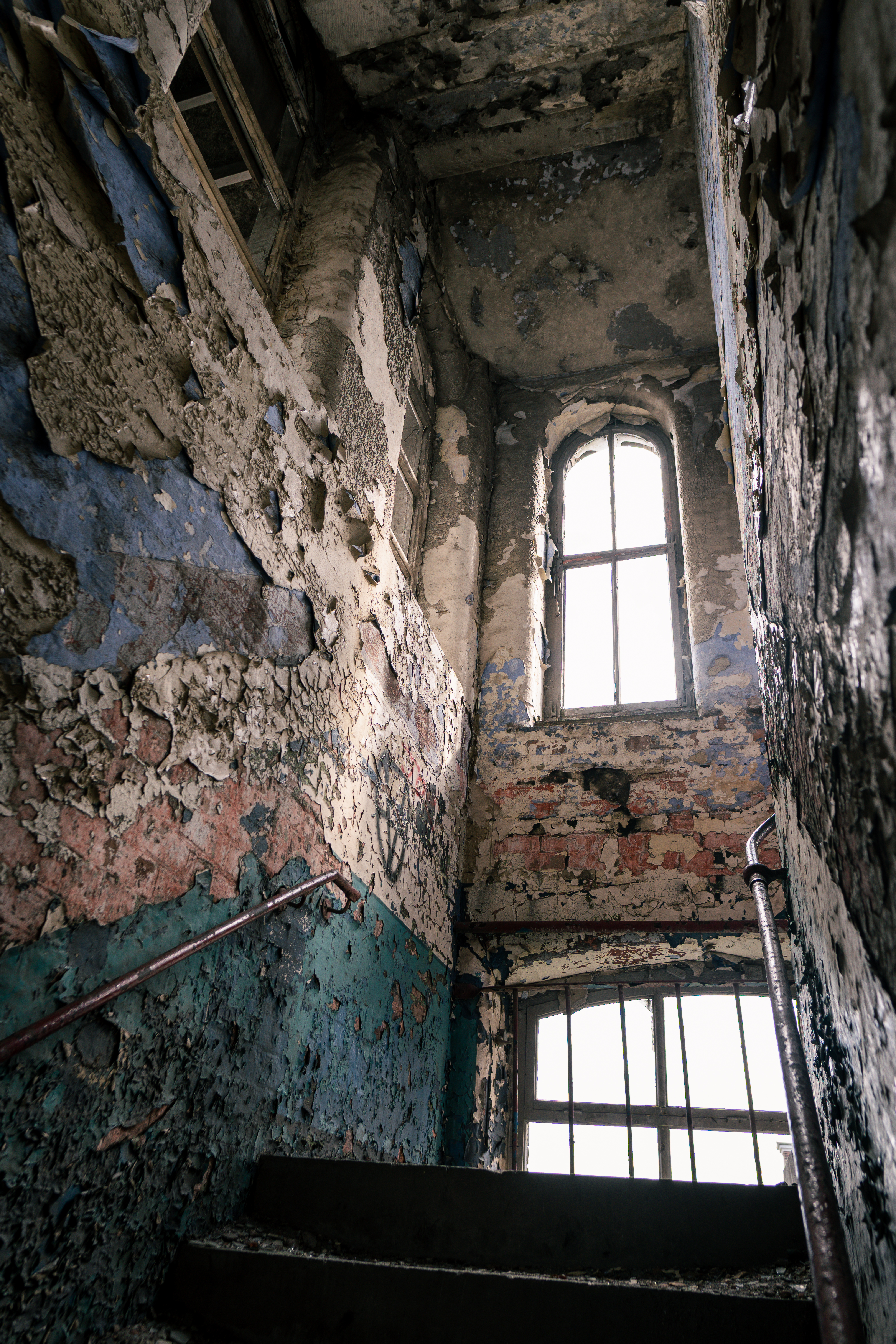
Although the textile machinery has long since disappeared and cotton production in the region declined during the twentieth century, the building itself remained in use for several decades after its industrial life ended. In the later twentieth century the complex was adapted for educational use by Wigan and Leigh College, where it became widely known locally as the Pagefield building. Following the college’s relocation in the early twenty-first century the site was vacated and has since entered a prolonged period of dereliction. Today the structure survives as a prominent industrial landmark overlooking Mesnes Park, its deteriorating fabric reflecting both the immense scale of Victorian textile manufacturing and the broader decline of Lancashire’s mill industry.
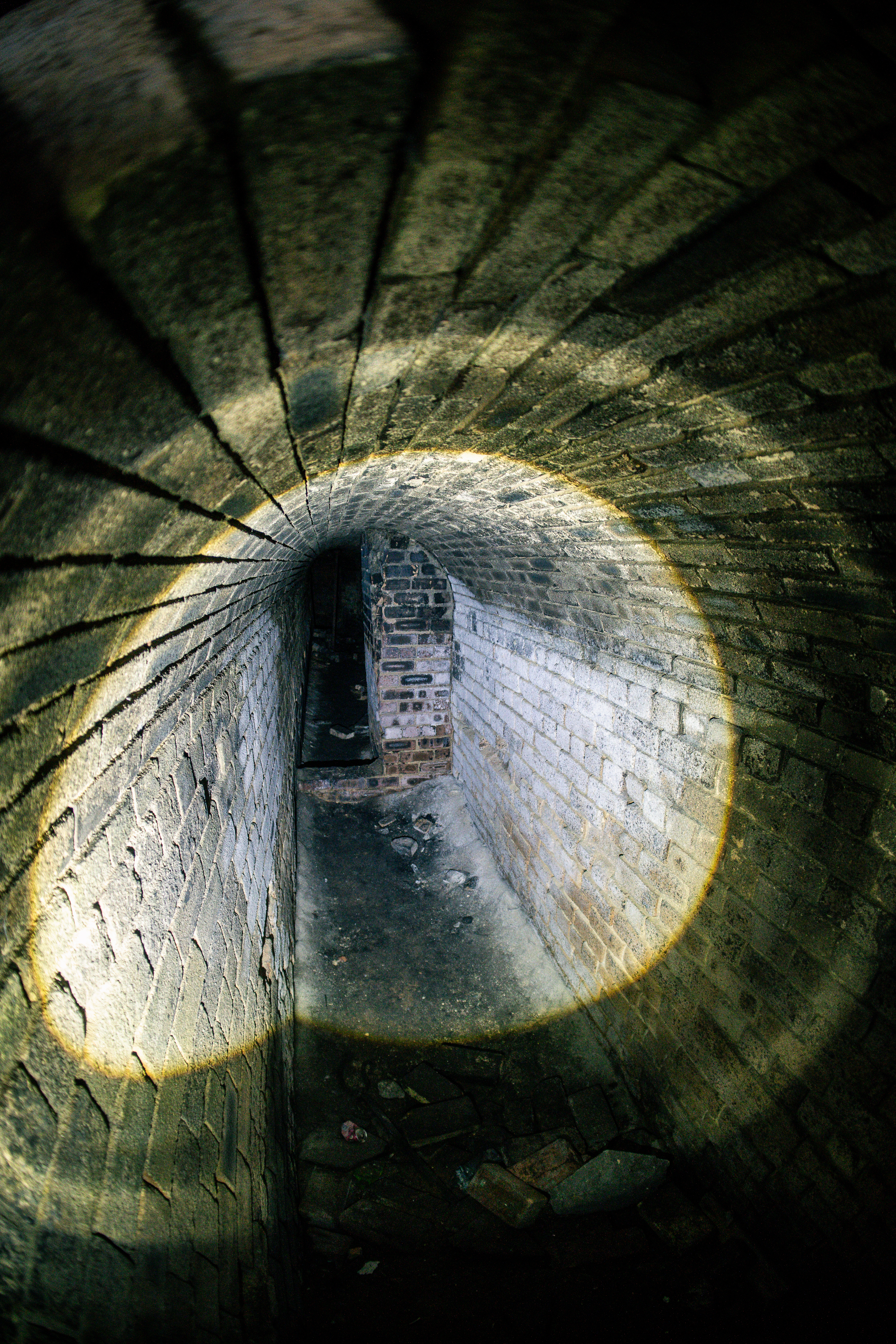
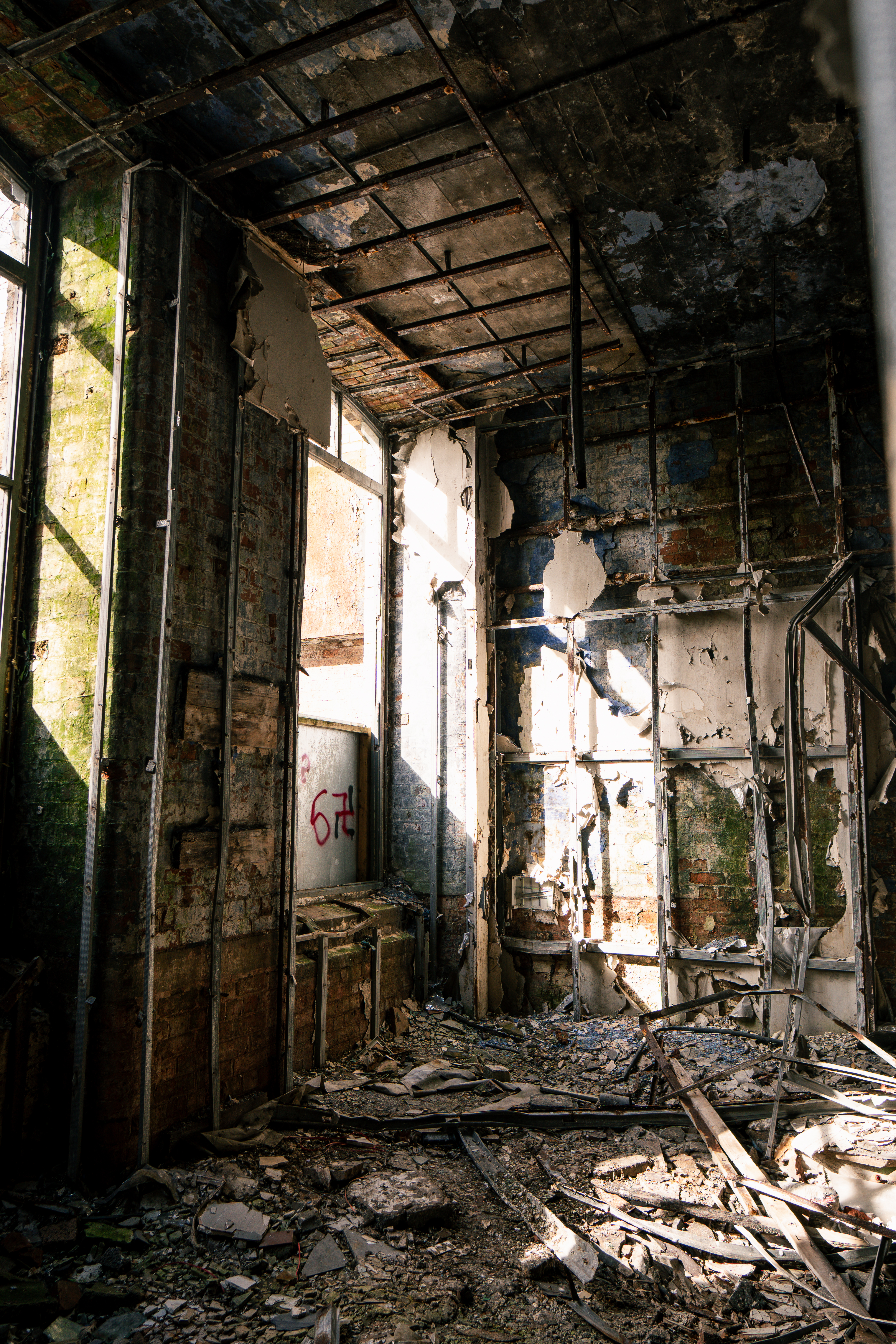
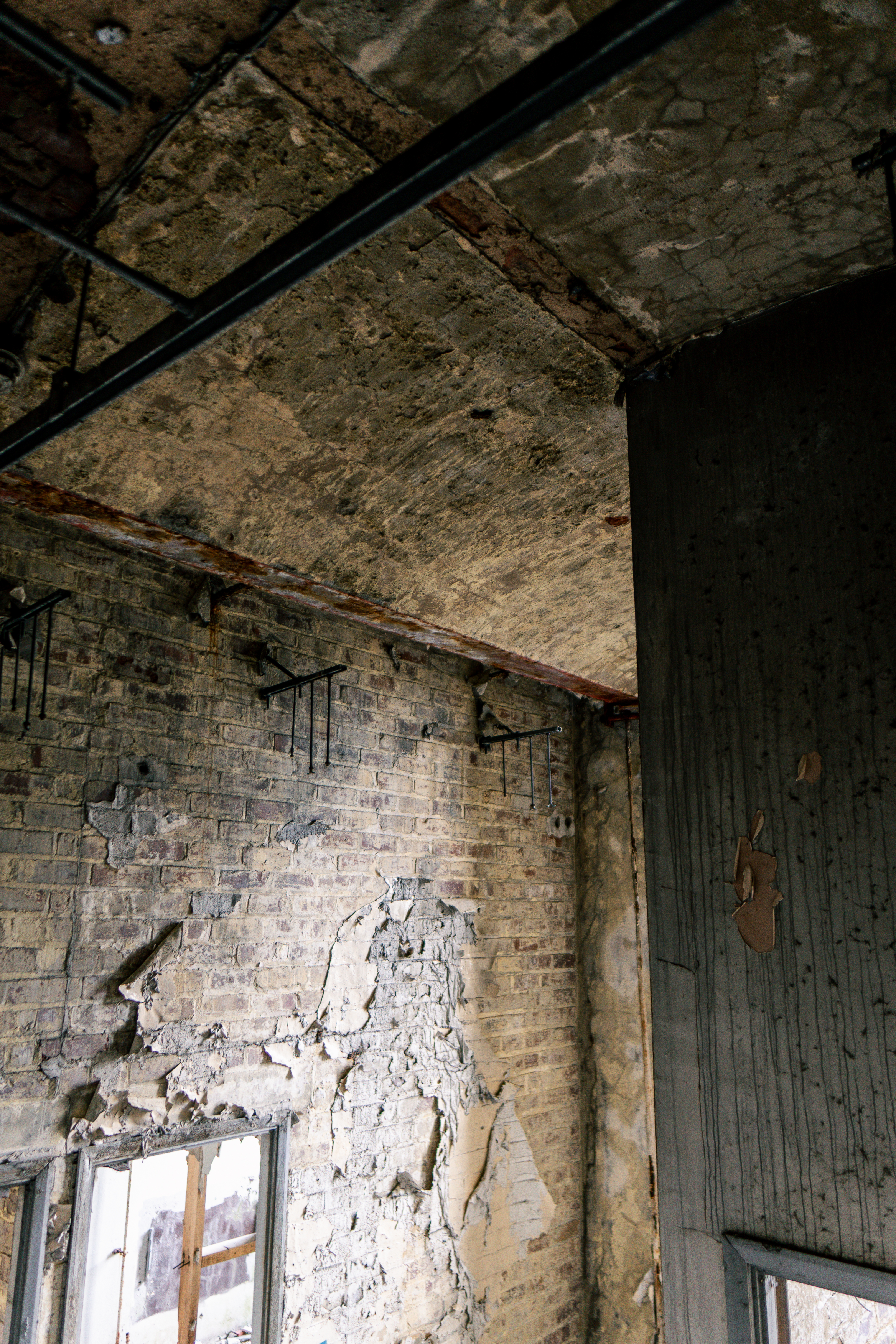
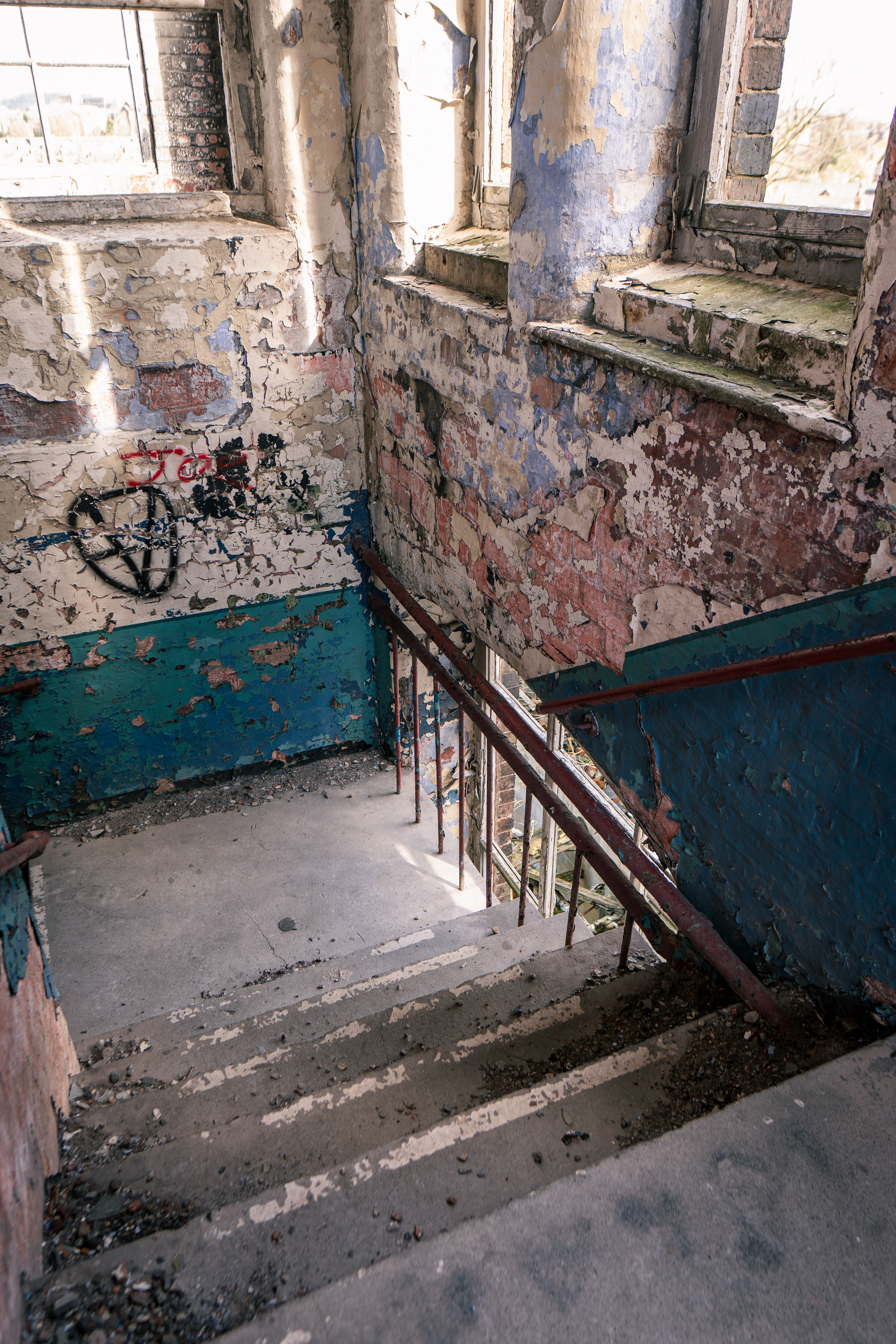
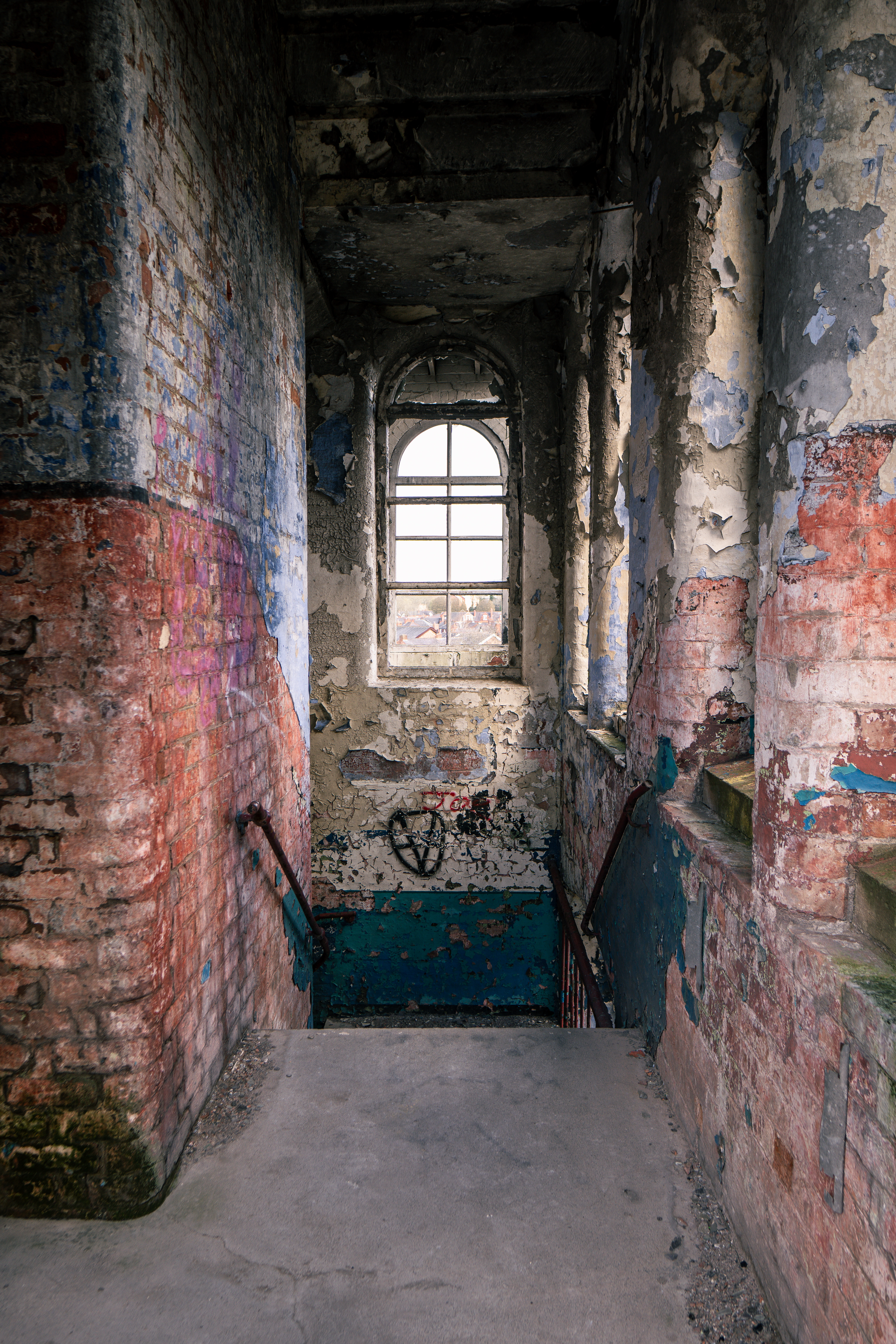
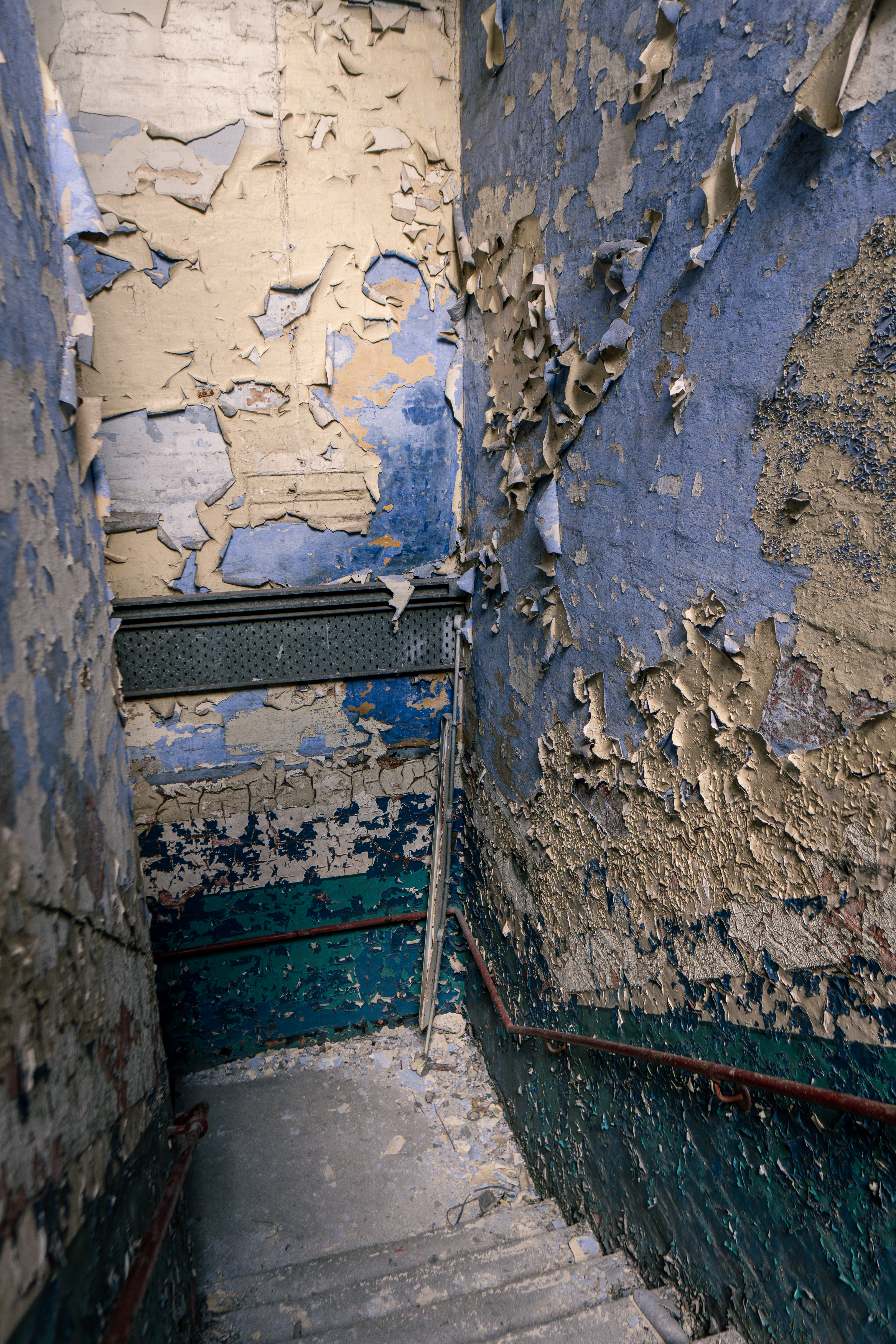
In recent years Rylands Mill has been heavily vandalised and a formal closure order was imposed a couple of years ago in an attempt to restrict access to the unstable structure. Despite the obvious damage and the general state of decay, the building still holds a surprising amount of character and scale inside, and overall it turned out to be a far better explore than expected.