Simpson Clough Mill - Haywood
28DaysLater Report - https://www.28dayslater.co.uk/threads/simpson-clough-mill-union-papertech-limited-heywood-april-2026.150772/
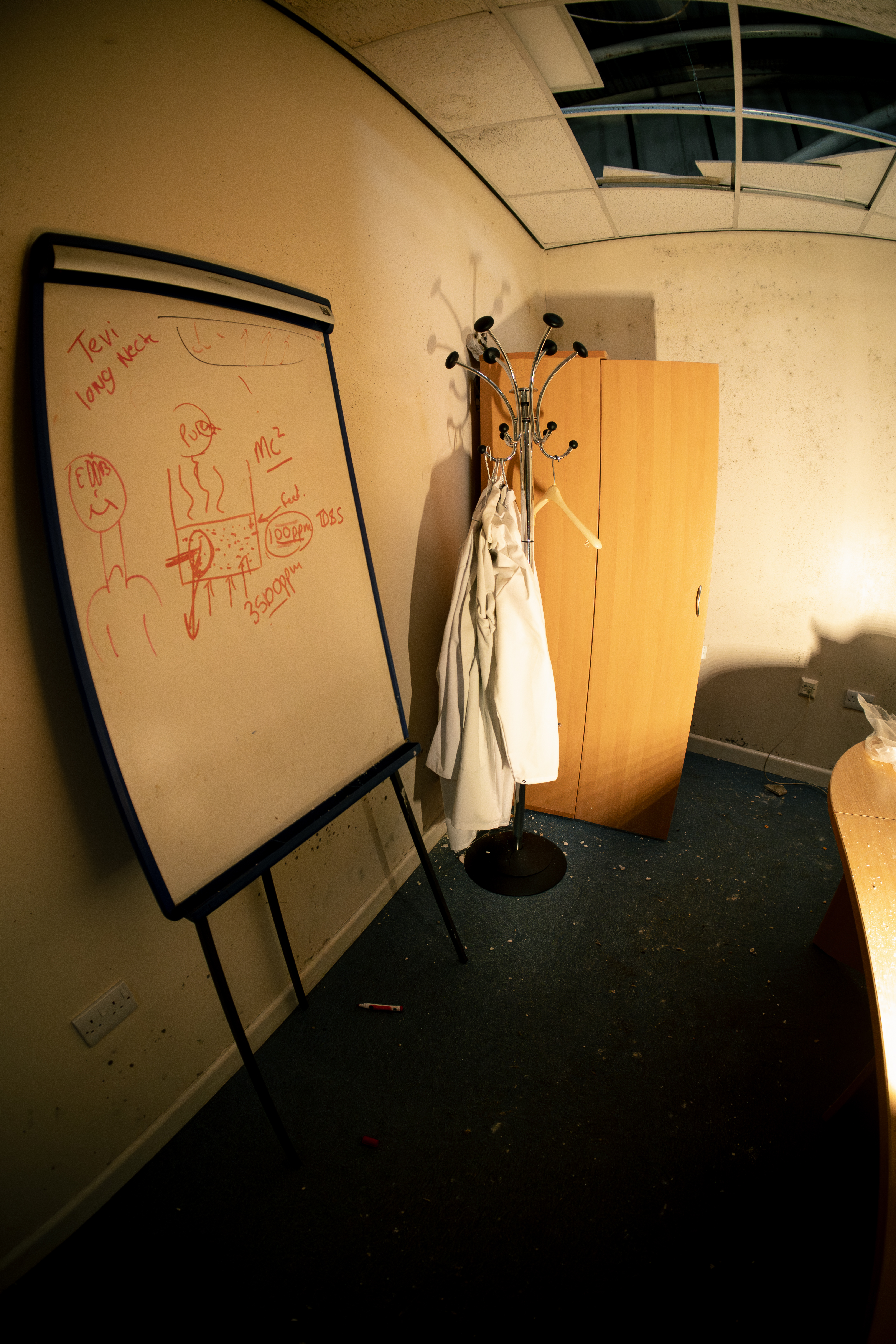
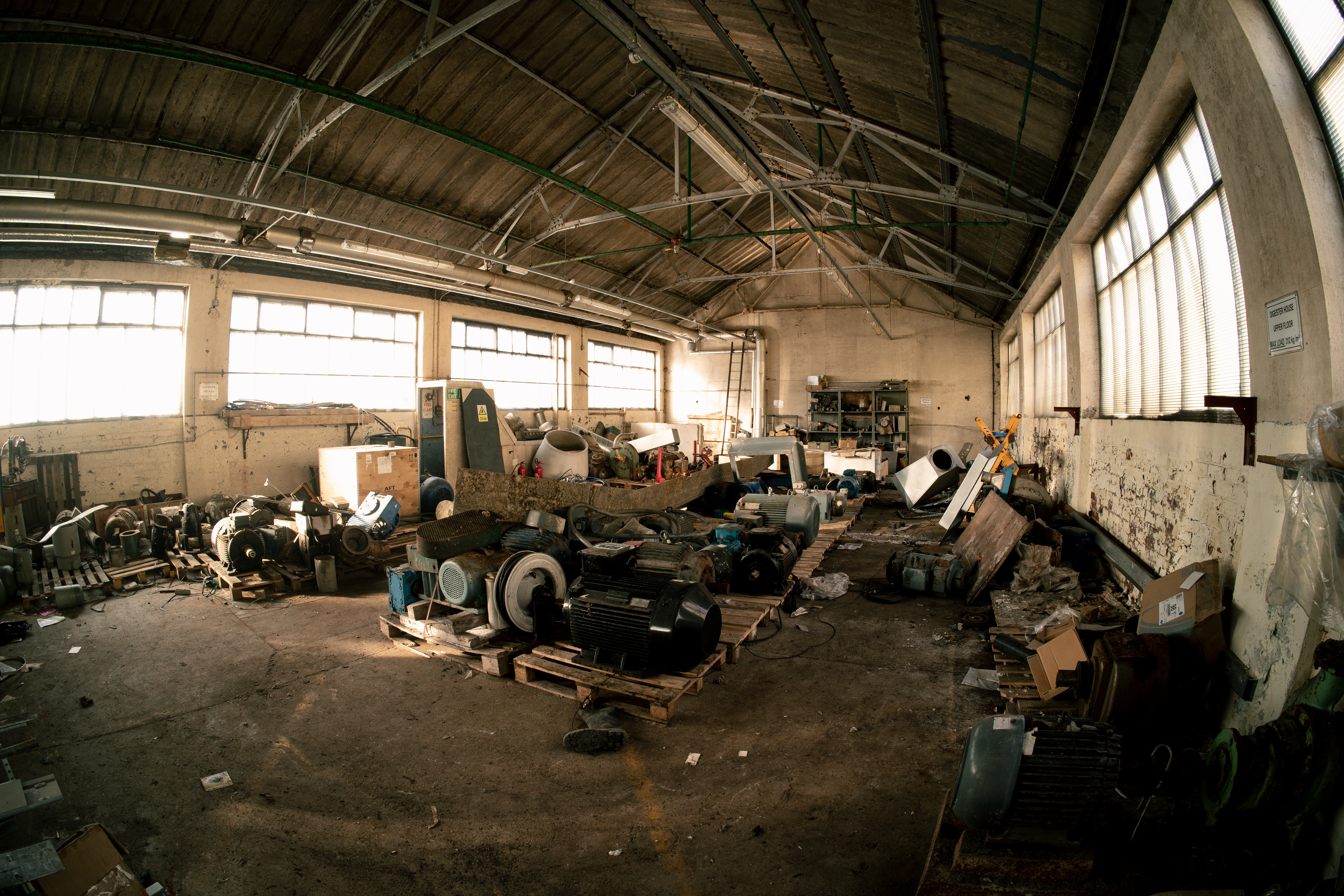
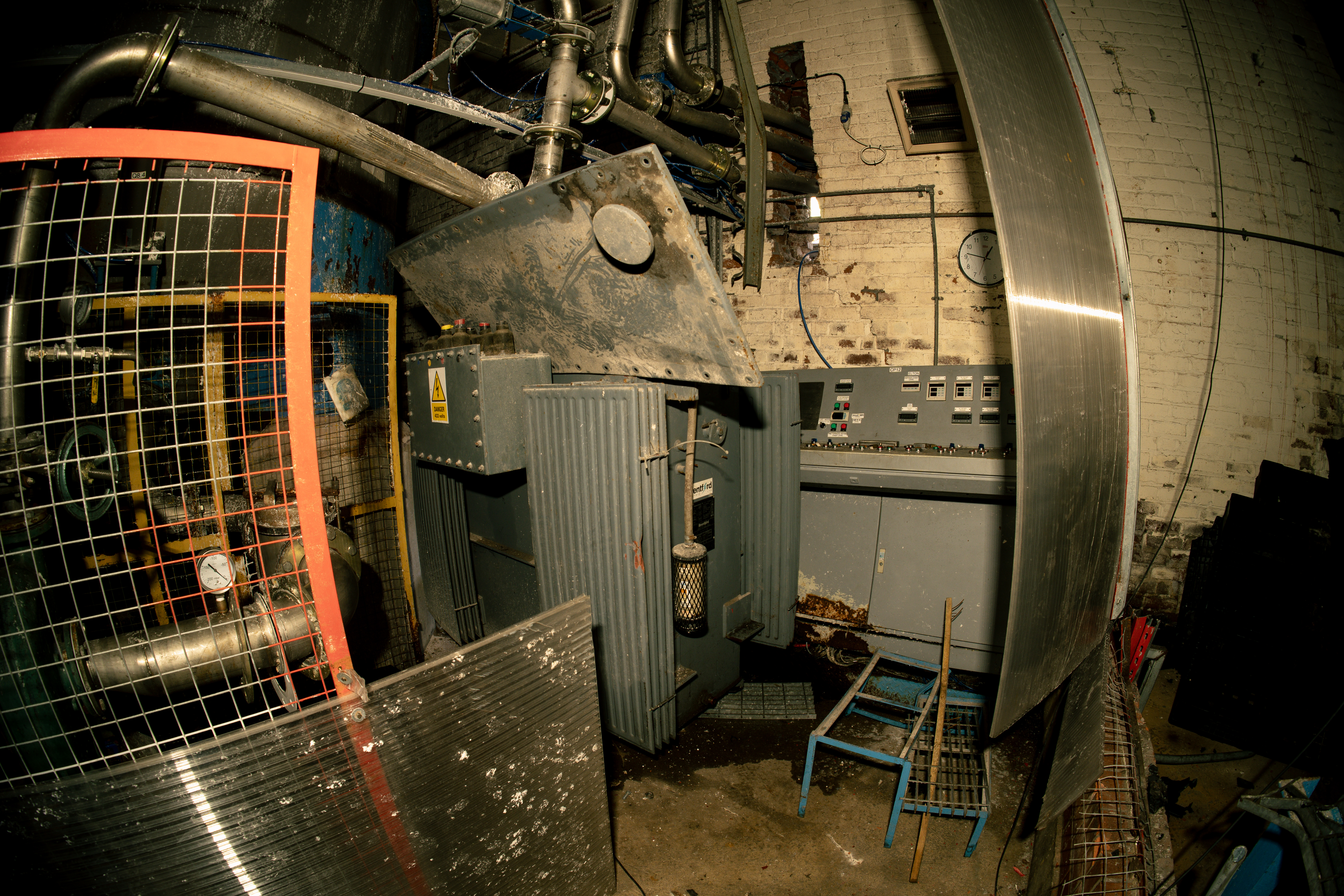
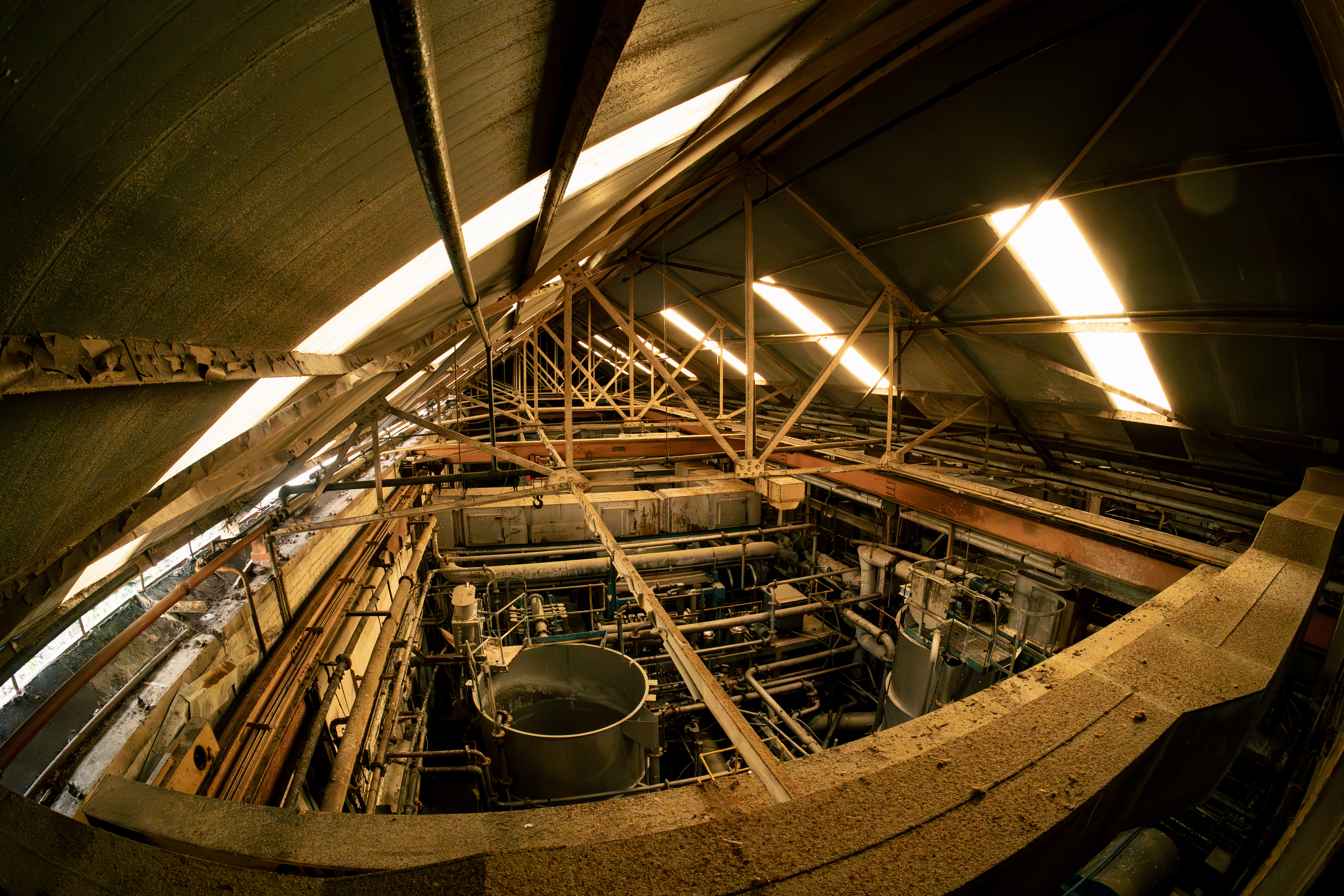
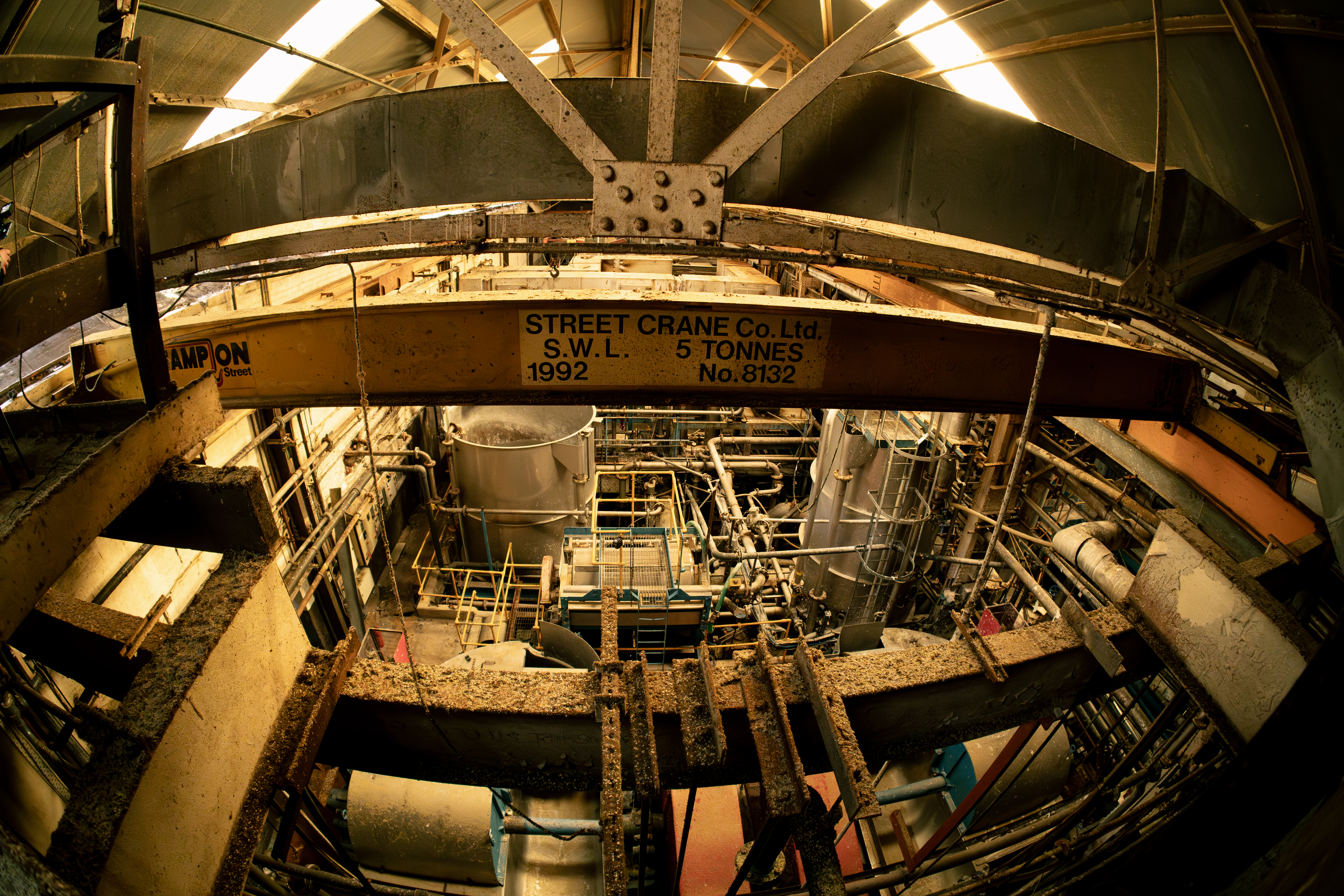
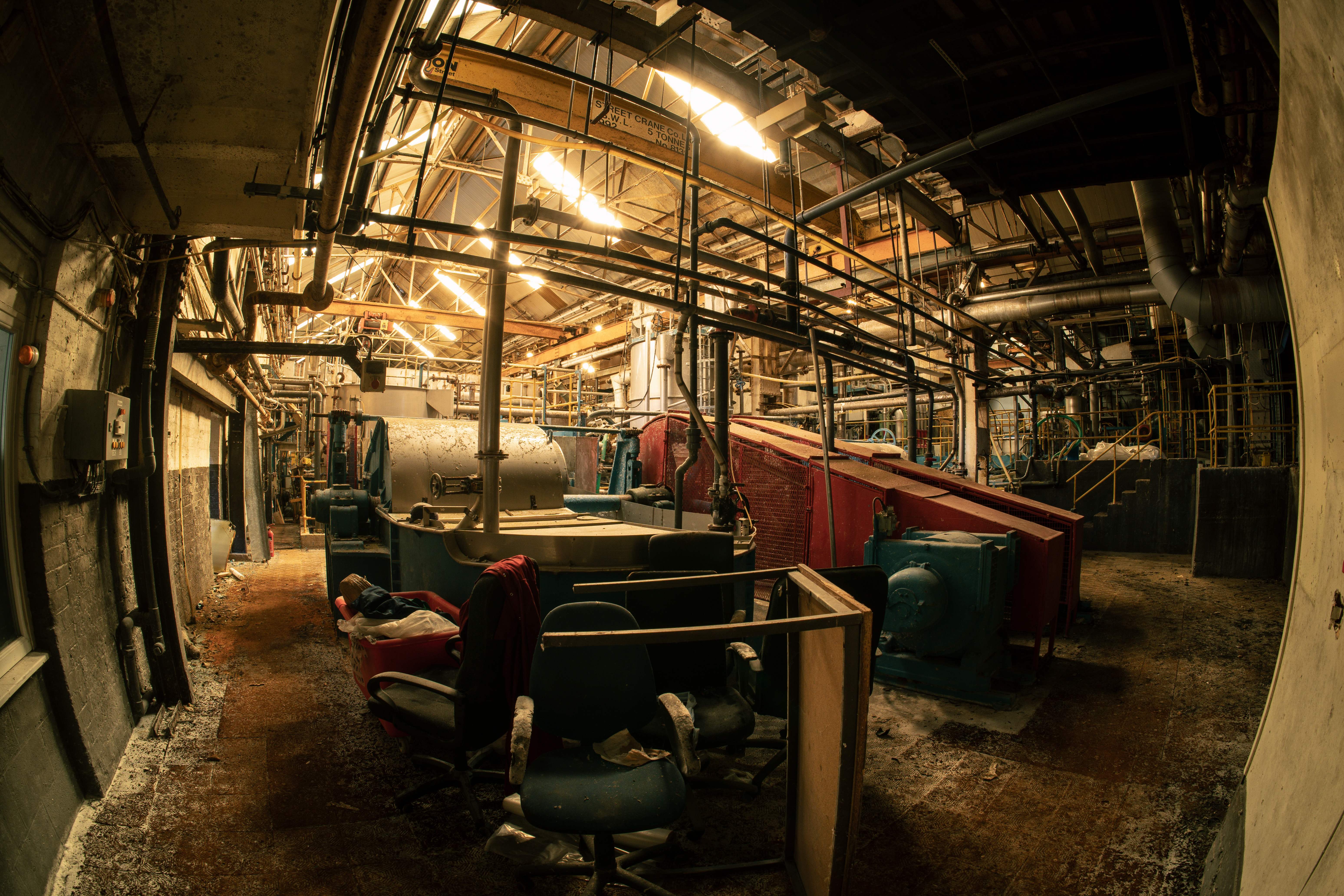
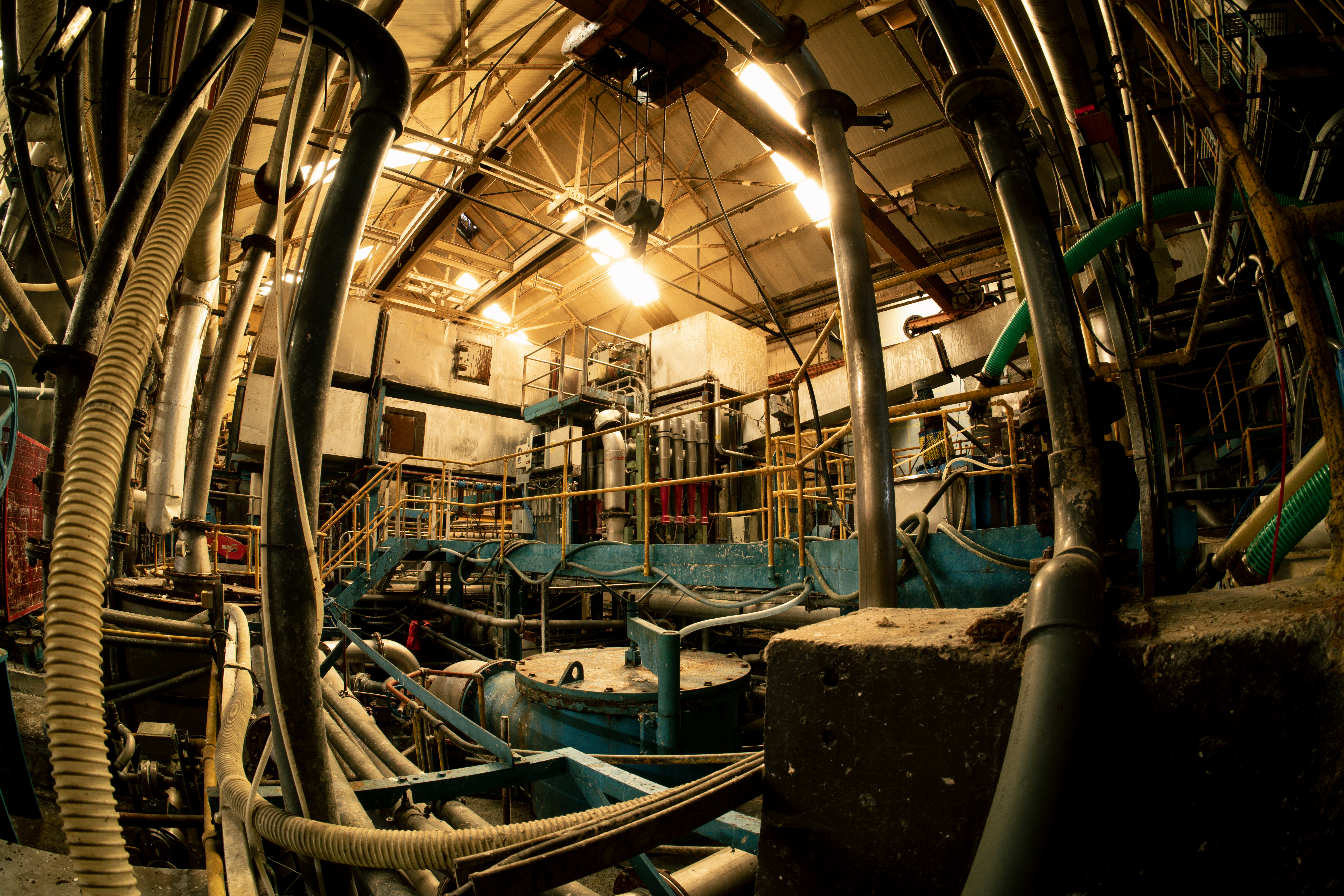
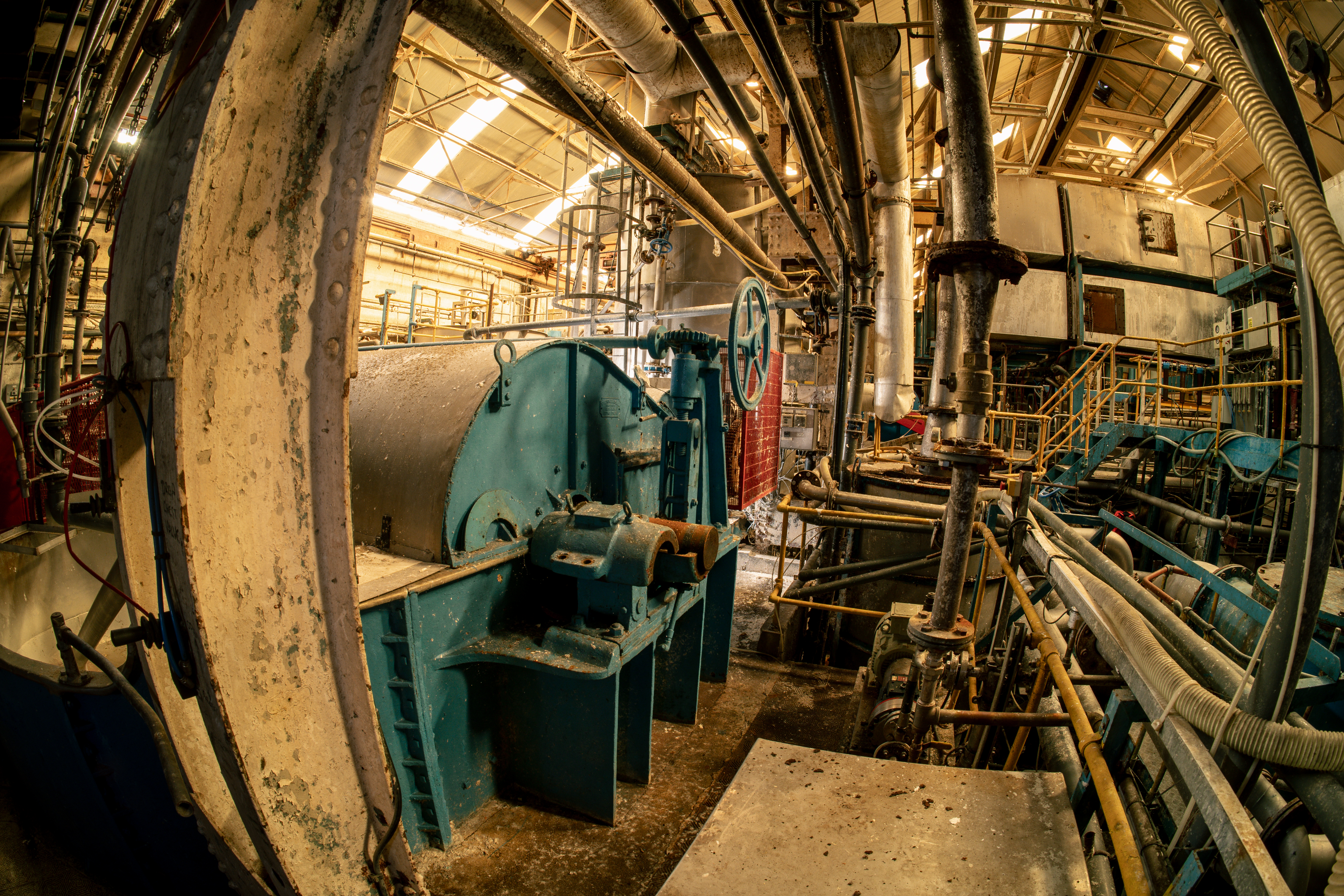
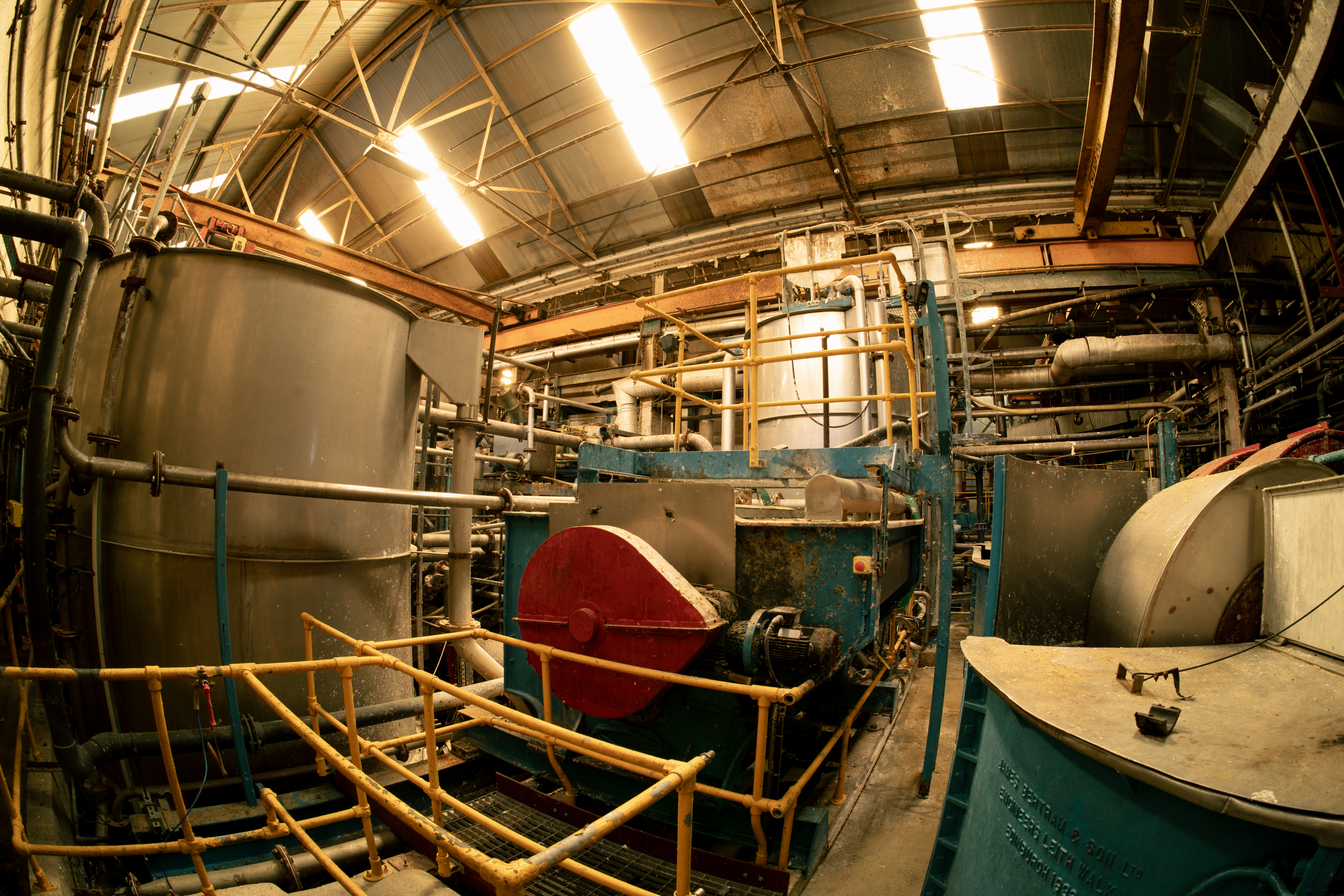
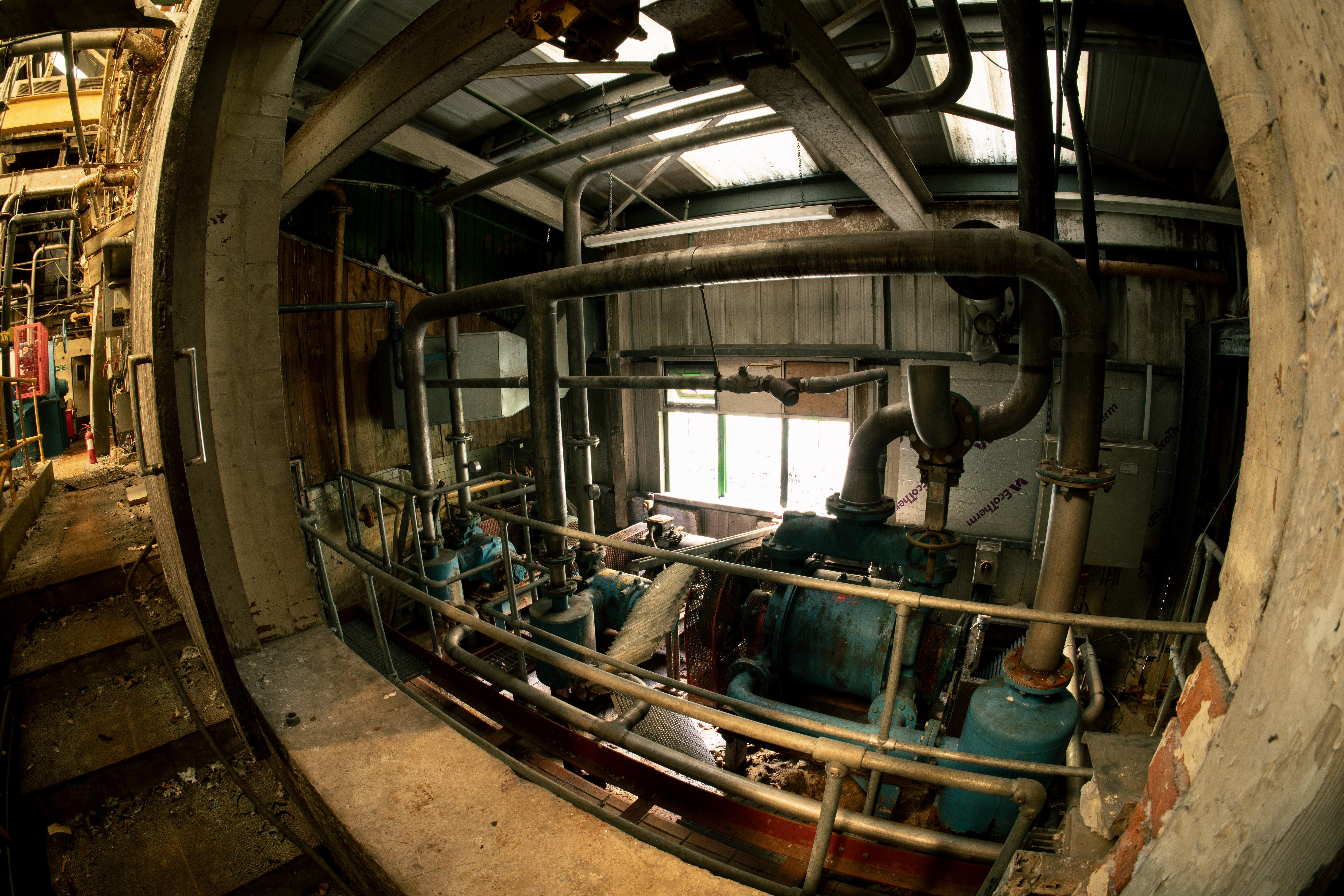
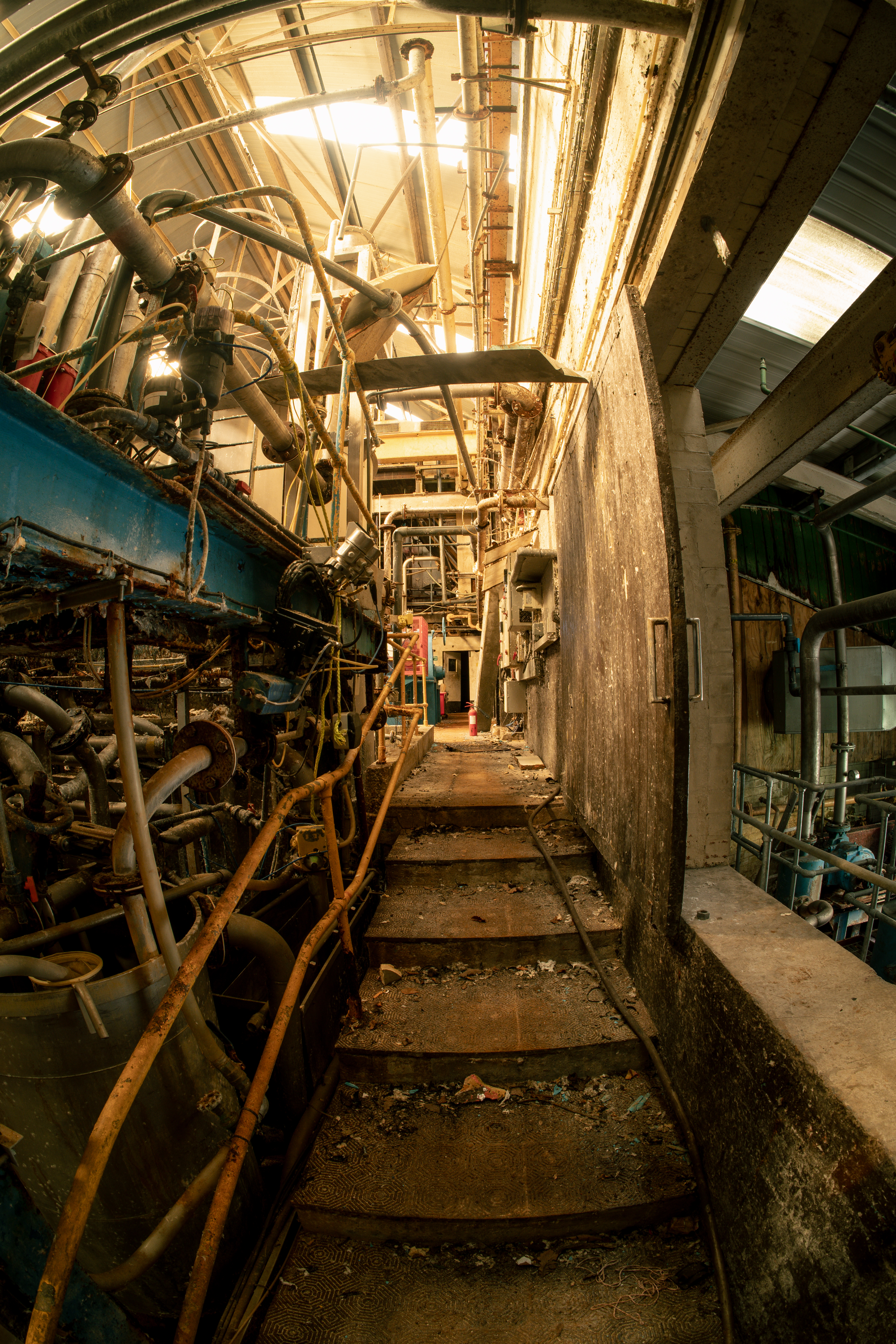
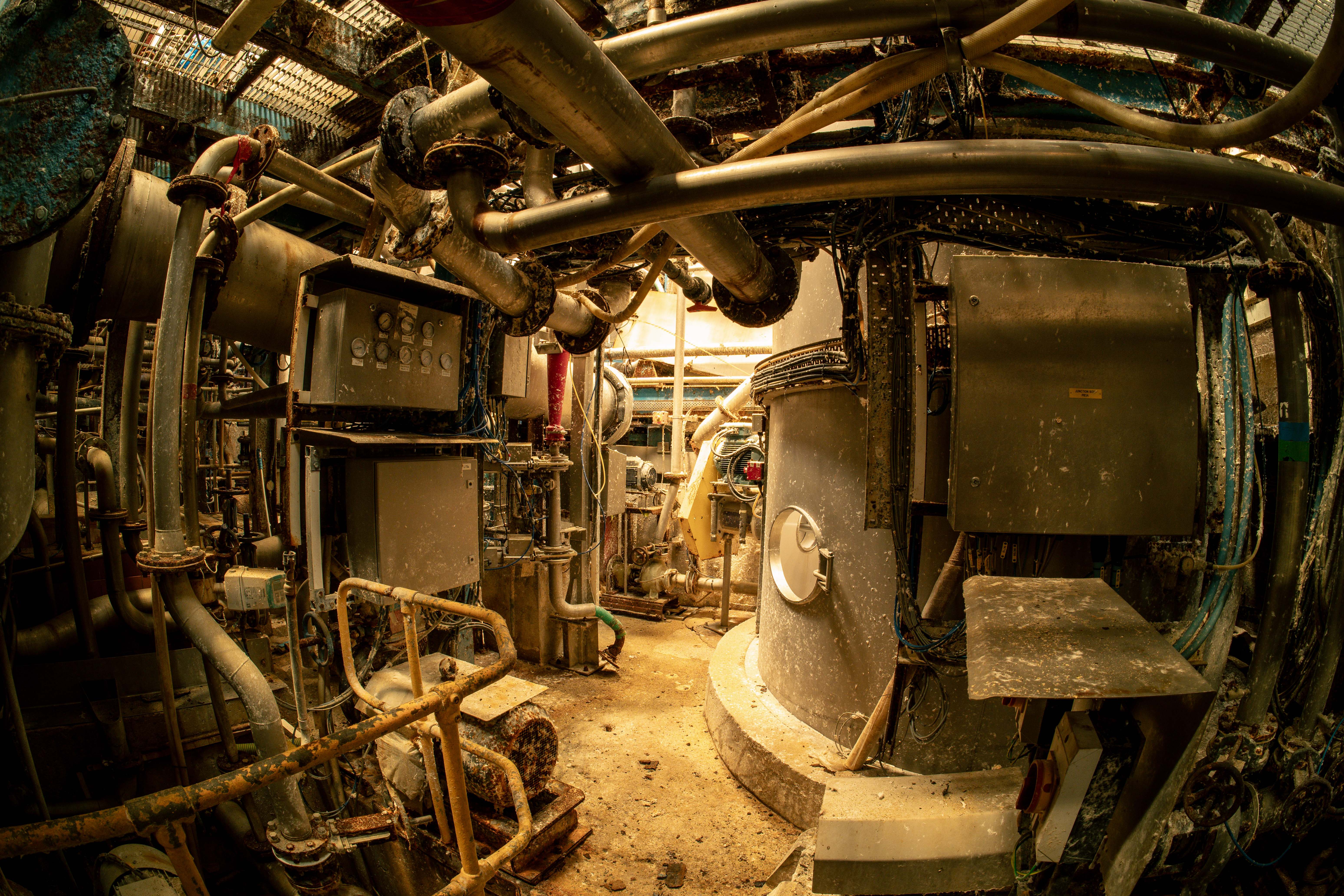
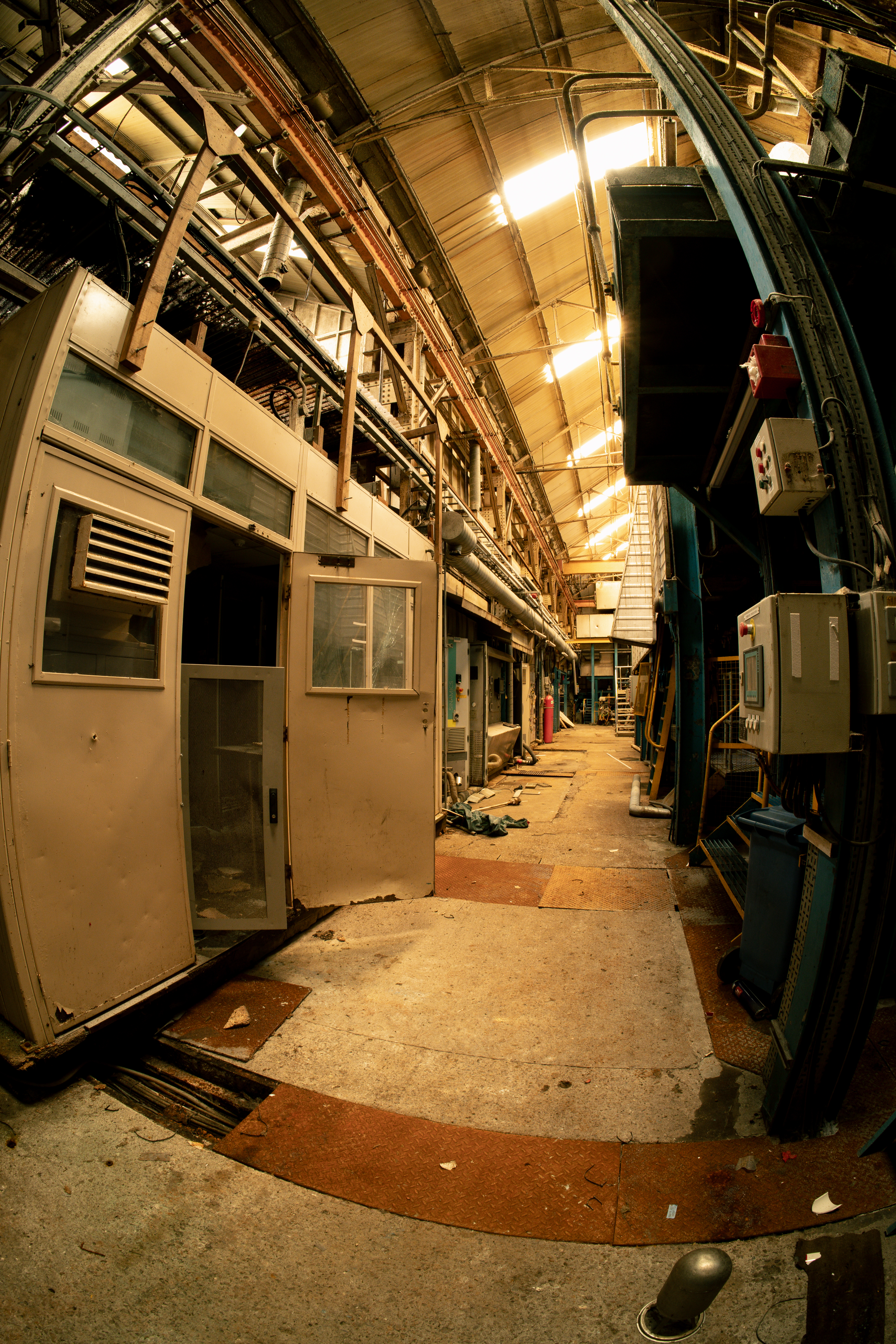
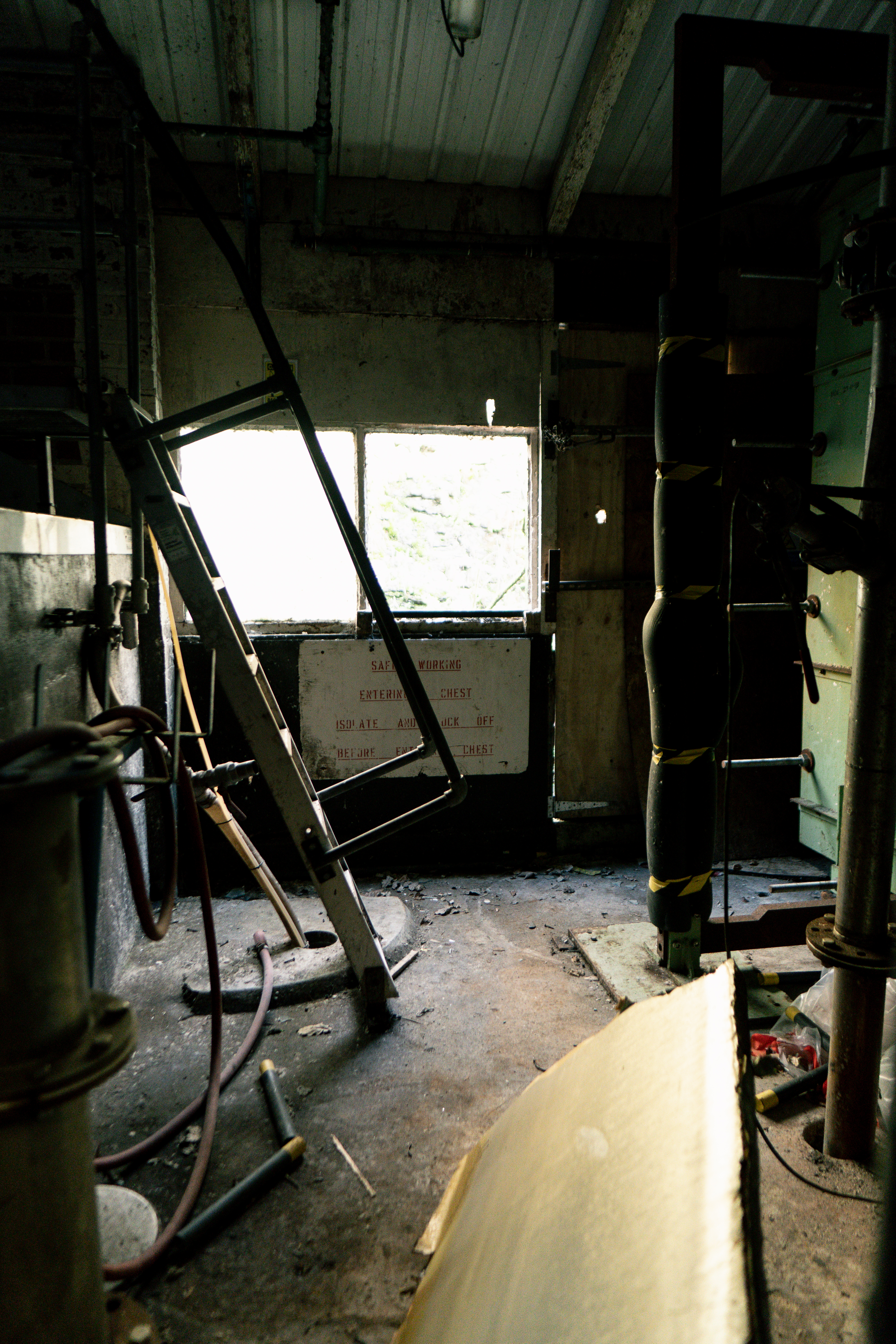
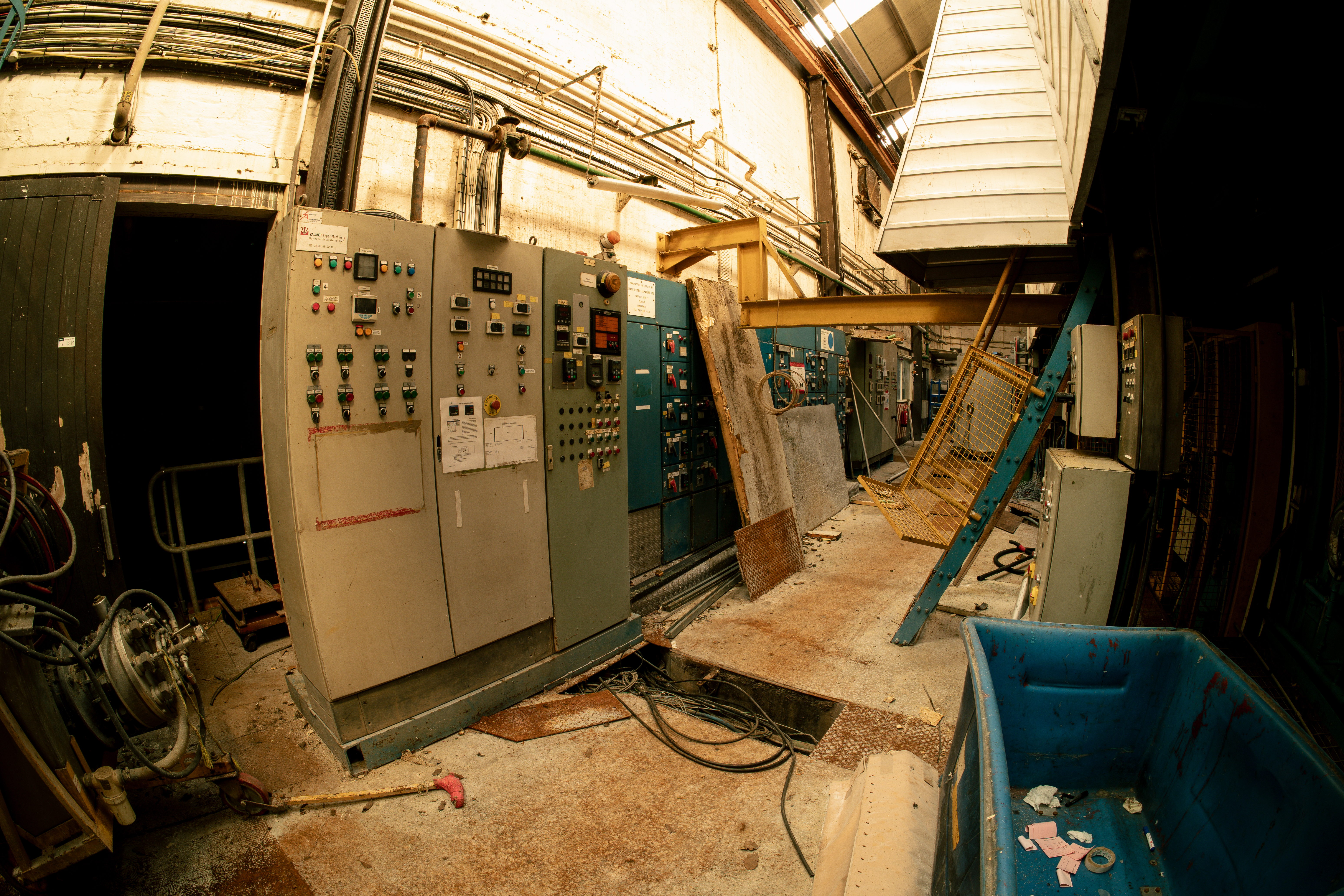
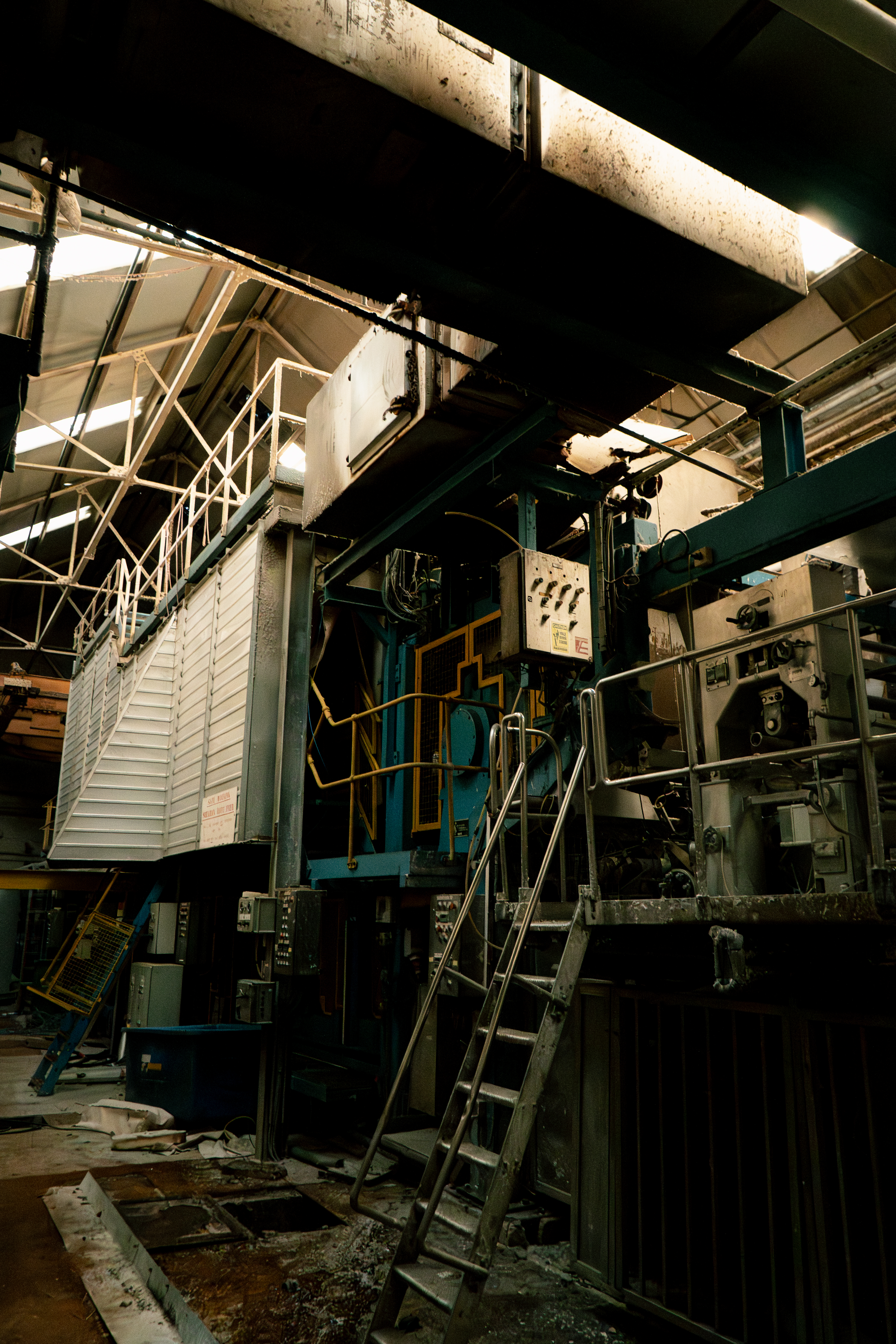
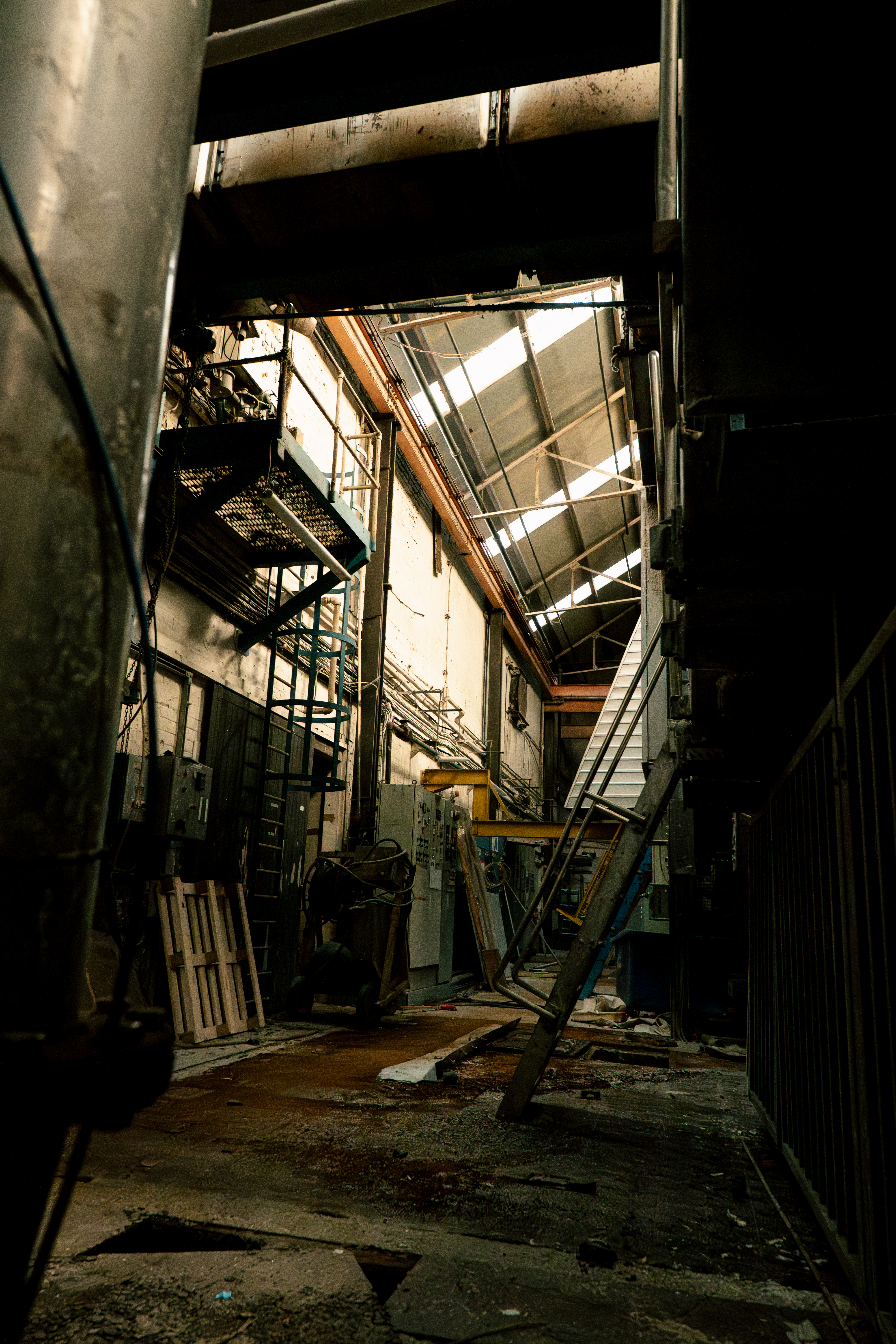
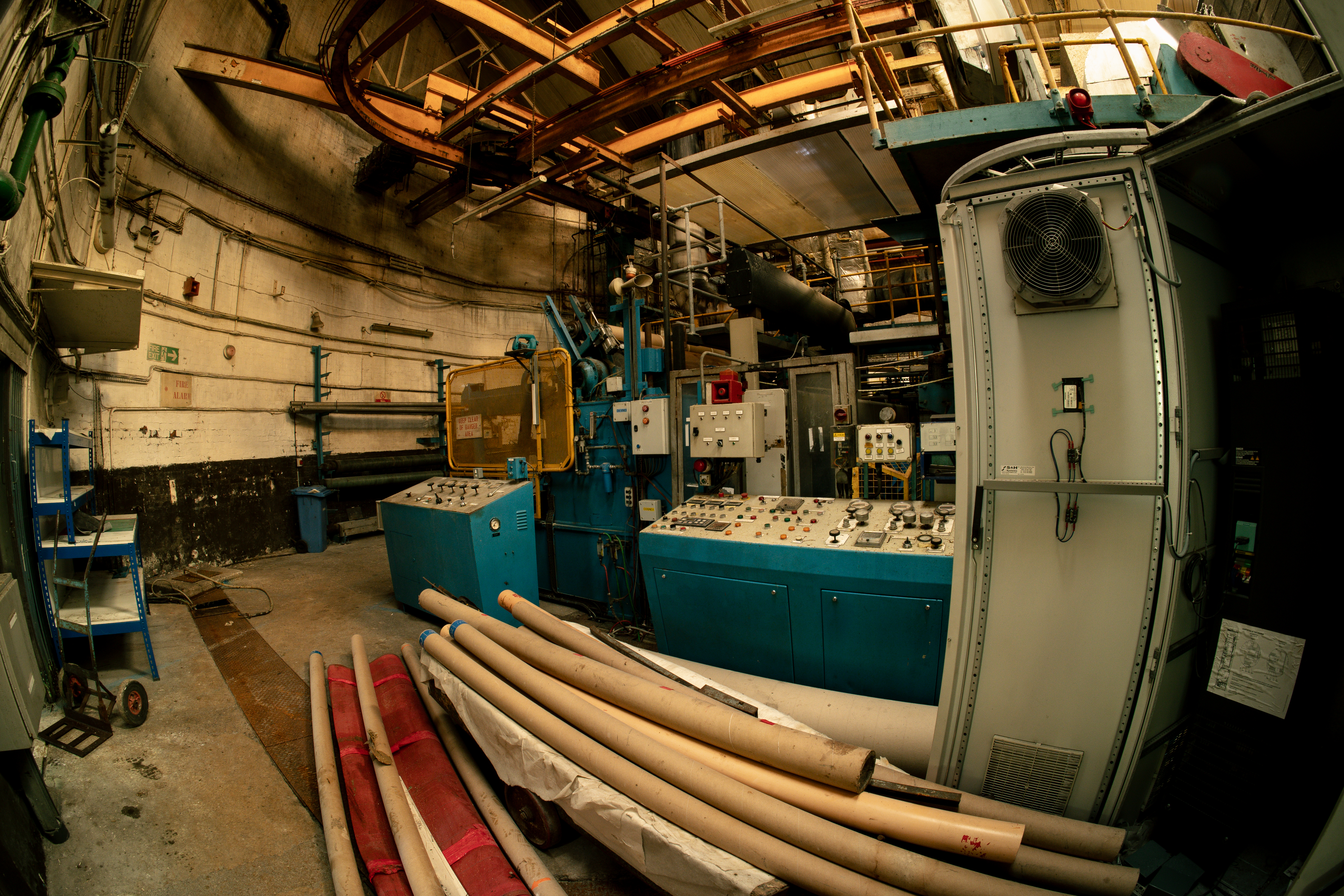
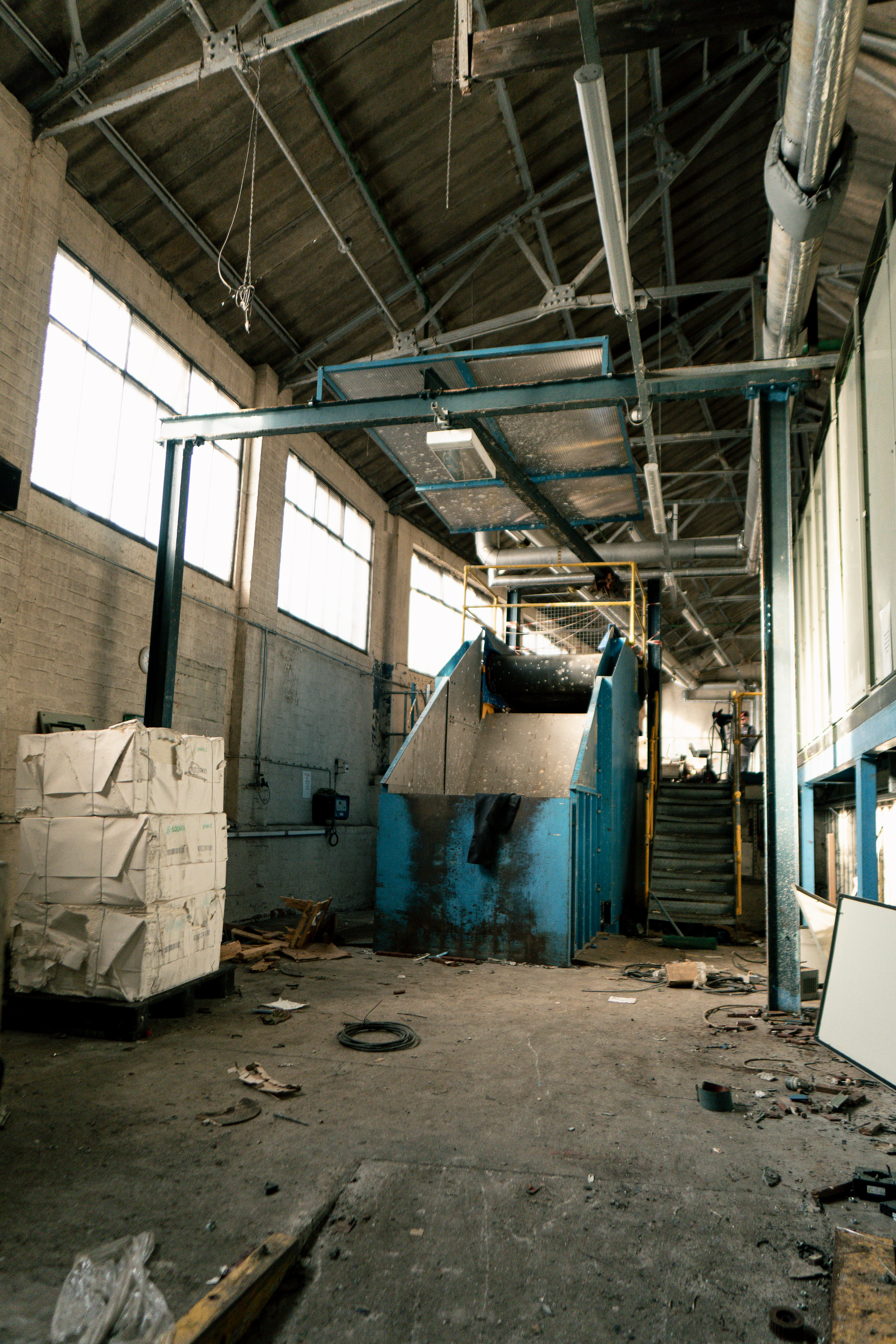
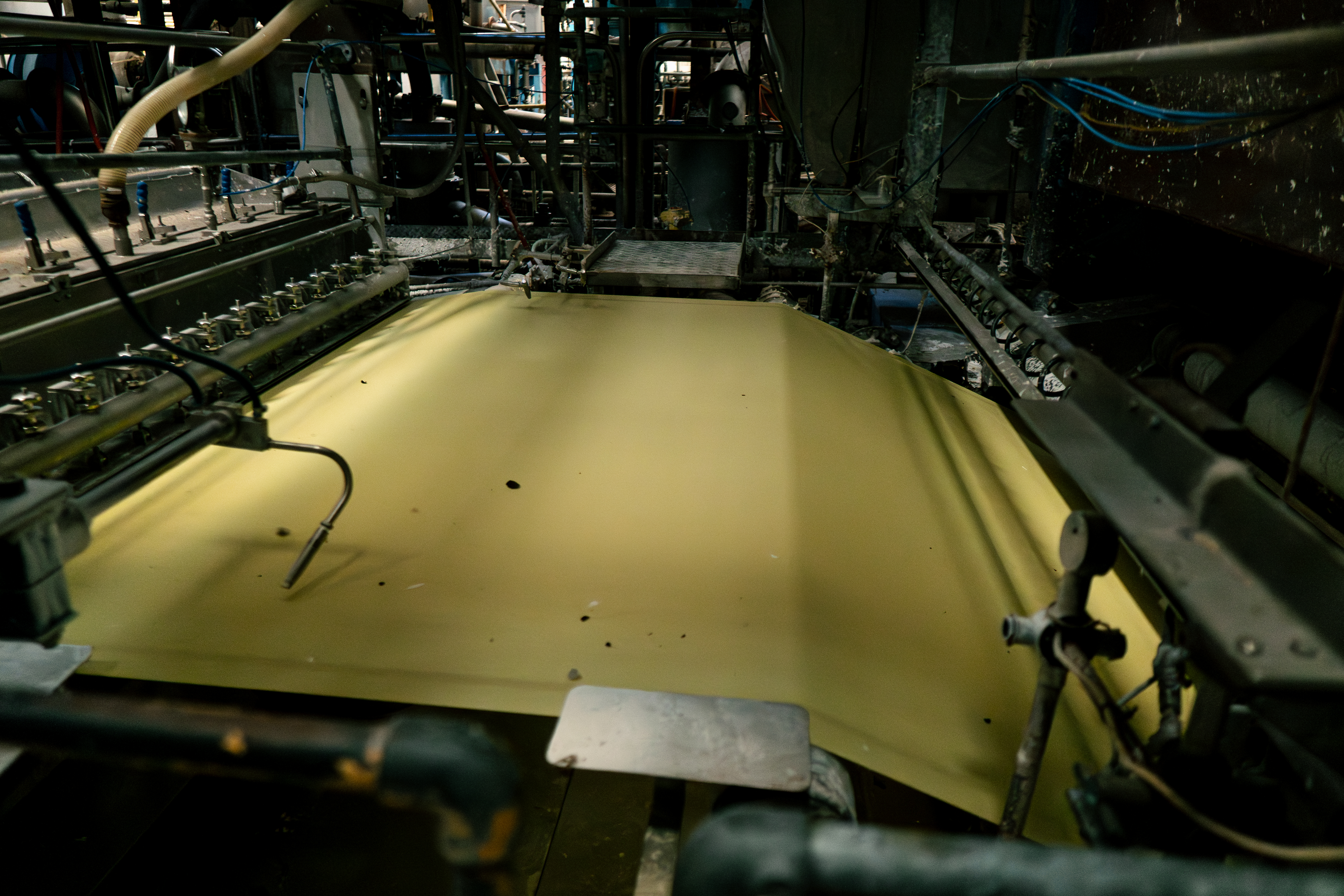
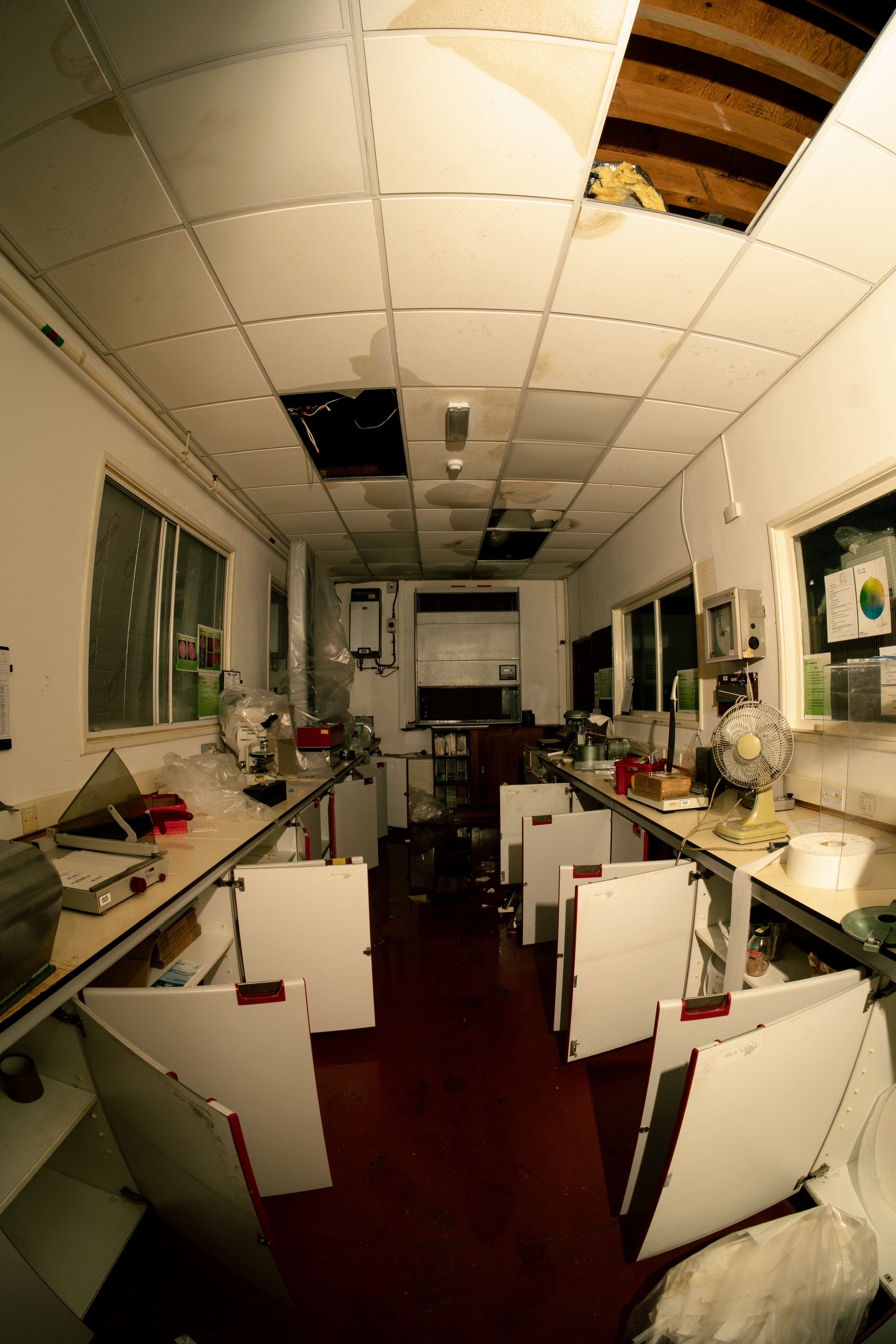
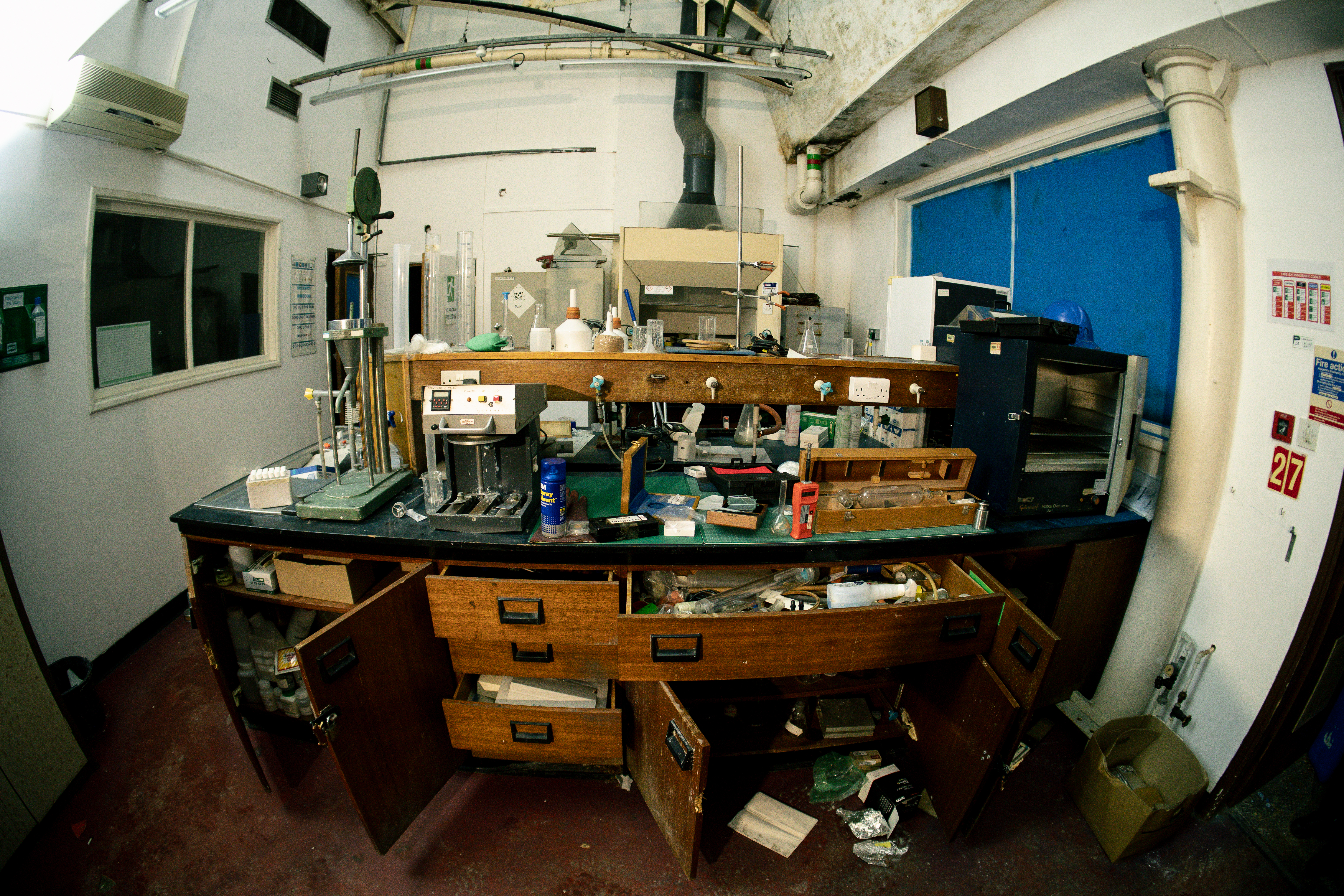
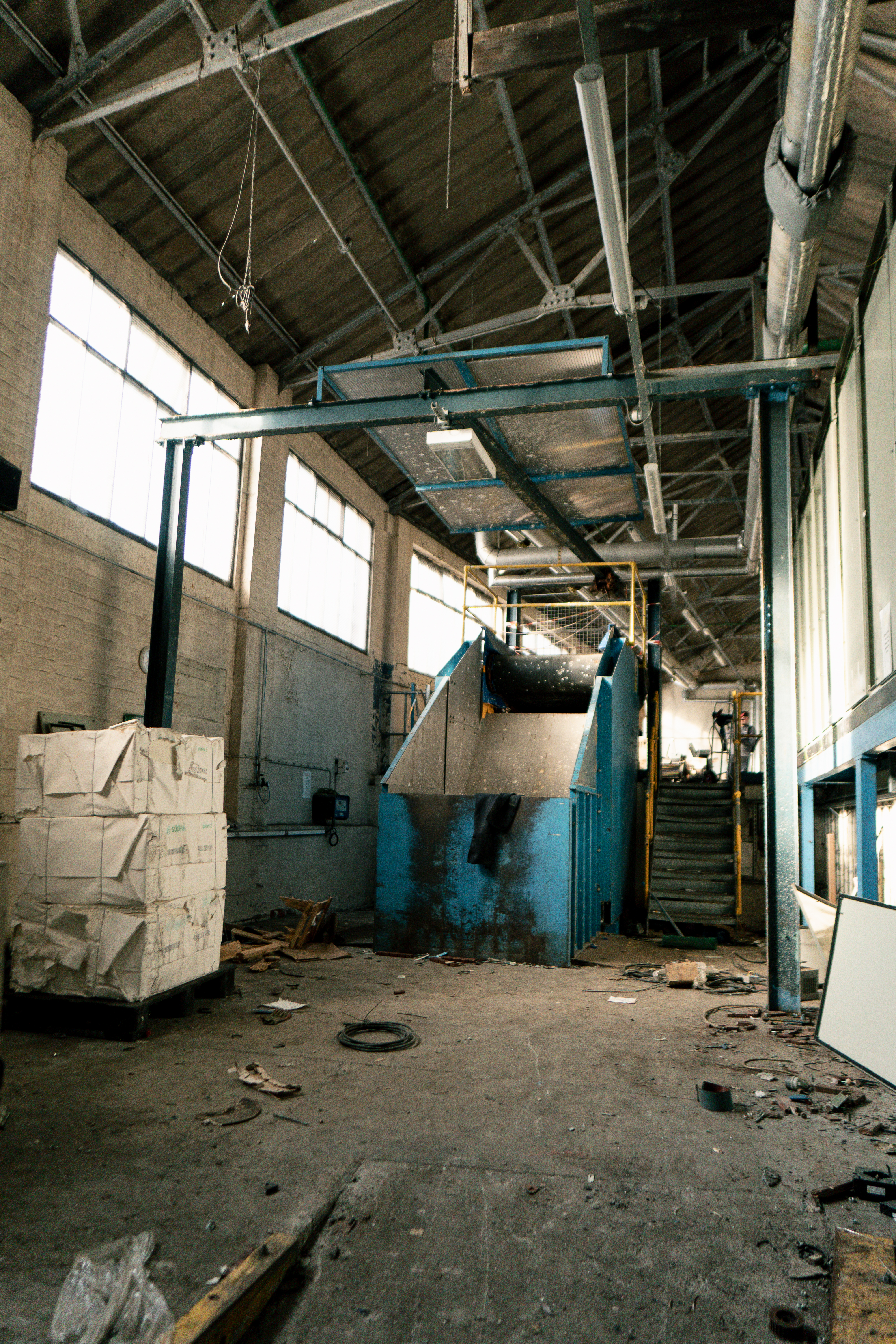
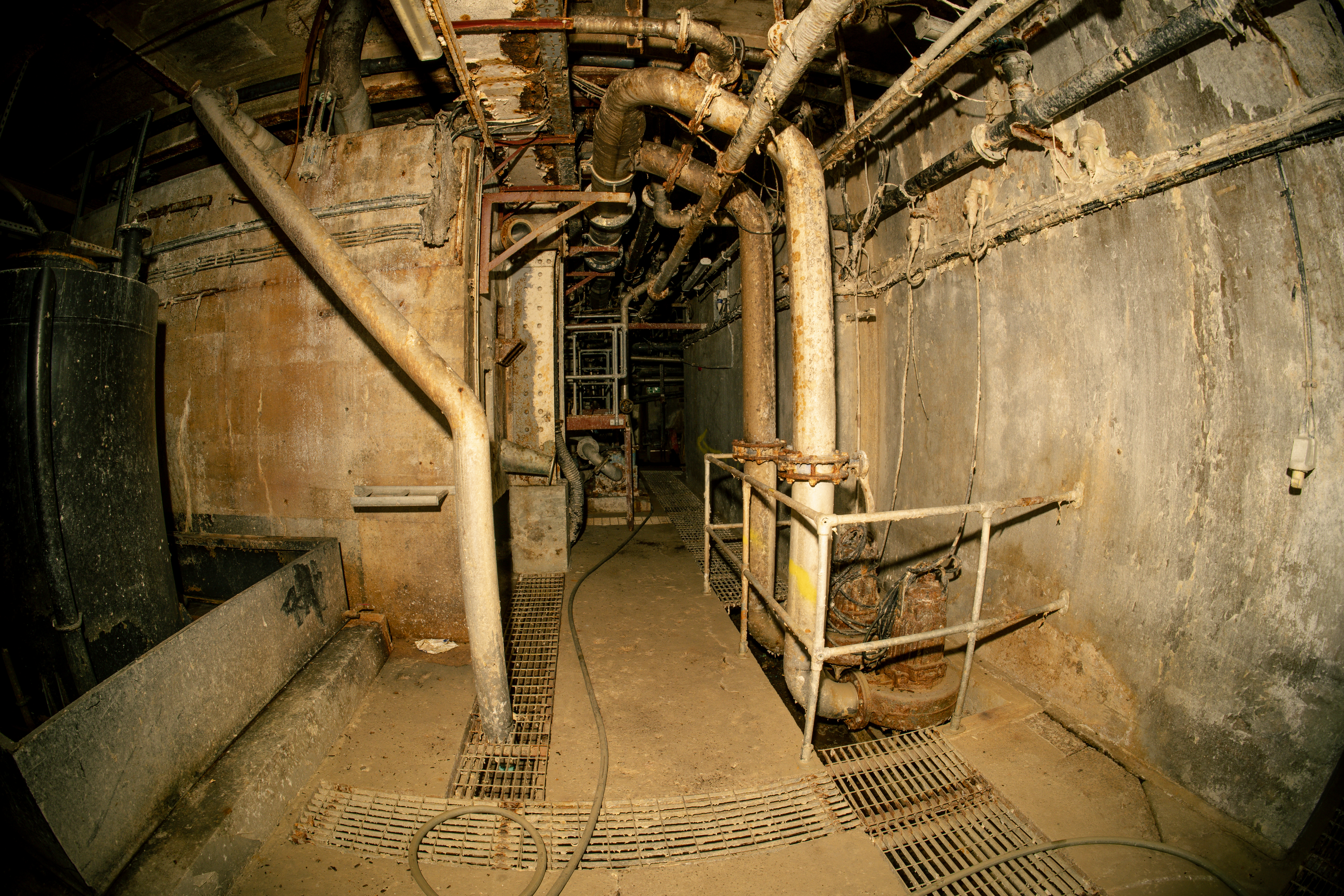
Simpson Clough Mill in Ashworth Valley stands as a notable reminder of the region’s long industrial history and of the more secluded, water-powered mill sites that once characterised the upland fringes of Lancashire. Set deep within a wooded valley near Heywood, the mill developed in a landscape where industry was shaped as much by topography and water supply as by transport and urban expansion. Established in the nineteenth century, the site is understood to have originated as a fulling mill associated with the woollen trade before later evolving into a paper manufacturing works, reflecting the wider pattern of industrial adaptation that allowed many rural mill complexes to survive long after their original purpose had declined.
Architecturally, the surviving complex retains the functional character typical of valley-based industrial buildings, with its stone-built form, irregular arrangement and enclosed setting reflecting the practical demands of its environment rather than any formal architectural ambition. Unlike the larger and more monumental urban mills of the Victorian period, Simpson Clough belongs to an older industrial tradition in which buildings were fitted tightly into narrow landscapes and developed incrementally over time. Its position beside Cheesden Brook was central to its early operation, and the surrounding steep-sided valley continues to define the site’s atmosphere and physical presence today.
The mill entered a later and more specialised phase of its working life in the twentieth century, when it was adapted for paper production following its acquisition by Cromptons in 1939 and subsequent conversion in 1946. In this form, Simpson Clough became associated with the paper industry for which it was best known in its later years, eventually operating under Union Papertech and producing specialist paper products well into the modern period. This continuity of use distinguished it from many comparable sites, allowing the complex to remain an active place of manufacture long after much of the surrounding industrial landscape had either disappeared or been radically altered.
Although industrial activity at the site has now ceased, with records indicating closure in early 2023, Simpson Clough Mill retains a strong sense of its former purpose. Its surviving buildings, secluded setting and layered fabric continue to express the working history of the site with unusual clarity. Today, it stands not only as a remnant of local manufacturing, but as a rare and evocative example of the hidden industrial geography that once underpinned so much of the north-west’s economic development.