Warwick Mill - Middleton, Manchester
28DaysLater Report - https://www.28dayslater.co.uk/threads/warwick-mill-middleton-manchester-april-2026.150775/
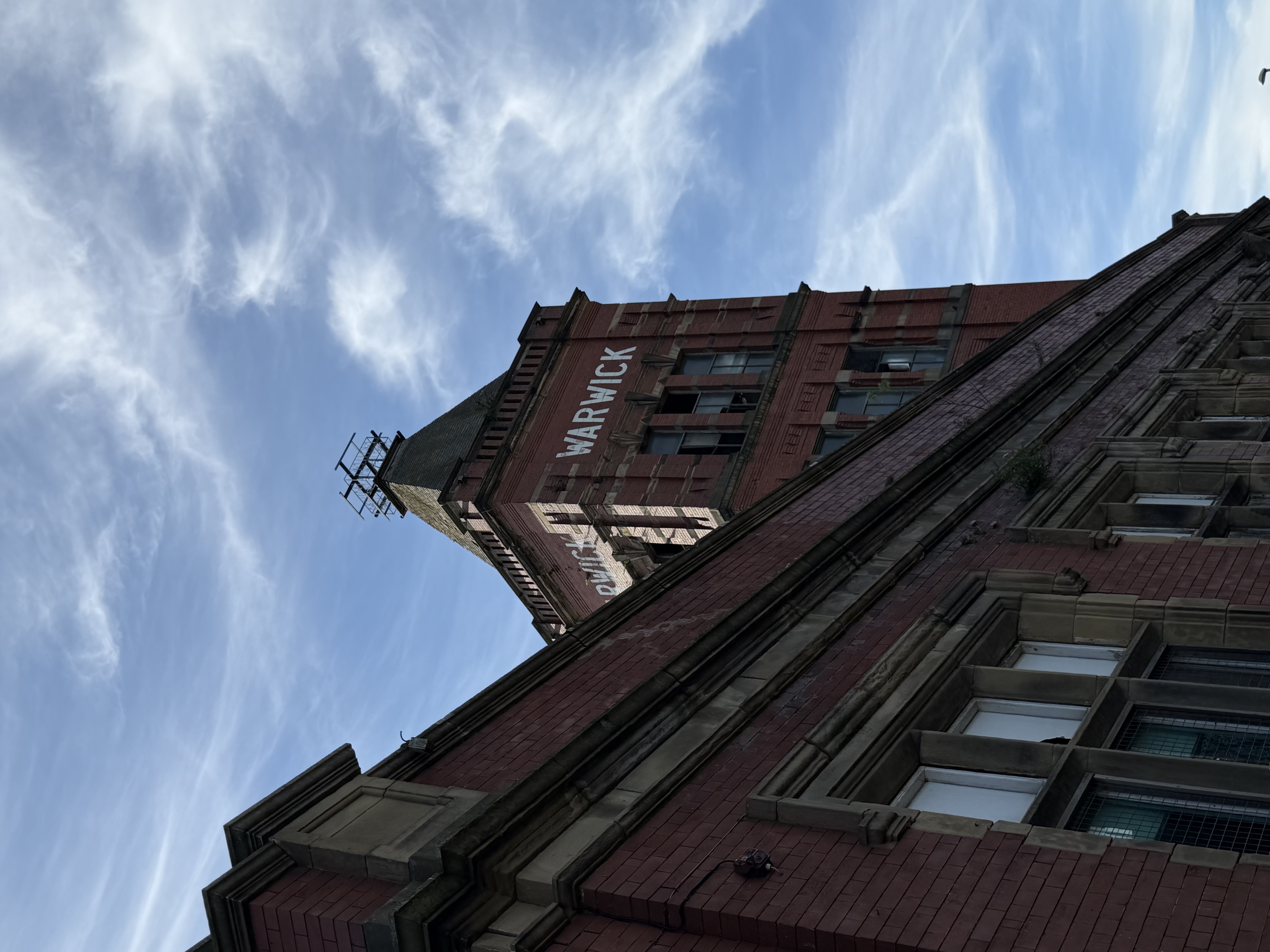
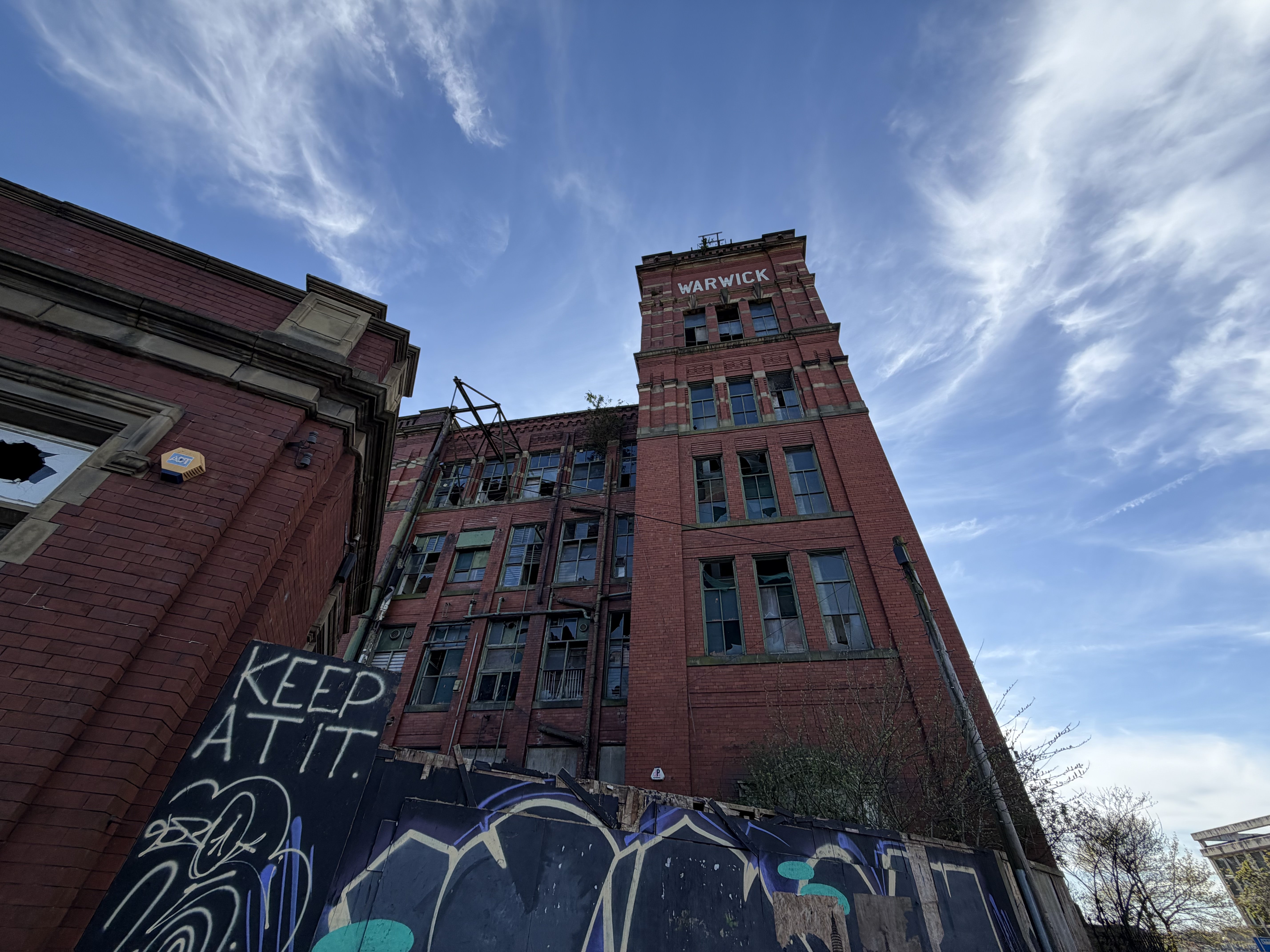
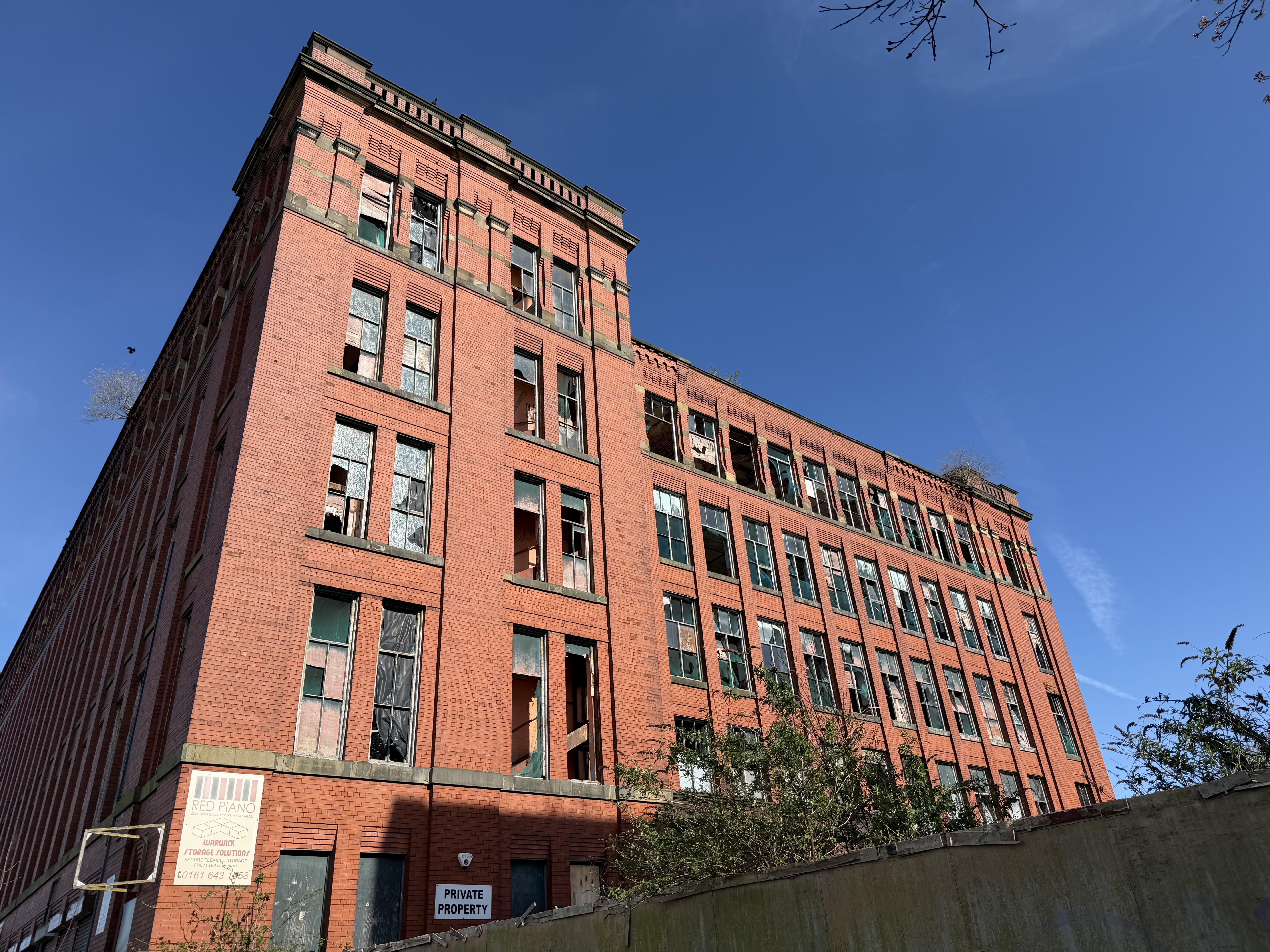
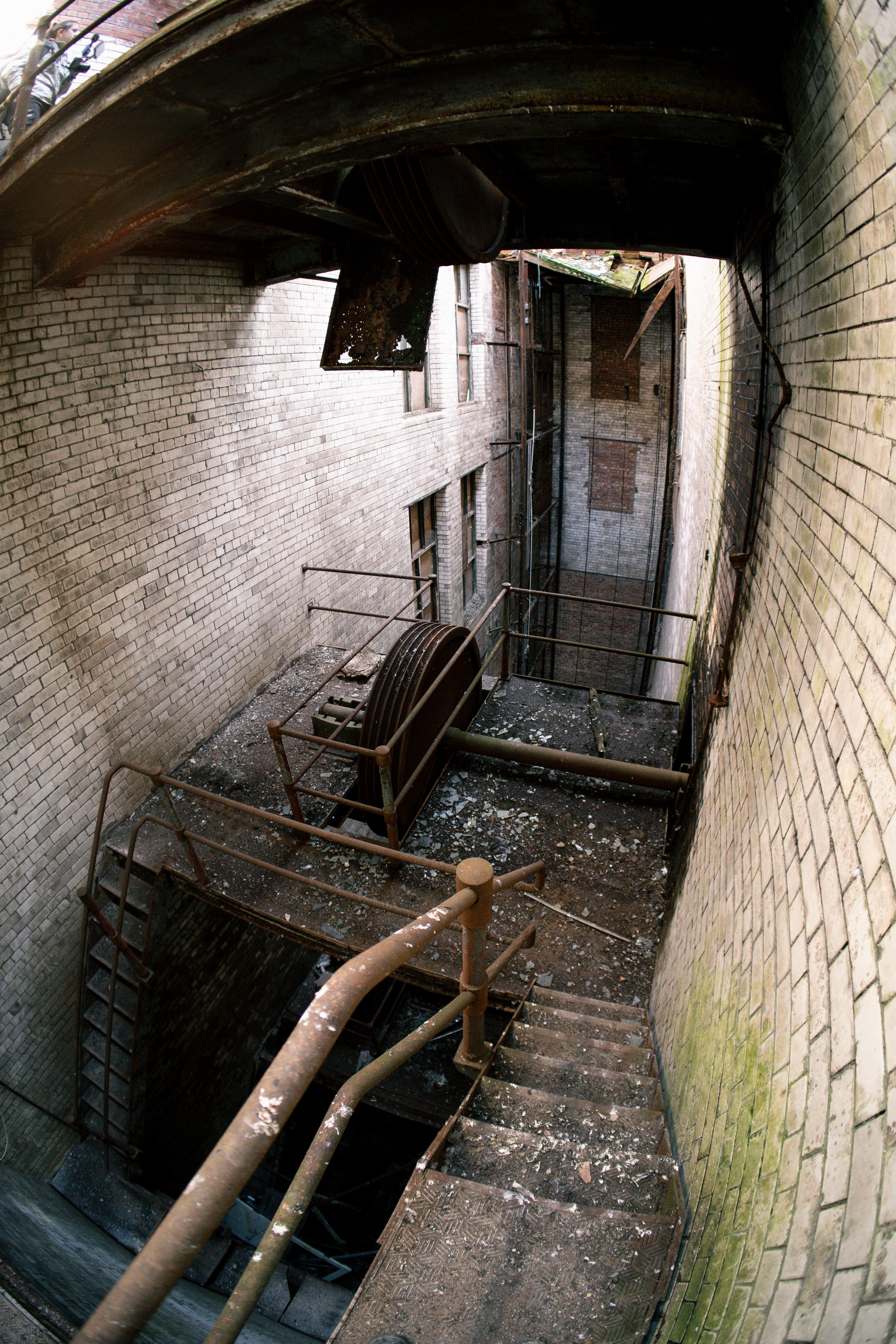
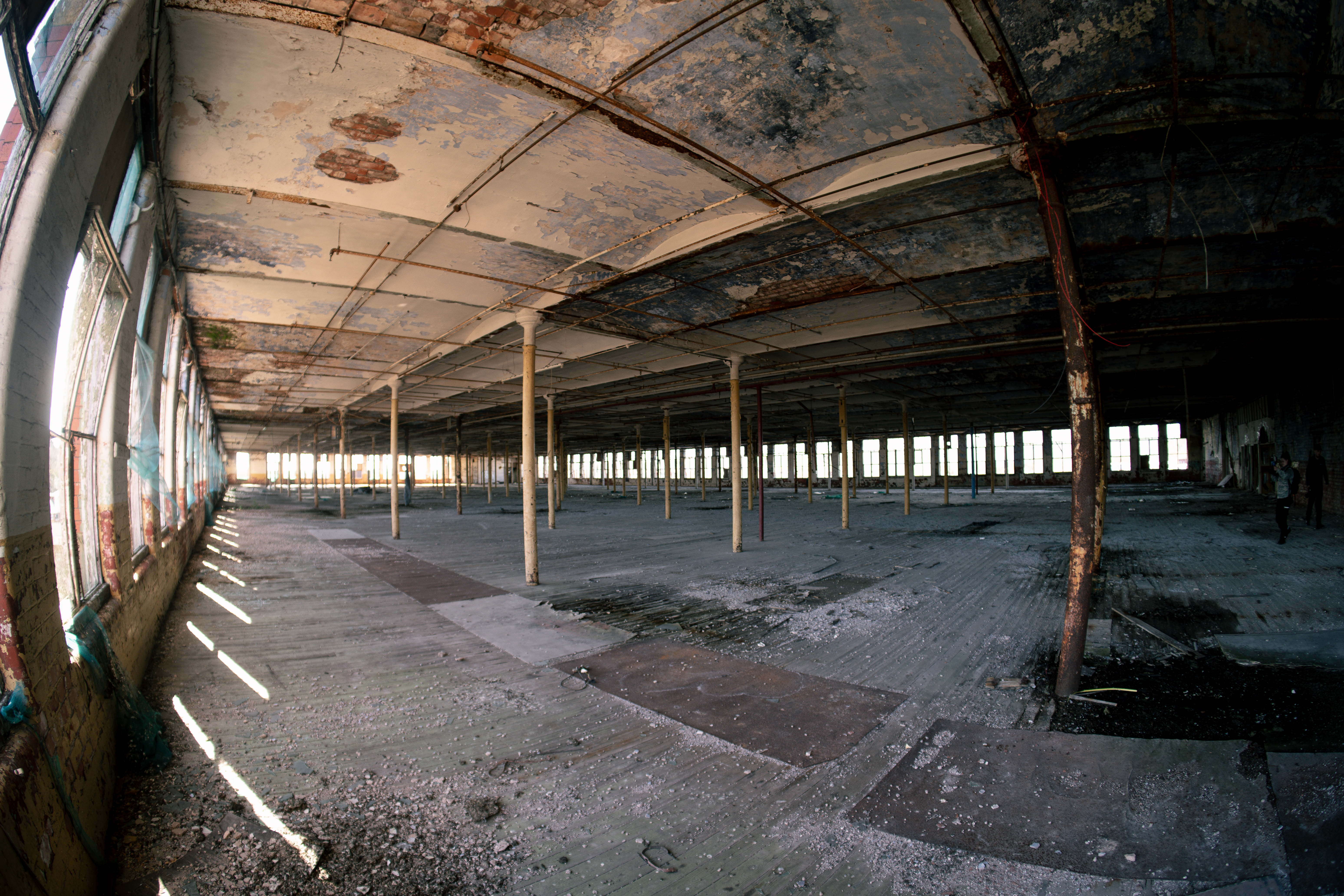
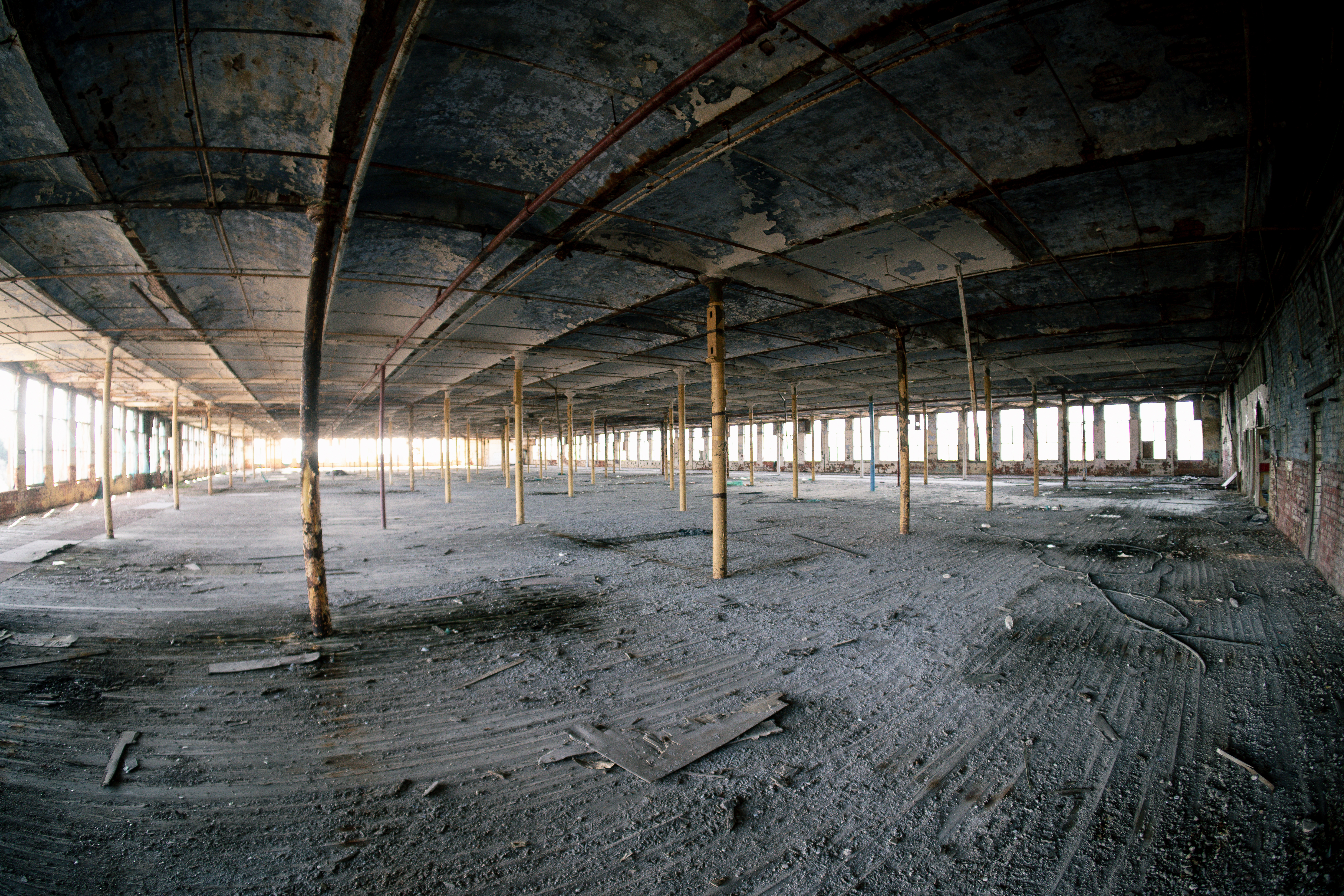
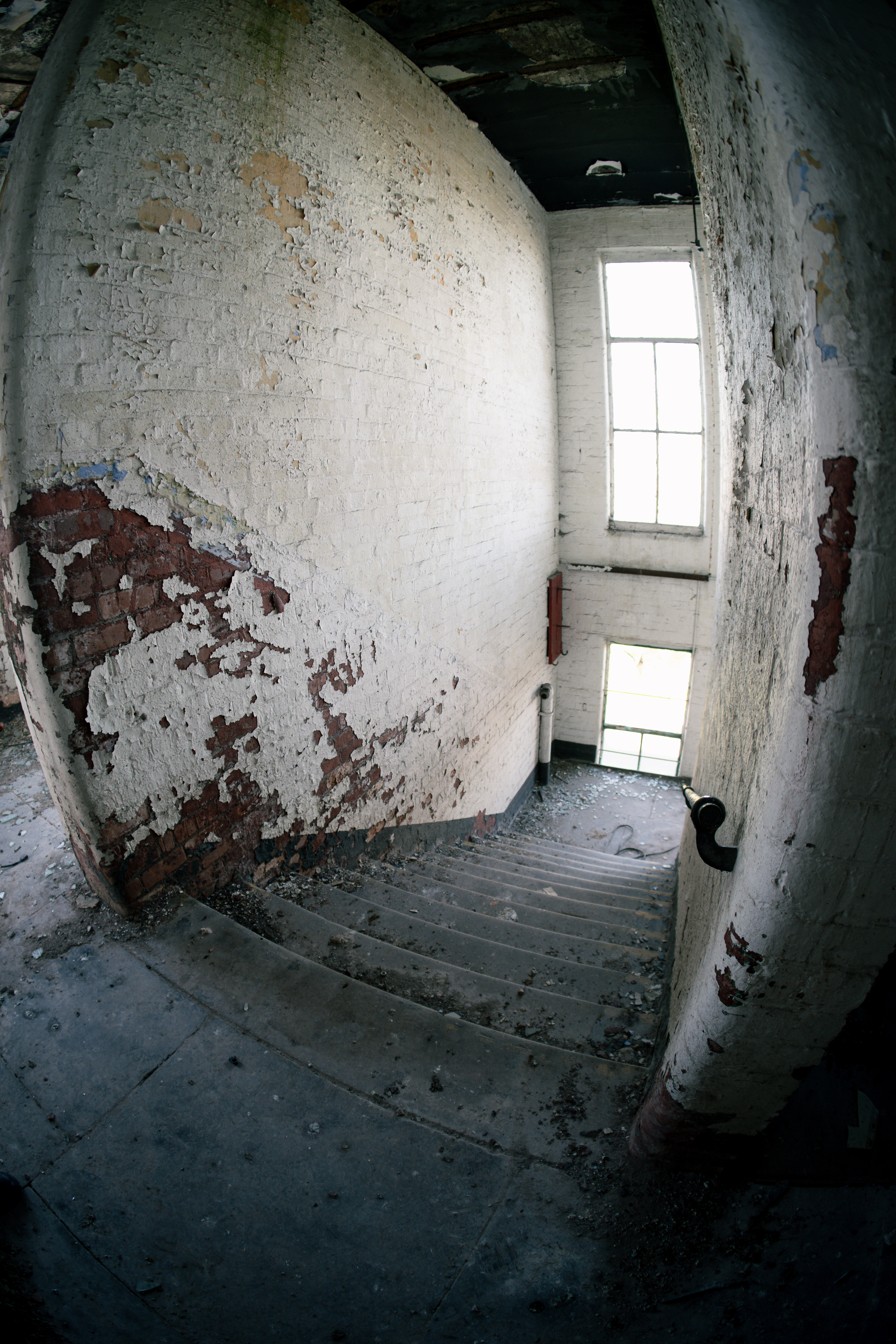
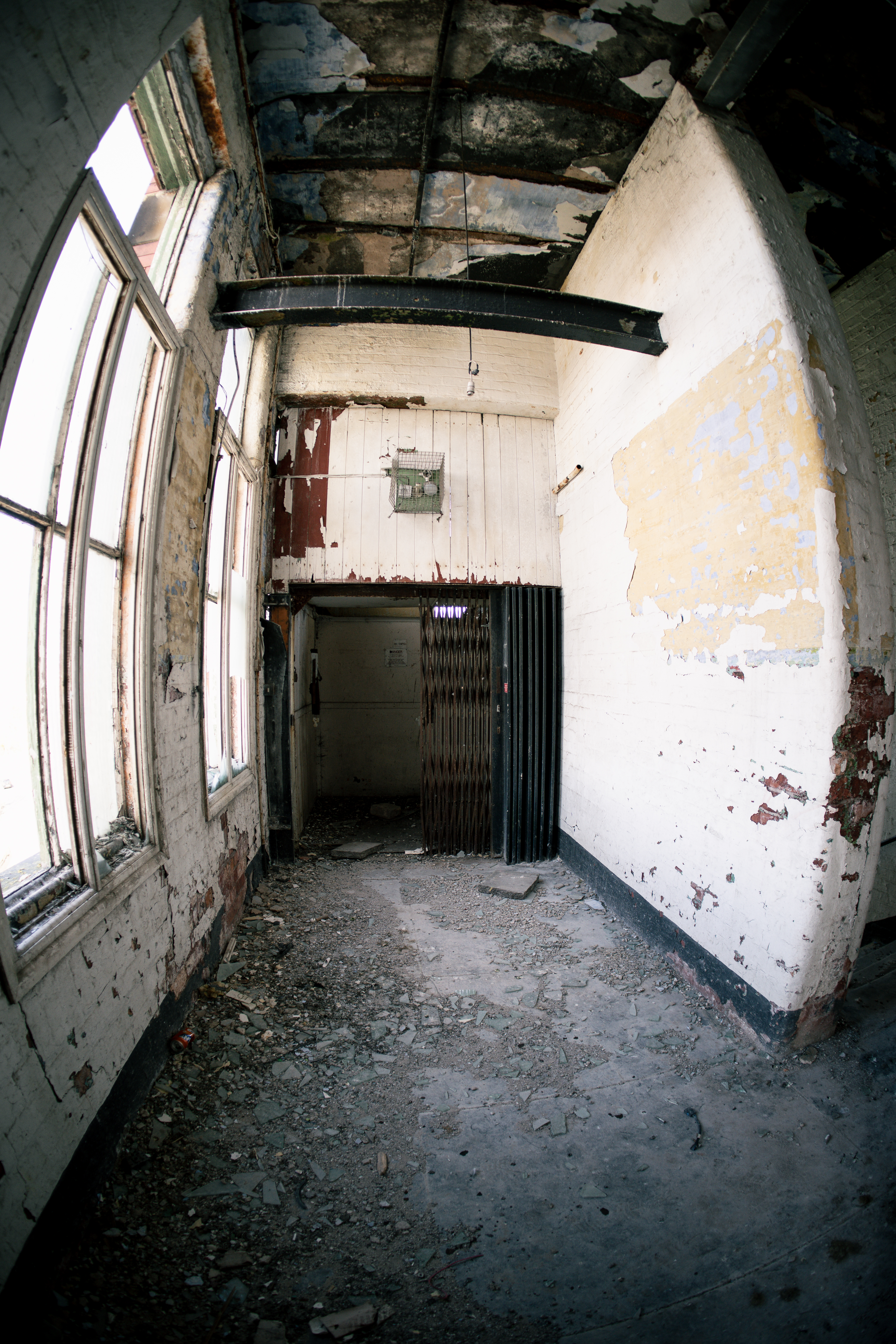
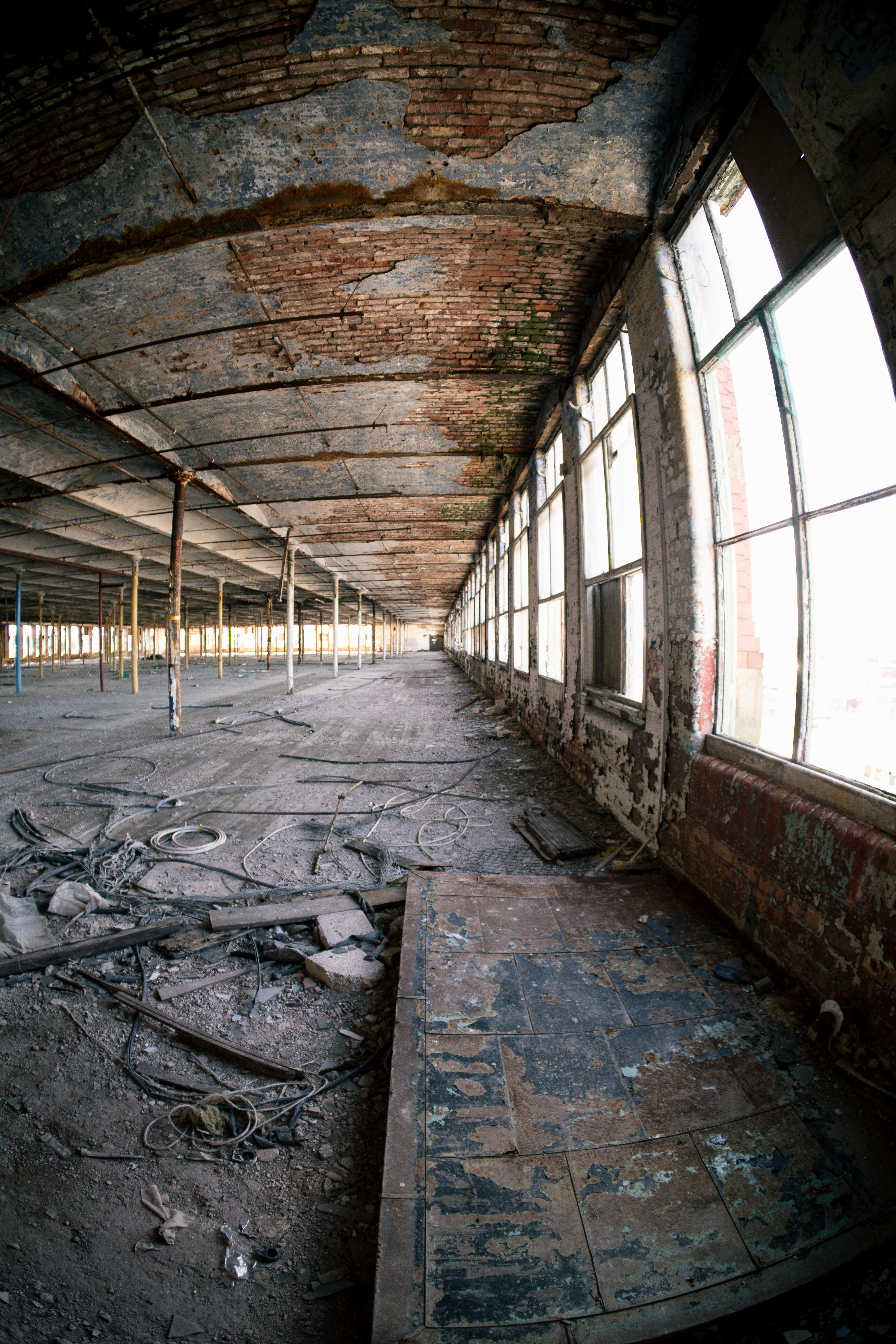
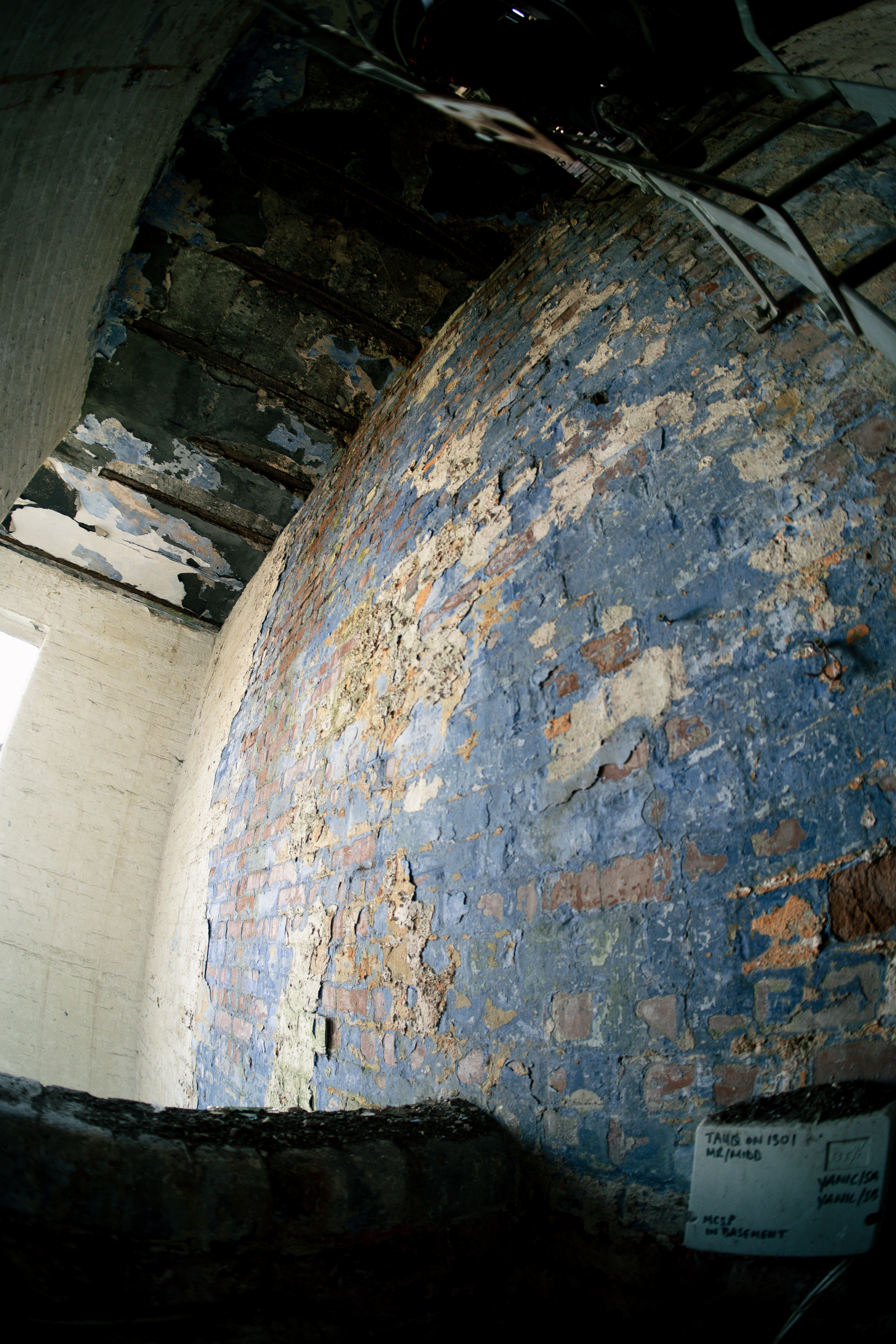
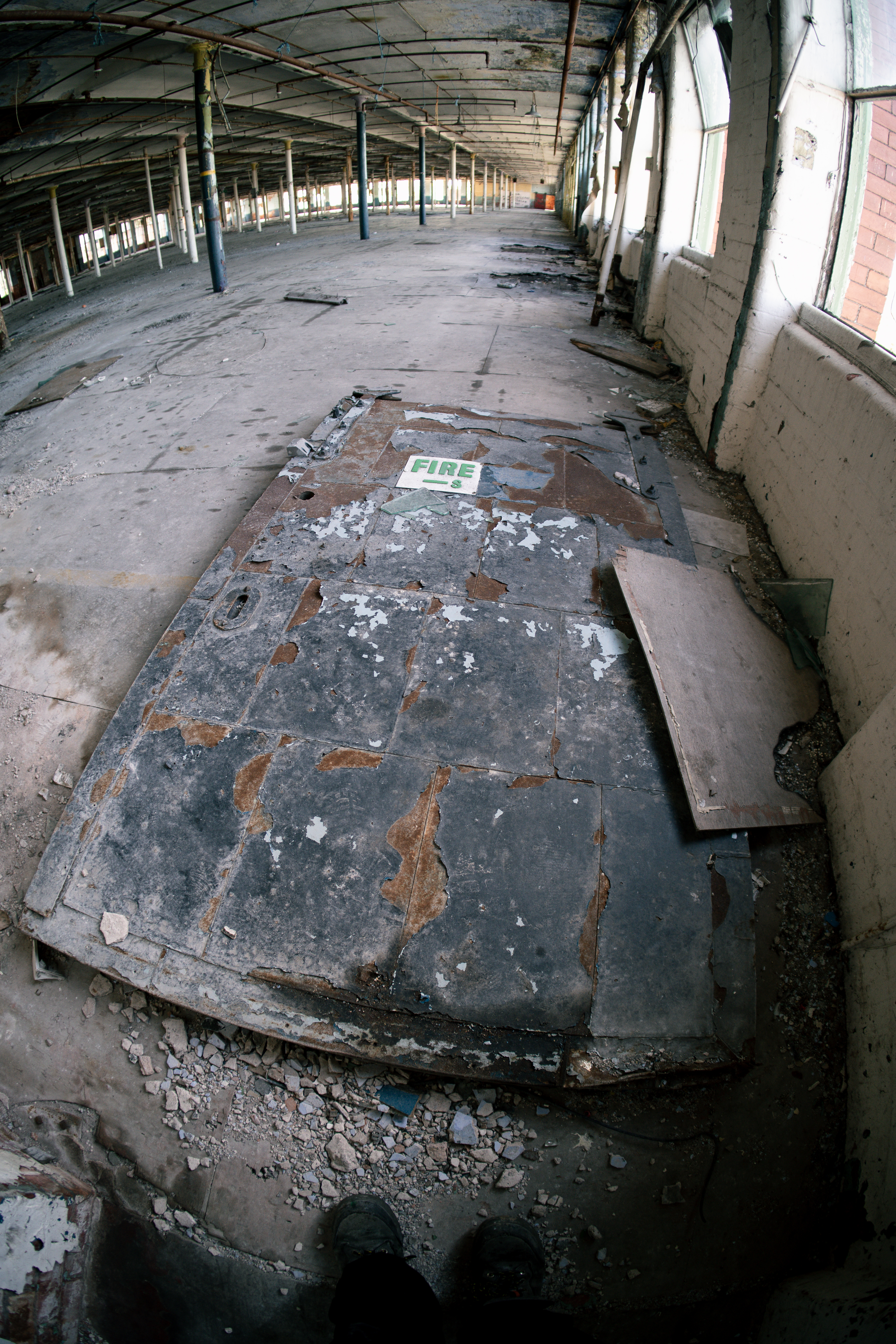
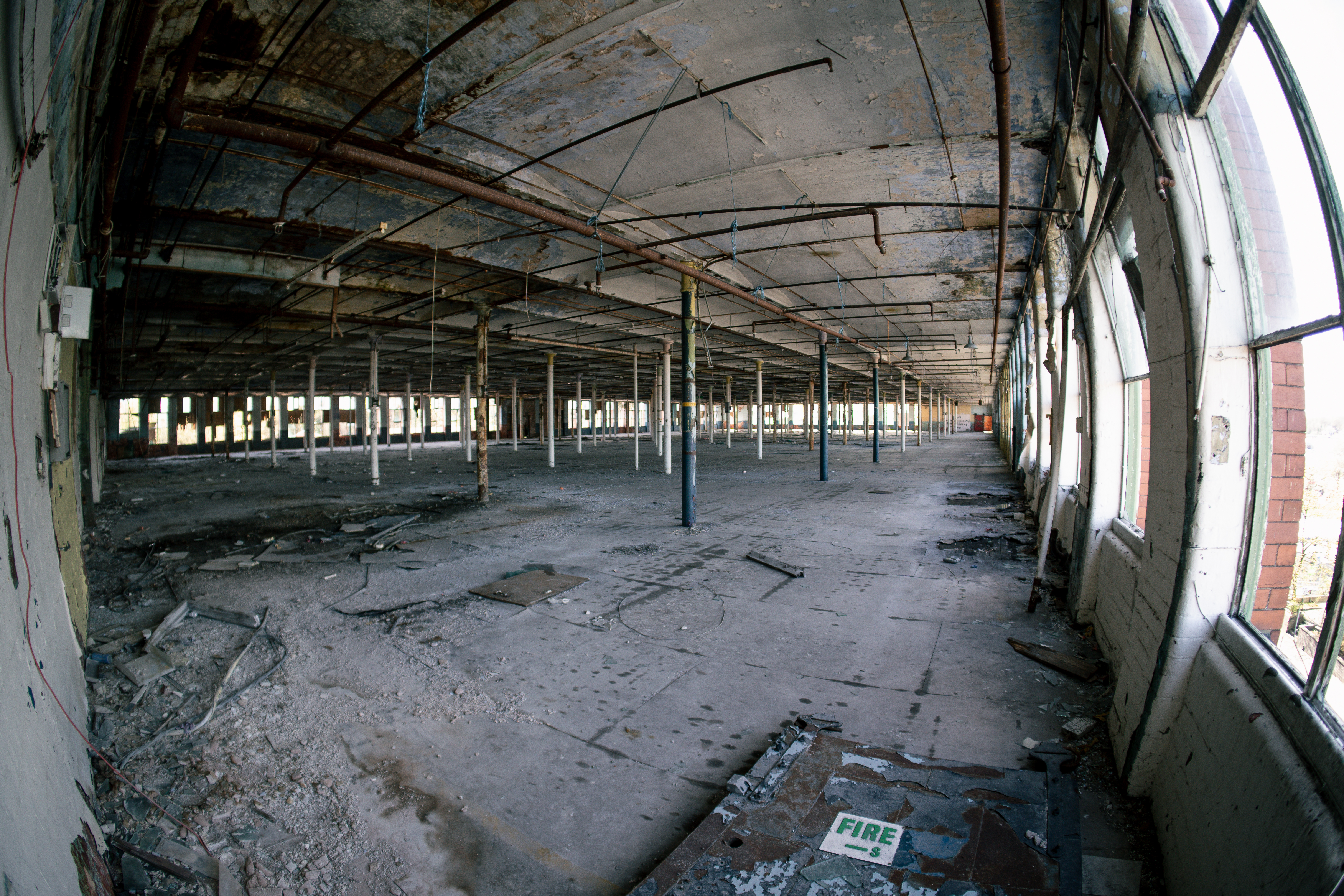
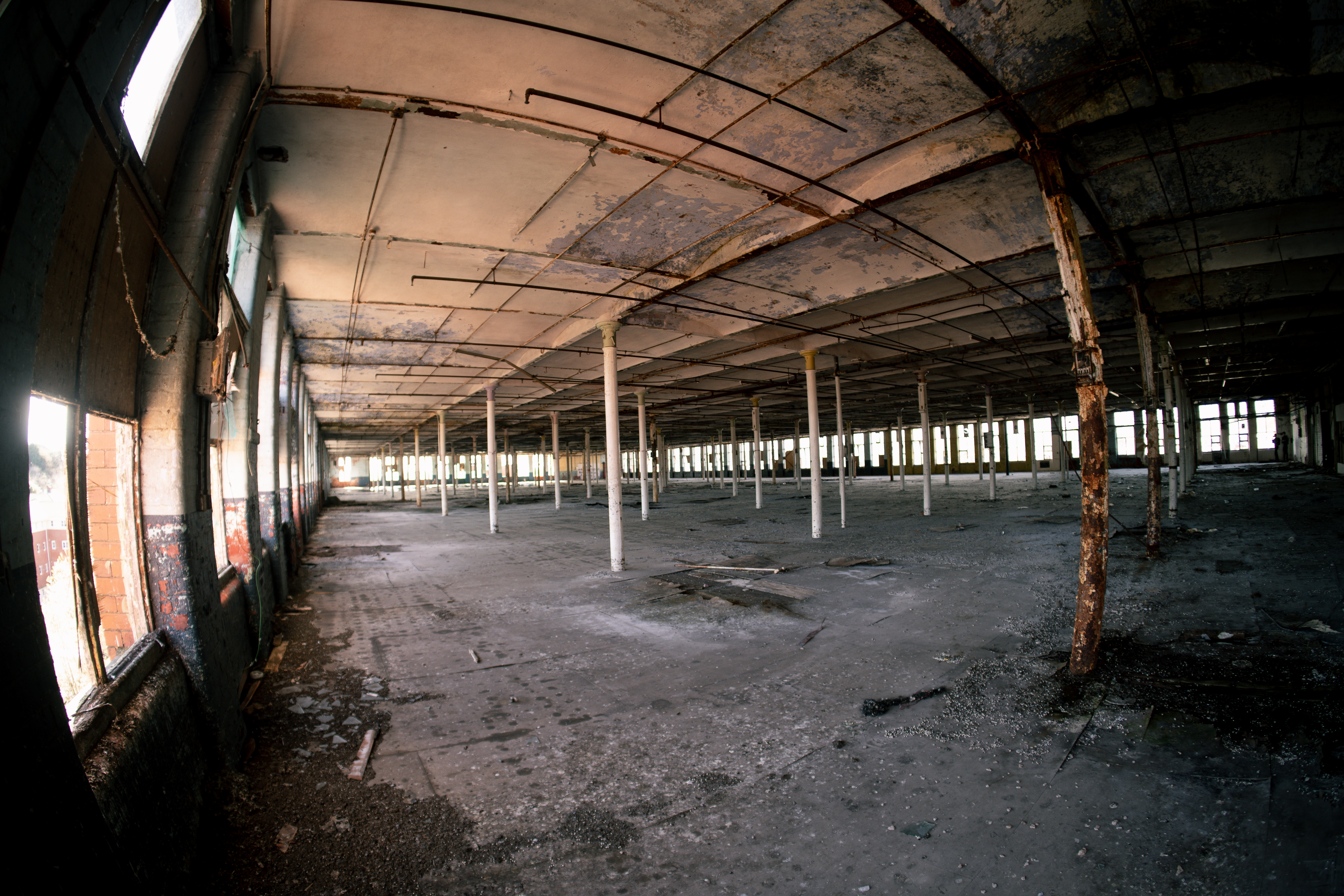
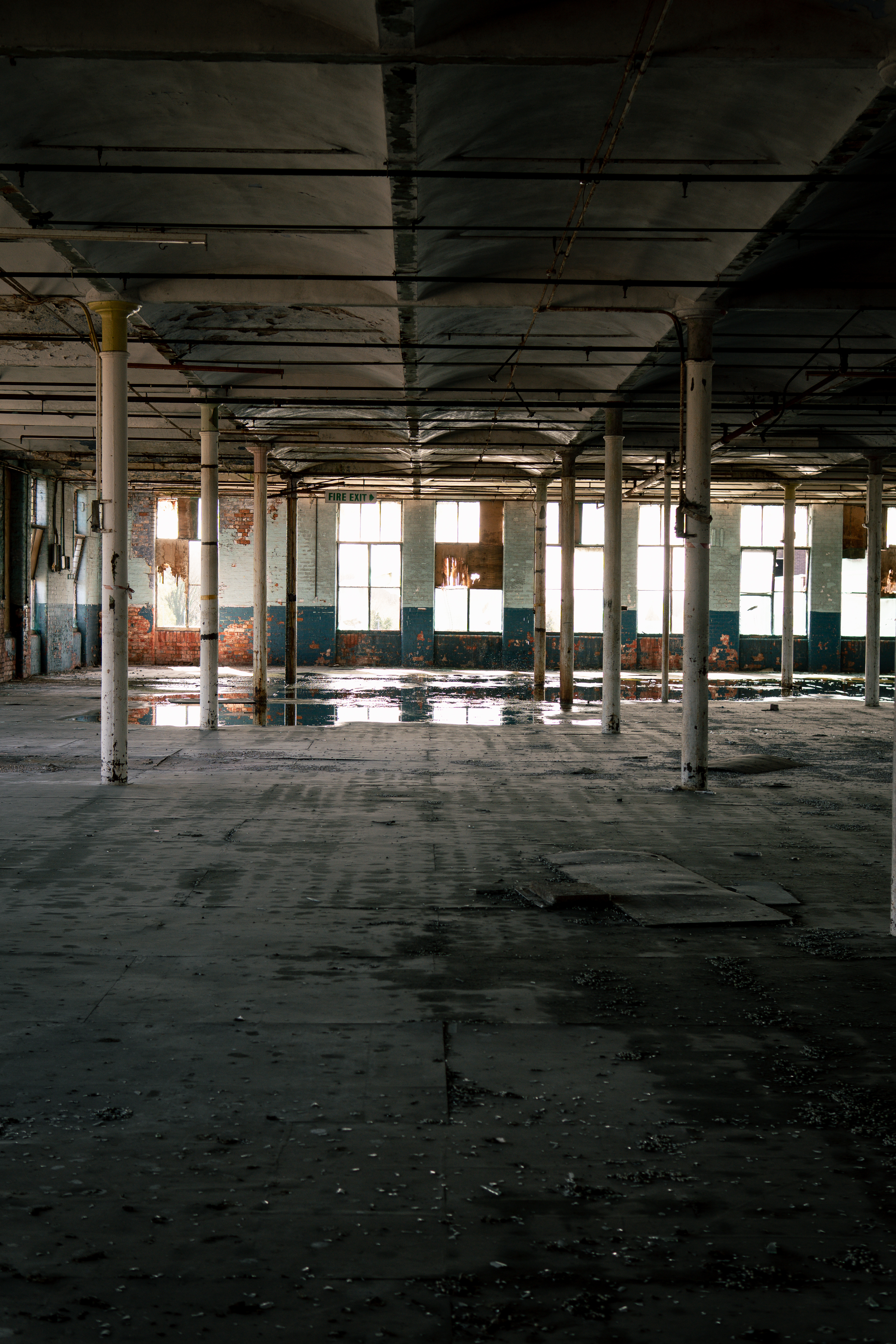
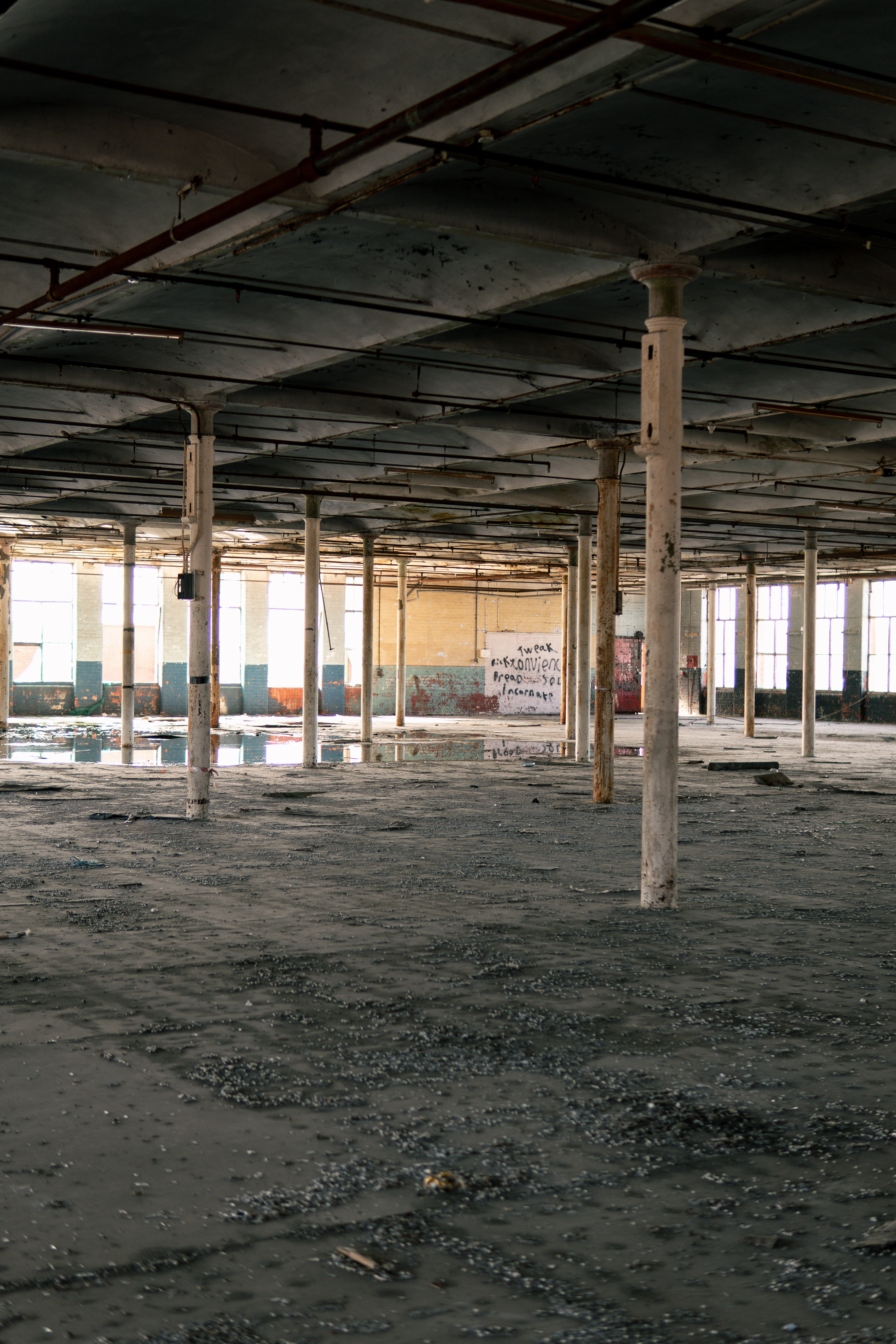
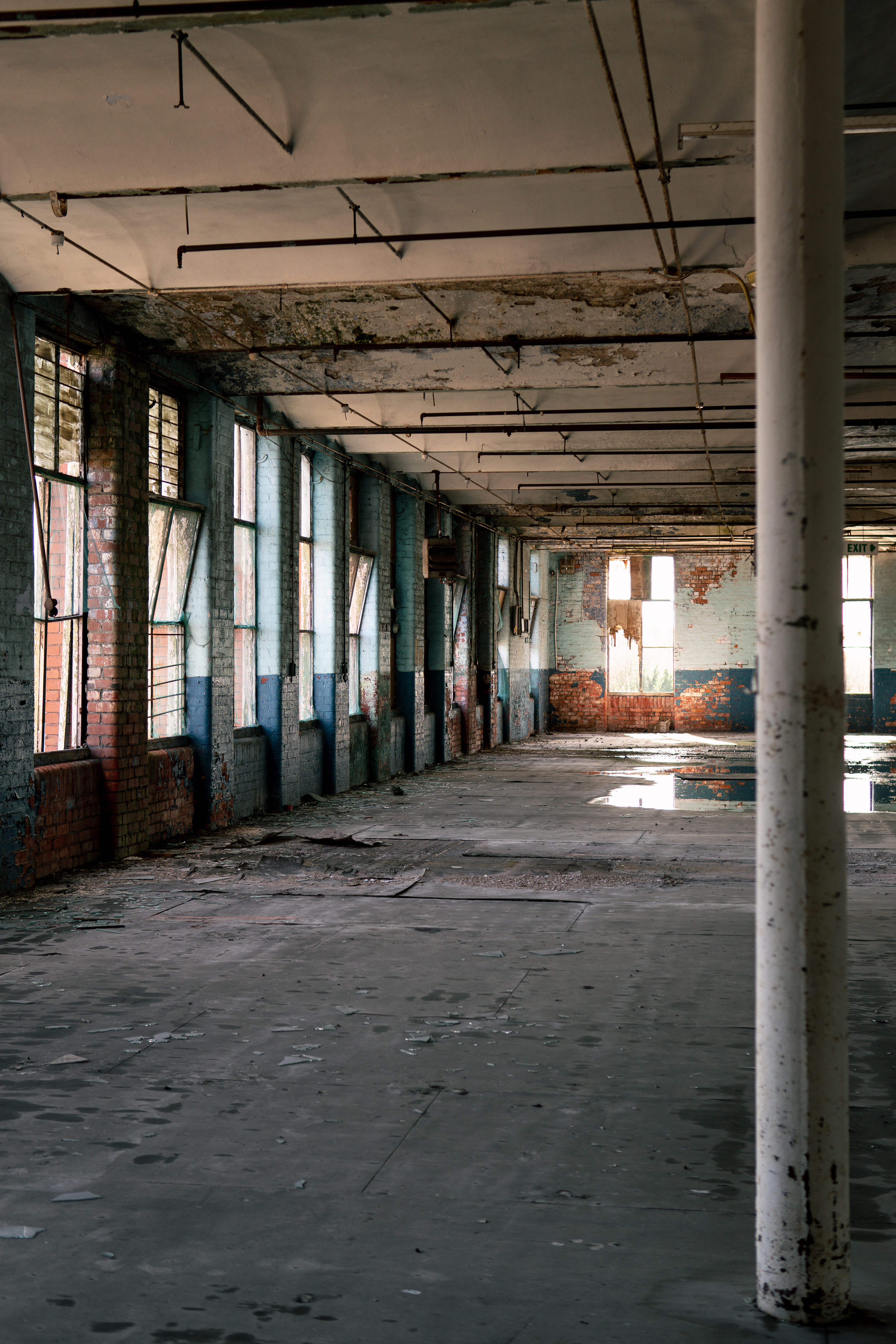
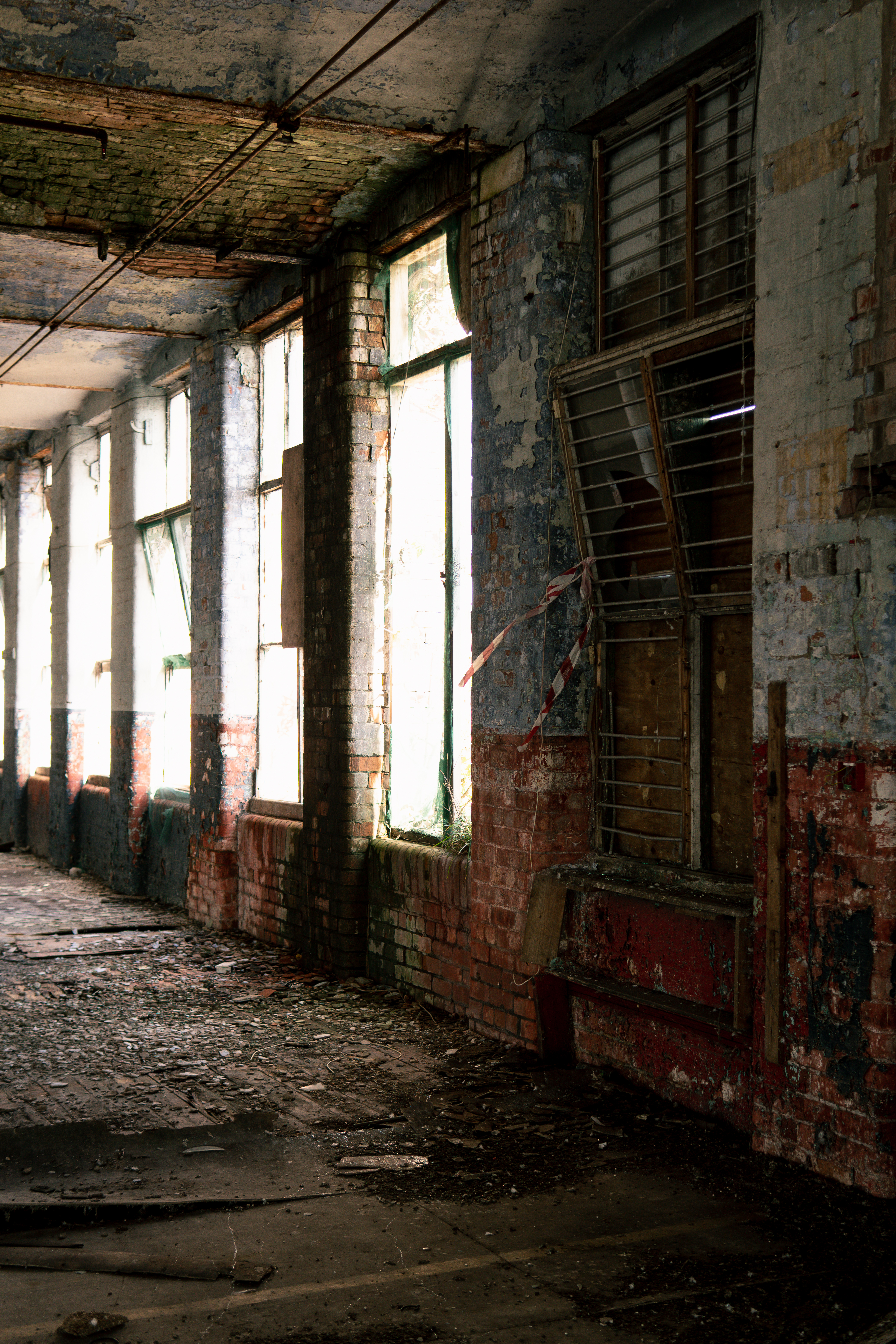
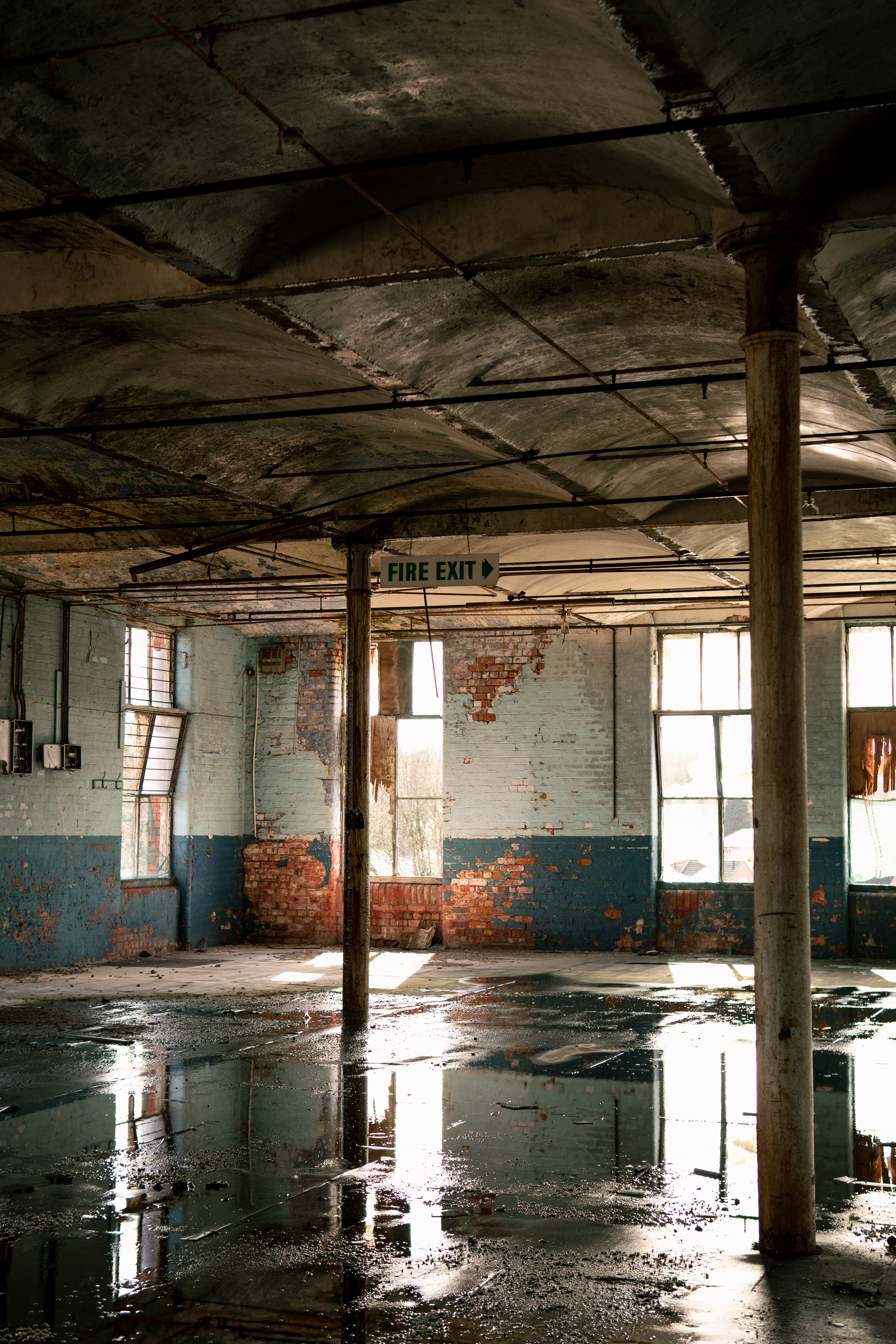
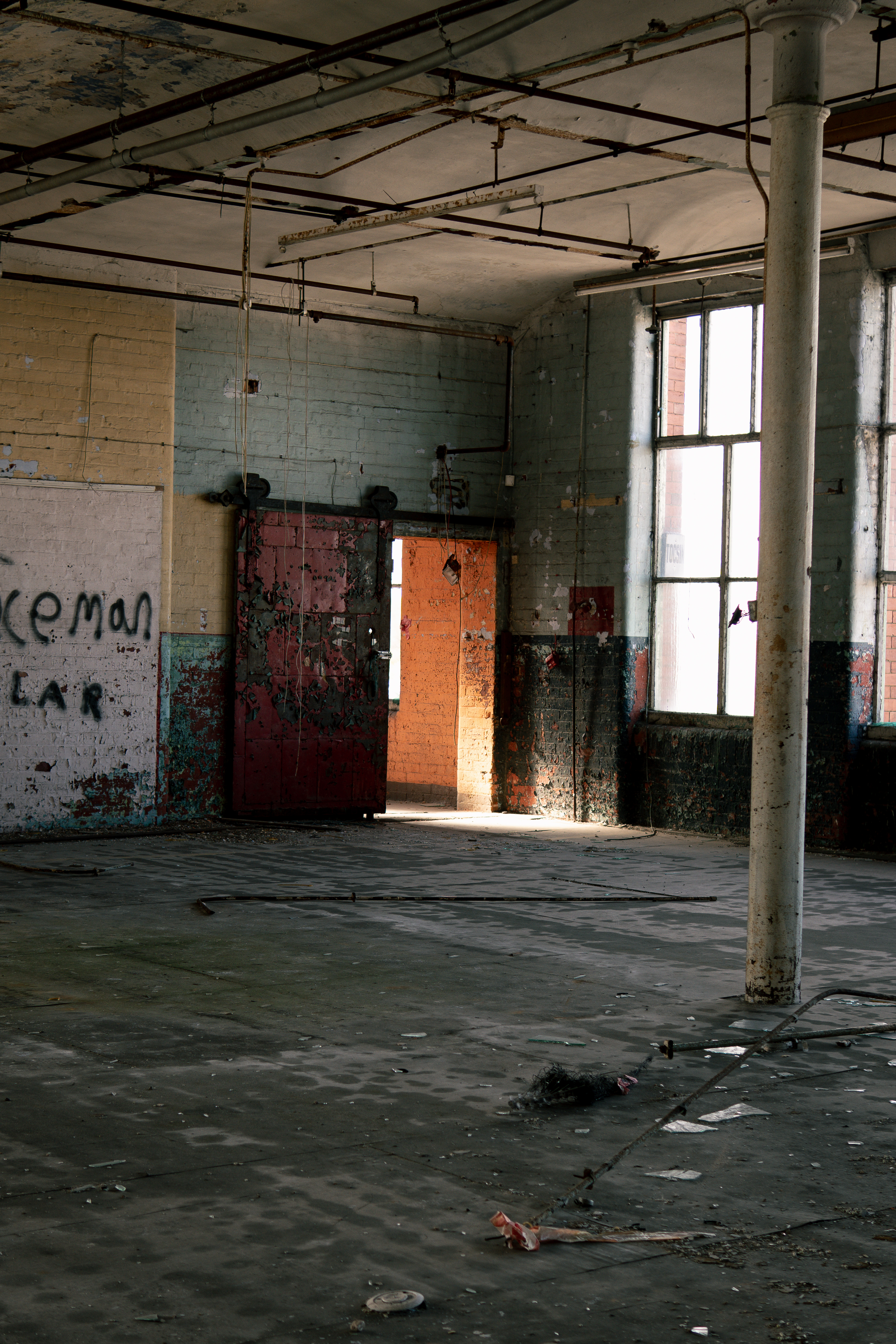
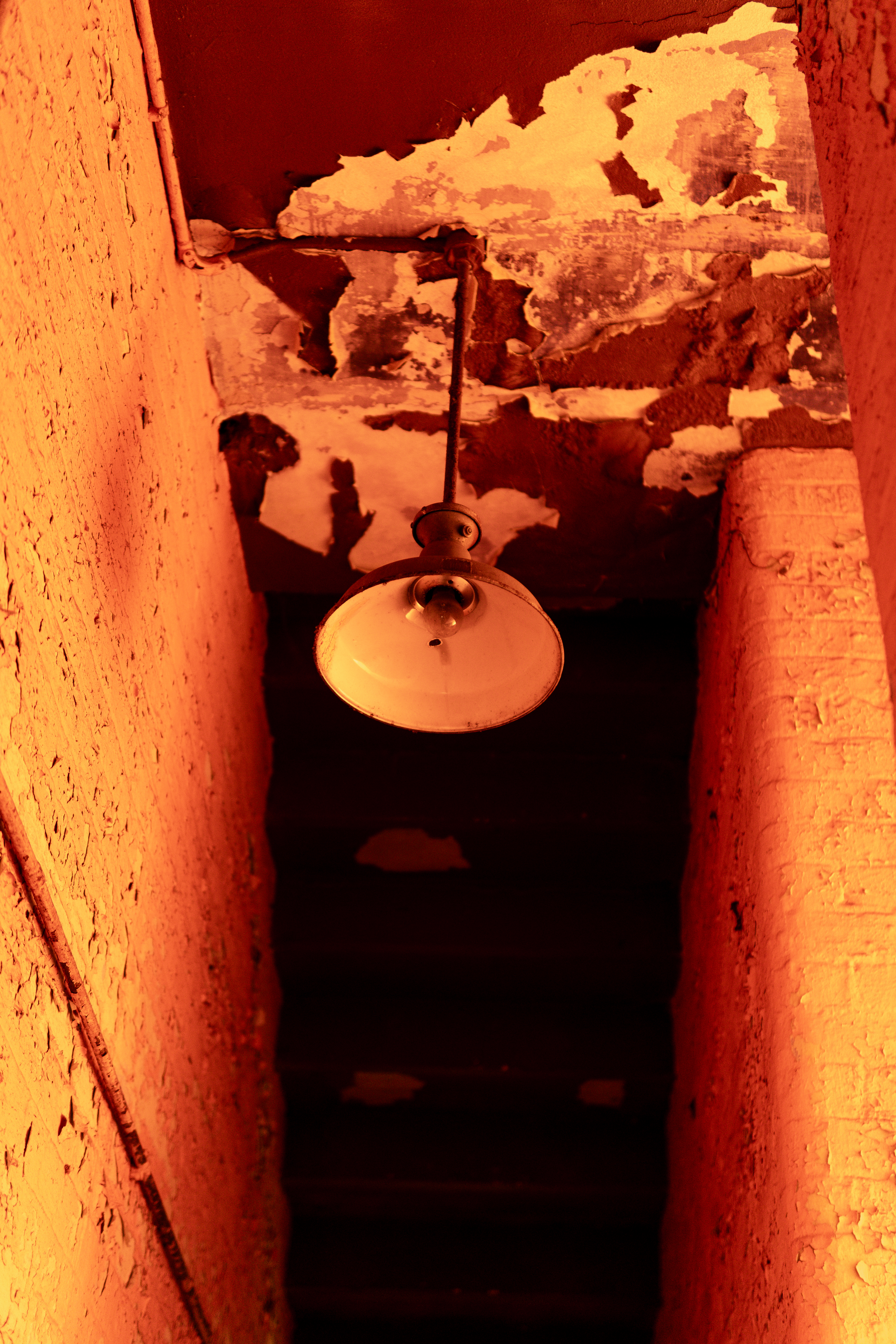

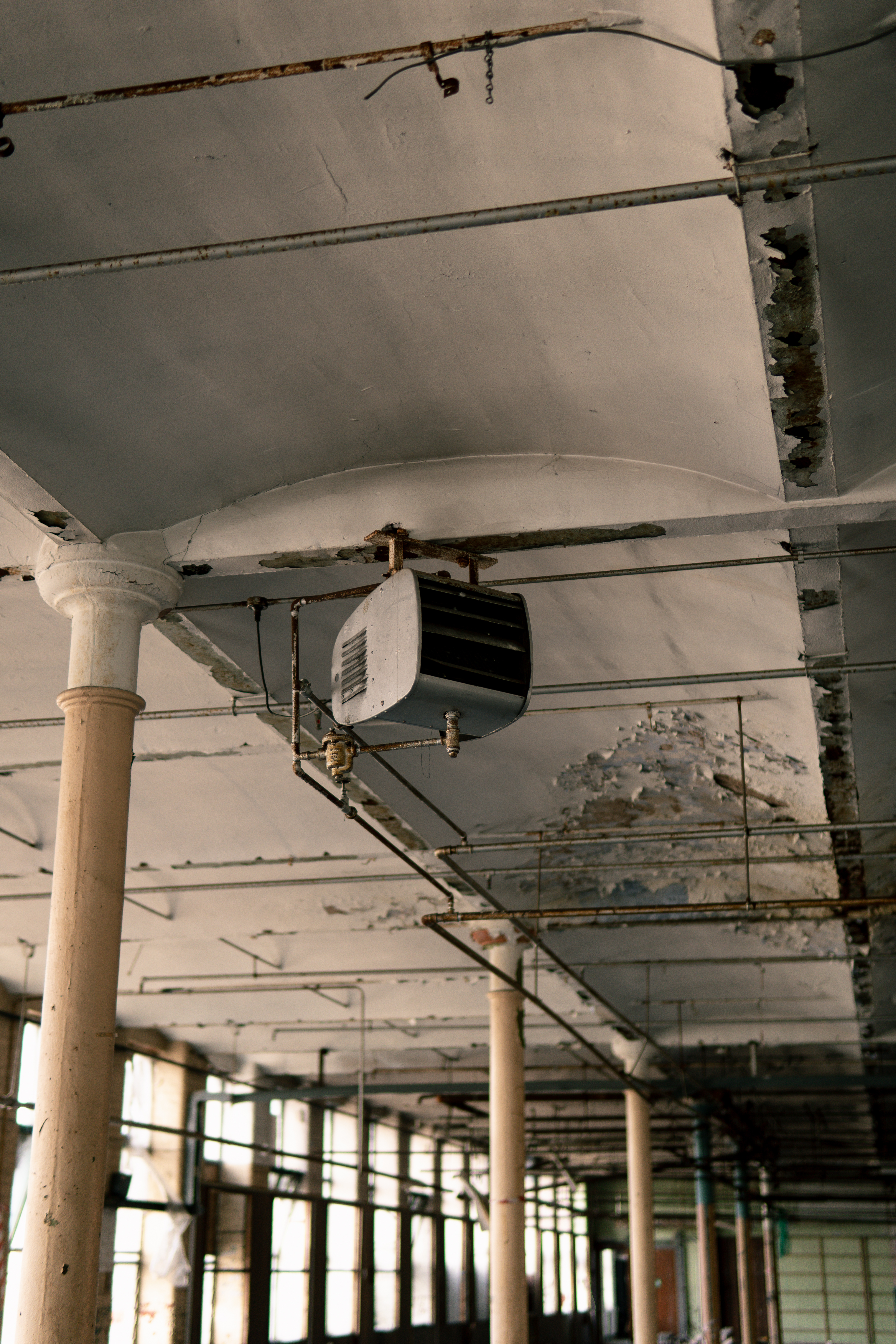
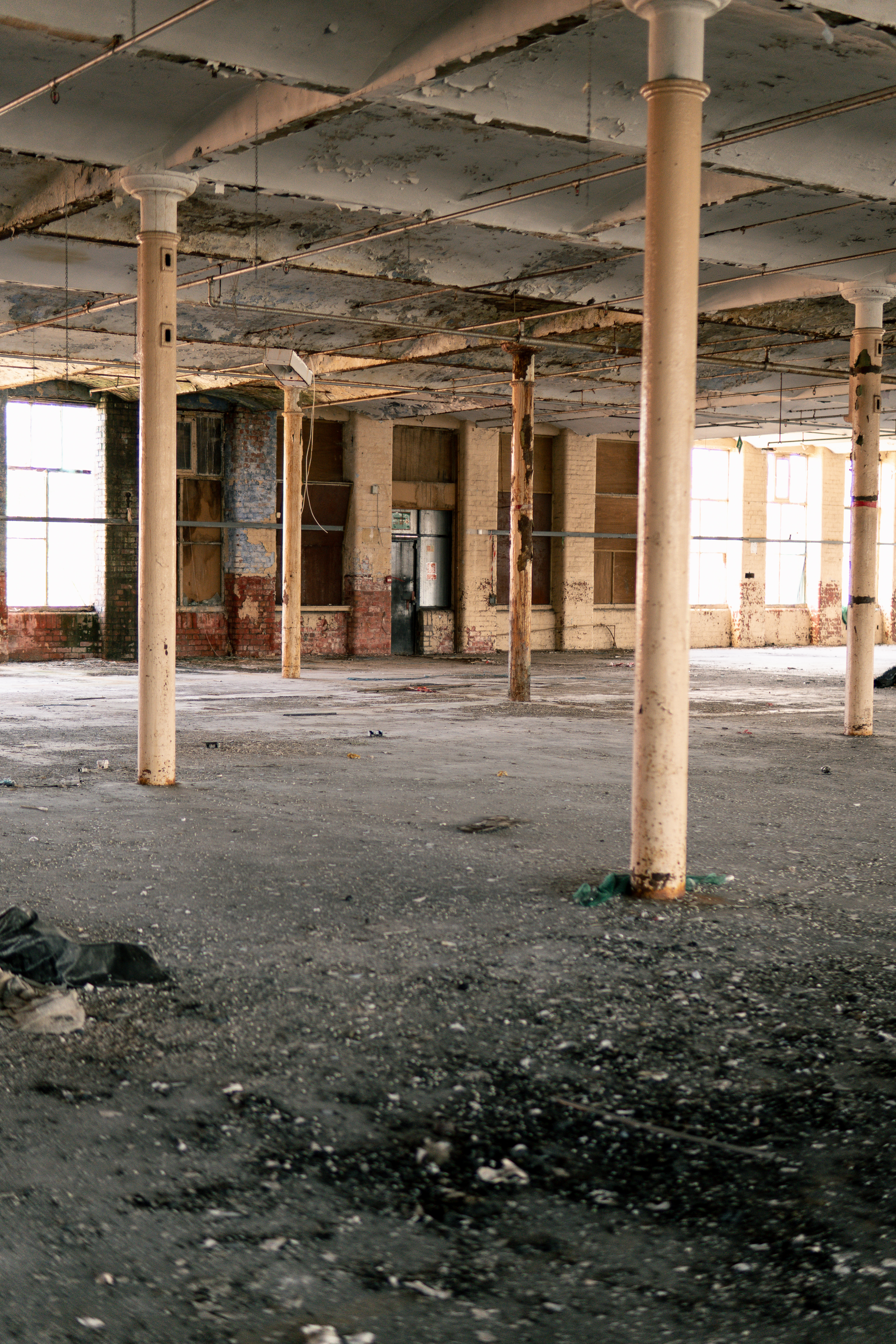
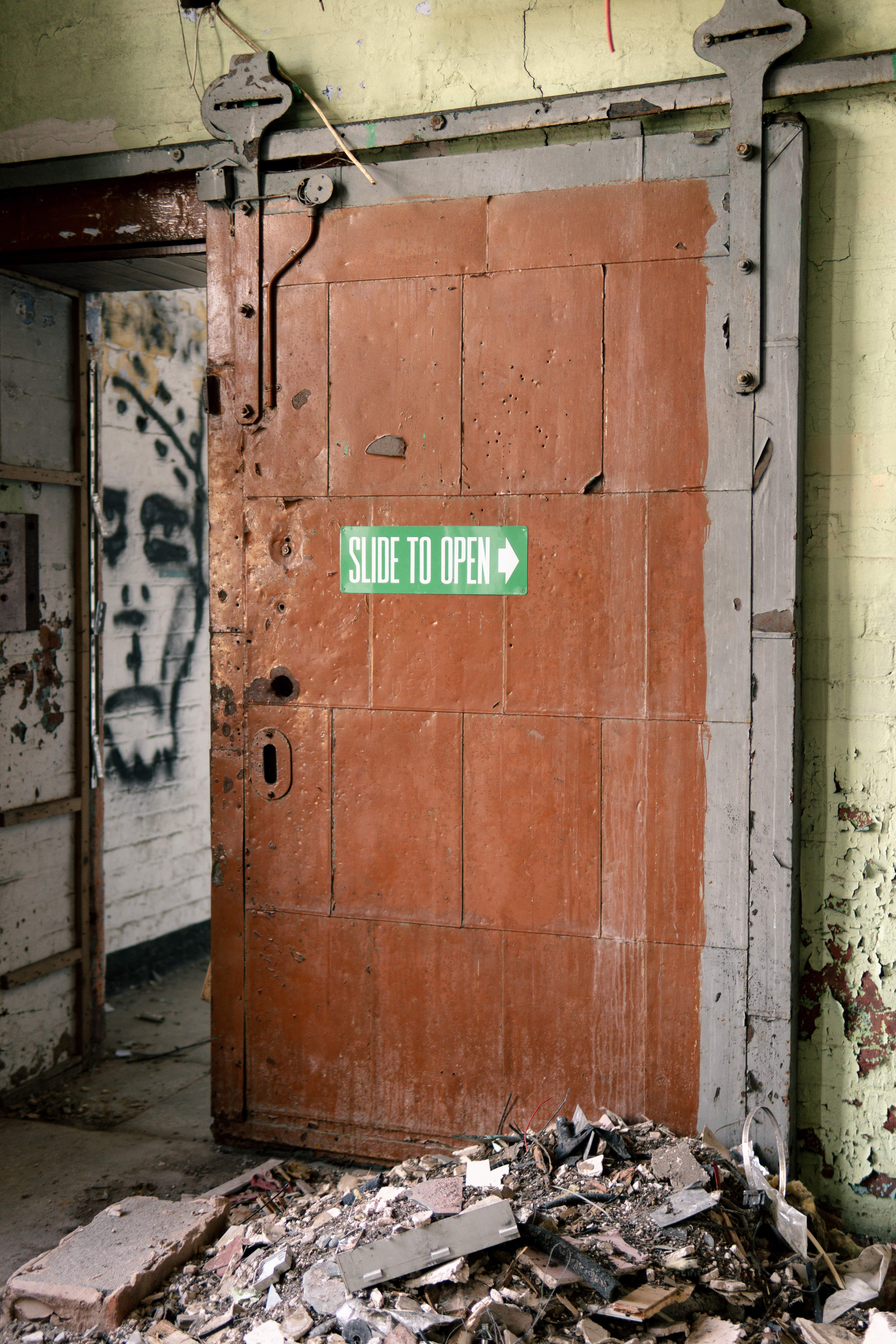
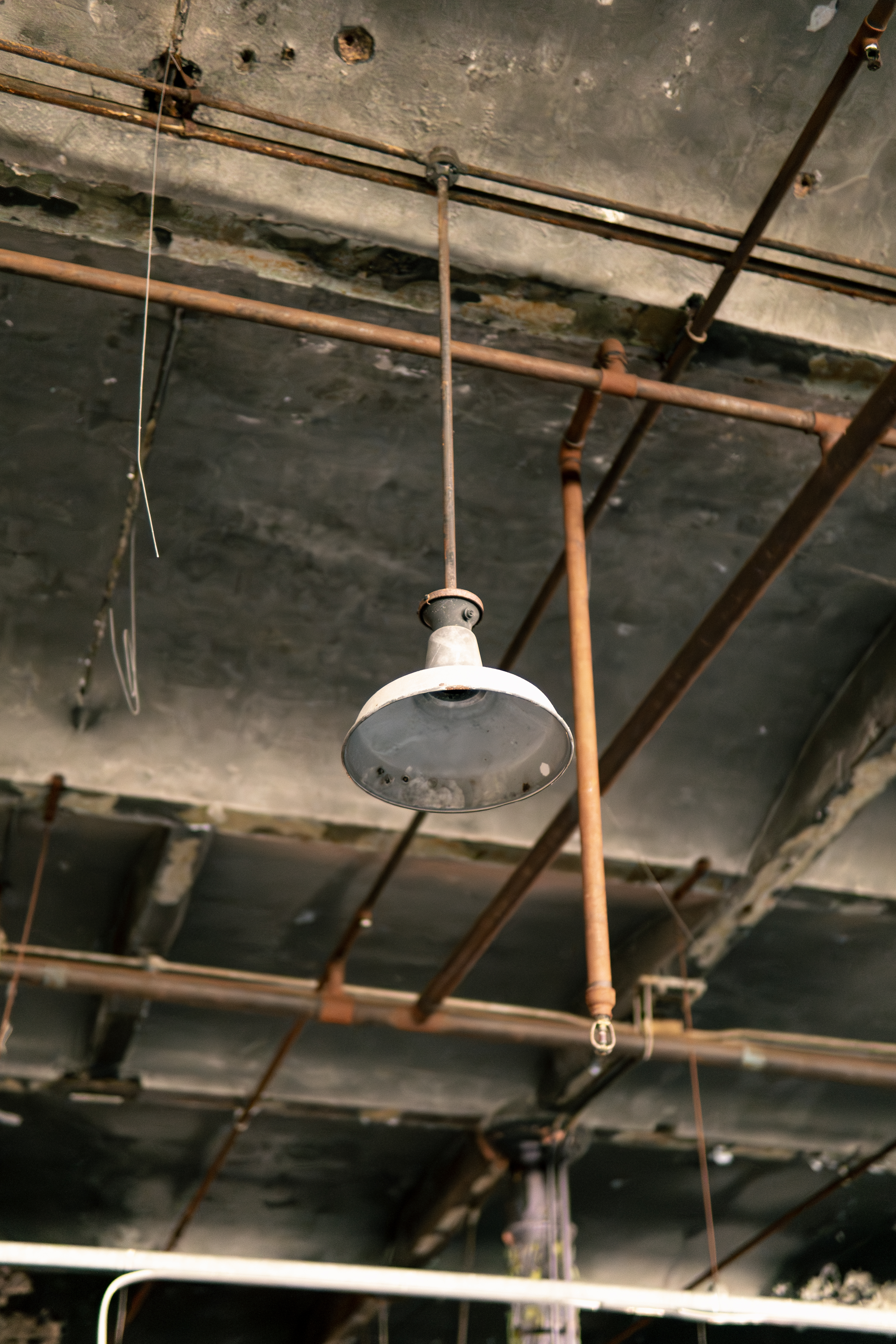
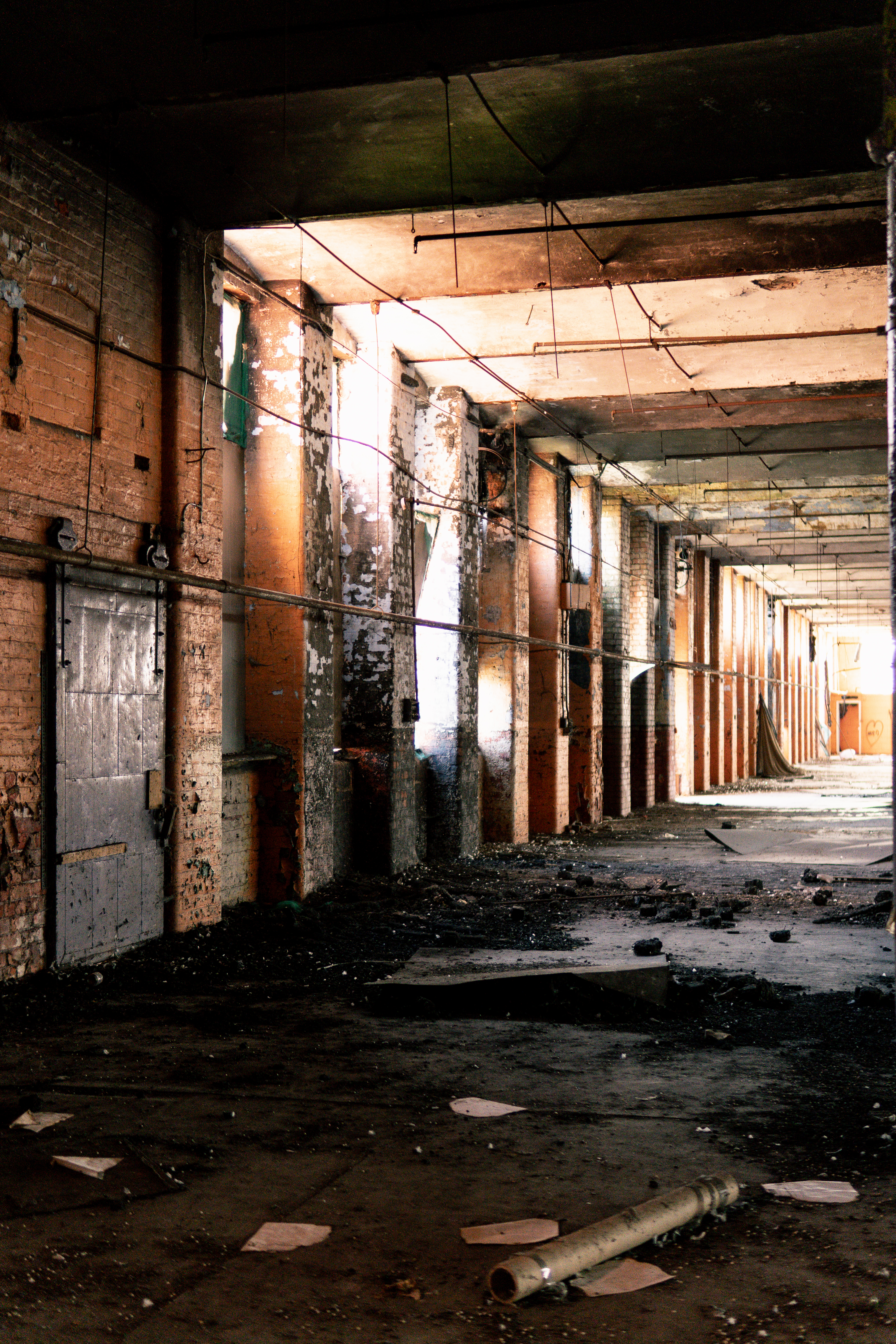
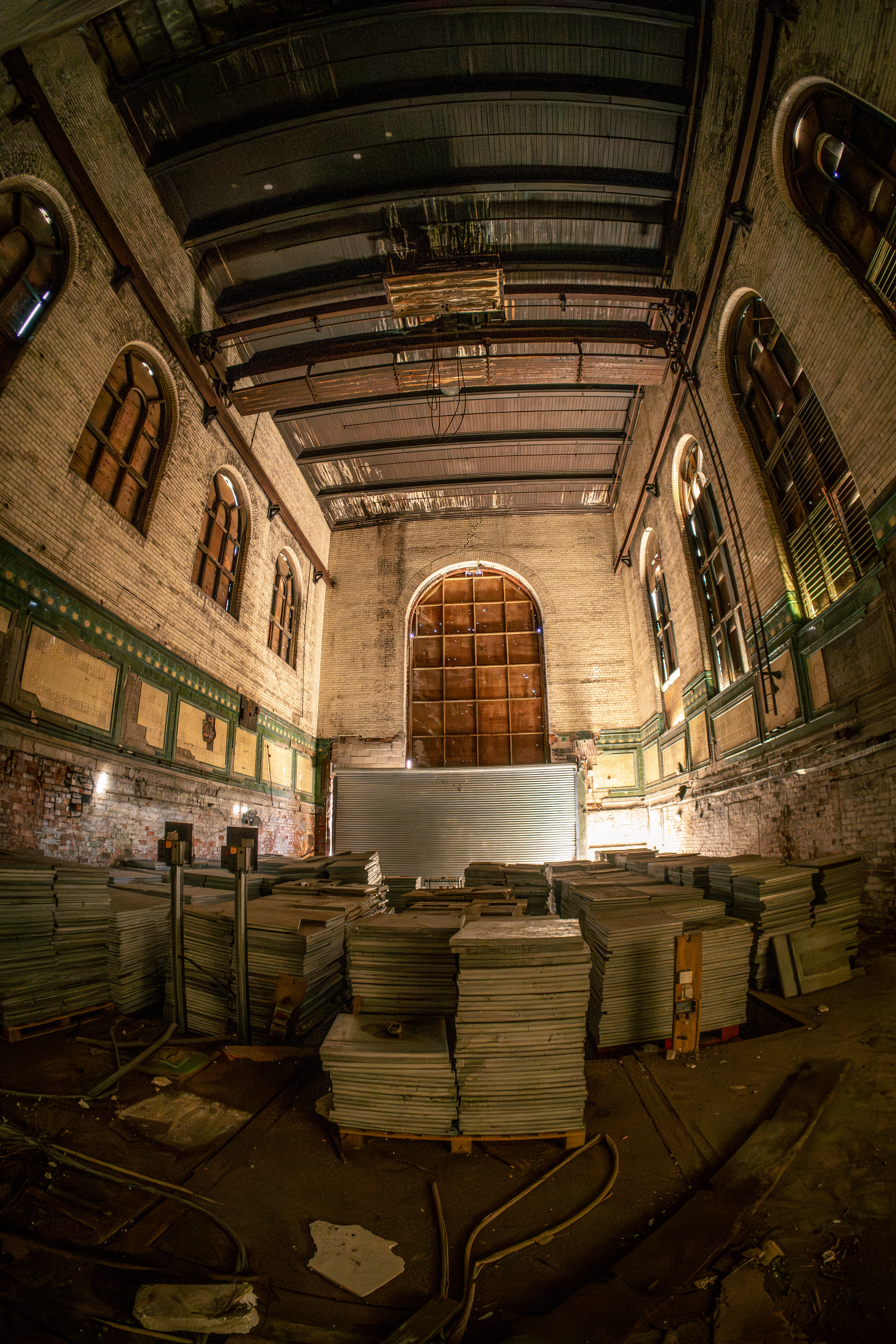
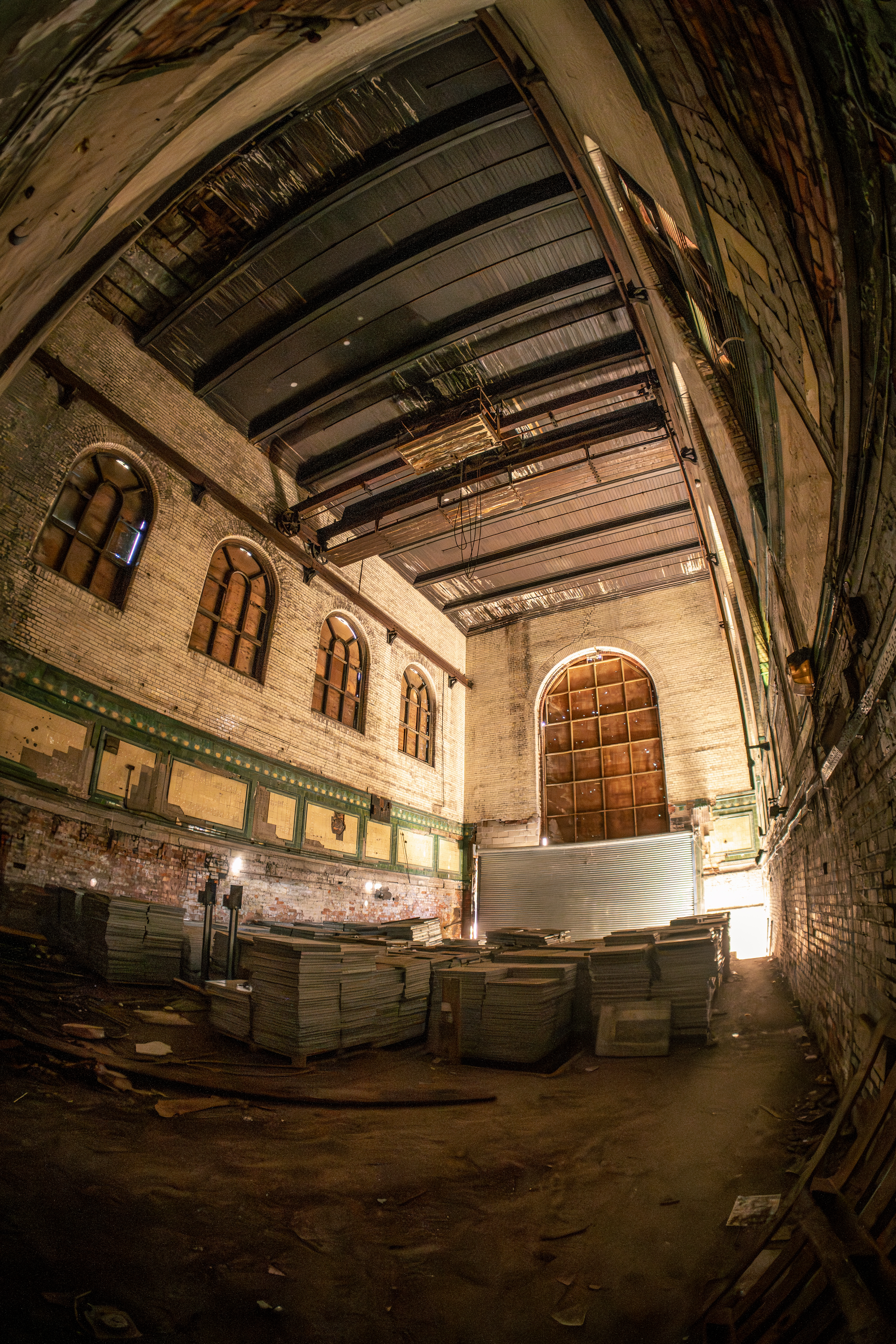
Warwick Mill in Middleton stands as one of the most imposing survivals of the town’s industrial past, reflecting both the scale of the north-west’s late cotton boom and the central role that textile manufacture once played in shaping Middleton’s urban and economic identity. The mill emerged during the final great phase of mill construction in the early twentieth century, when Middleton, like neighbouring Oldham and Rochdale, was still expanding as part of the wider spinning and weaving economy of the region. Built in 1907 as a cotton mill, Warwick belonged to a generation of industrial buildings that combined advanced production requirements with a striking civic presence, embodying the confidence and ambition of a mature textile industry at its height.
Architecturally, the building is distinguished by a scale and monumentality that set it apart from more modest local industrial premises, and it remains a highly visible landmark within Middleton’s townscape. Its long, rectangular form, robust brick construction and strongly articulated vertical elements give it the characteristic presence of an Edwardian spinning mill, while its surviving water tower and engine-house composition contribute to the powerful silhouette for which the structure is particularly noted. Unlike earlier valley-based or water-powered sites, Warwick Mill belongs firmly to the urban-industrial tradition, designed not in response to topography or stream power but as part of a mechanised, steam-powered manufacturing landscape closely tied to transport, labour supply and the dense built fabric of an expanding mill town. Its listed status reflects both its architectural significance and its importance as a representative example of the industrial form that once dominated much of what is now Greater Manchester.
Like many former cotton mills in the area, Warwick experienced a comparatively short period of industrial prosperity before the contraction of the textile sector in the mid-twentieth century brought about its decline. Although built at a moment of confidence, it was ultimately overtaken by the wider structural difficulties that affected the cotton industry across the region, including foreign competition, changing markets and the long-term collapse of mass spinning in the decades after the First World War. By the later twentieth century, the building had lost its original manufacturing role, and despite intermittent proposals for reuse and redevelopment, it became increasingly detached from the productive economy that had first given it purpose. This long period of underuse has, paradoxically, strengthened its symbolic importance within the town, where it has come to represent not only Middleton’s industrial inheritance but also the unresolved challenge of how such large former mill buildings might be meaningfully reintegrated into contemporary urban life.
Today, although no longer functioning as a place of manufacture, Warwick Mill retains a remarkable ability to convey the industrial character of Middleton’s past. Its scale, surviving fabric and commanding position continue to evoke the period in which textile production defined the rhythms of everyday life and the physical structure of the town itself. As redevelopment proposals begin to shape its future, the mill remains an important and evocative historic structure: at once a relic of the region’s cotton age and a prominent reminder of the enduring presence of industry within Middleton’s built environment.